Nusa Penida vs Nusa Lembongan: Which Bali Satellite Island Fits Your Trip
This guide focuses on comparing Nusa Penida and Nusa Lembongan specifically for travelers trying to decide between a dramatic cliff-and-viewpoint day trip and a slower, multi-night island stay just off Bali’s southeast coast. Both islands sit within sight of each other across the Badung Strait, but the experience of visiting each one is different enough that picking the wrong one for your travel style can mean a long, bumpy day for little payoff, or a relaxing stay that skips the postcard viewpoints entirely.
Geography and How to Get There
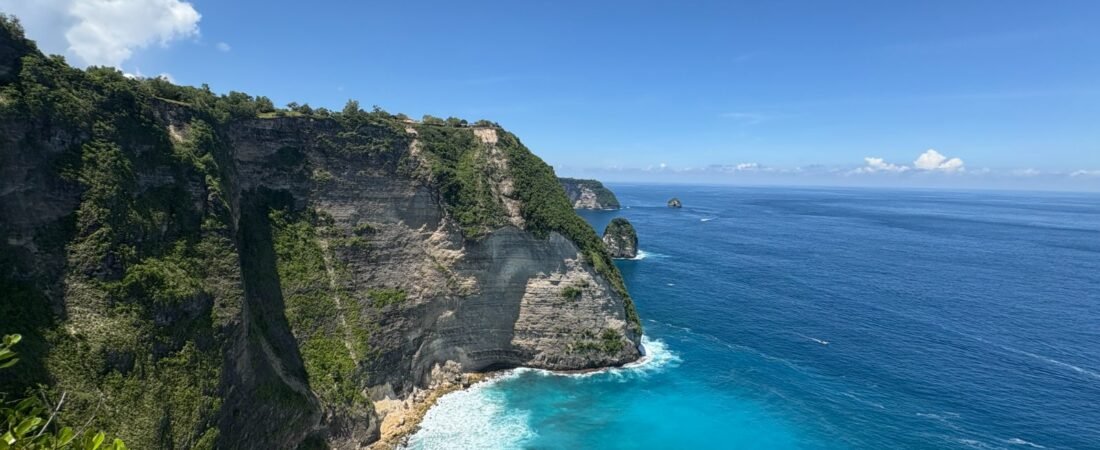
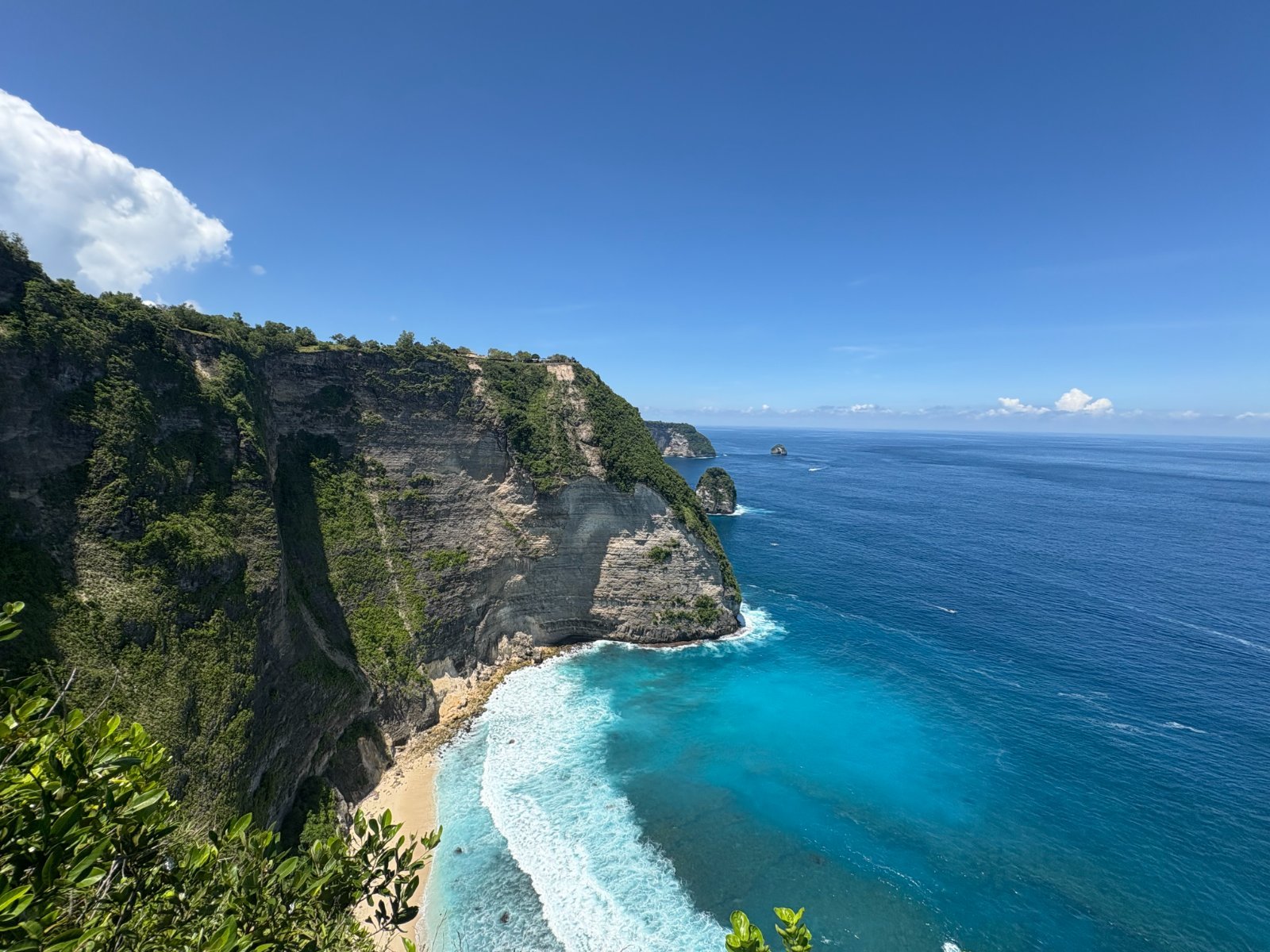
Nusa Penida is the largest of the three Nusa islands and sits roughly 30 to 45 minutes by fast boat from Sanur, on Bali’s southeast coast. Its coastline is defined by tall limestone cliffs, which is why its most photographed spots, Kelingking, Angel’s Billabong and Broken Beach, all involve a viewpoint above the water rather than a beach you walk straight onto. Roads inland are narrow, steep and still being upgraded in places, so most day-trippers hire a driver or join a tour rather than ride a scooter themselves.
Nusa Lembongan and its smaller neighbor Nusa Ceningan are a separate, shorter boat ride from Sanur, around 30 minutes, and are flatter and easier to get around on foot or scooter. Lembongan’s harbor towns, Jungutbatu and Mushroom Bay, have grown into a compact strip of guesthouses, beach clubs and dive shops, which makes it a far easier base for a multi-night stay than Penida.
Nusa Penida: Dramatic Cliffs and Viewpoints
Penida’s reputation rests almost entirely on its viewpoints. Kelingking Beach’s T-Rex-shaped headland is the island’s most recognizable image, Angel’s Billabong is a natural tidal pool that is only safe to enter when the sea is calm, and Broken Beach is a collapsed sea cave you view from above rather than swim in. These sites are spread across the island, so seeing the main western loop in a single day means several hours in a car on rough roads, which is the main reason many visitors treat Penida as a day trip from Sanur rather than a place to sleep.
Snorkeling and diving around Penida’s western and southern points, including Crystal Bay and Manta Point, is a separate draw, with manta ray sightings possible for most of the year at Manta Point specifically. The island’s interior also holds Goa Giri Putri, a large cave temple, and the Thousand Islands viewpoint on the eastern side, which sees far fewer visitors than the western cliffs despite similarly striking views over the coastline below.
Nusa Lembongan: Easier Living and a Calmer Pace
Lembongan trades Penida’s cliff drama for an easier, more livable layout. Devil’s Tears is its answer to a dramatic blowhole viewpoint, Dream Beach and Mushroom Bay offer actual swimmable sand, and the shallow channel between Lembongan and Ceningan is walkable across the yellow bridge, making island-hopping between the two simple without a boat. Surf breaks on the east side and calmer snorkeling on the west side give Lembongan a split personality that suits both longer stays and shorter visits.
Because Lembongan has a denser cluster of places to stay, eat and dive from, it works better than Penida as a base for a multi-night trip, including day trips back out to Penida’s viewpoints if you want both experiences. Seaweed farming is still visible along Lembongan’s shallow coastline at low tide, a reminder that the island’s economy only shifted toward tourism relatively recently, and several operators now run short mangrove kayak tours through the channel near Jungutbatu as a quieter alternative to the busier beach clubs.
Nusa Penida vs Nusa Lembongan at a Glance
| Factor | Nusa Penida | Nusa Lembongan |
|---|---|---|
| Best for | Cliff viewpoints and photography | Relaxed multi-night stays |
| Boat time from Sanur | About 30 to 45 minutes | About 30 minutes |
| Getting around | Car and driver recommended | Scooter or on foot |
| Typical stay length | Day trip, or 1 to 2 nights | 2 to 5 nights |
| Swimmable beaches | Limited; mostly viewpoints | Several, including Dream Beach |
| Diving and snorkeling draw | Manta Point, Crystal Bay | Easier access, calmer sites |
Sample Itineraries and What to Budget
A one-day Nusa Penida itinerary from Sanur typically starts with an early fast-boat departure, around 7:30 or 8:00 a.m., followed by a full day covering the western loop: Kelingking Beach first for the clearest light and smallest crowds, then Angel’s Billabong and Broken Beach before lunch, and Crystal Bay in the afternoon if time and tide allow a swim. Expect to pay for a return boat ticket, a full-day driver with car, and entrance fees at a handful of viewpoints that are managed by local communities. Budget travelers can expect a moderate daily cost for the boat and driver combined, while private charters and photography-focused tours cost more.
A Nusa Lembongan stay works better spread across two or three days: one day for Devil’s Tears, Dream Beach and the yellow bridge crossing into Nusa Ceningan, a second day for diving or snorkeling trips out toward Penida’s Manta Point and Crystal Bay, and a slower third day around Mushroom Bay for swimming and beach clubs. Because accommodation, food and scooter rental are all cheaper and more concentrated on Lembongan than on Penida, a multi-night stay there tends to cost less per day than repeated day trips from mainland Bali.
A combined itinerary that many travelers use is to base themselves on Lembongan for three or four nights and take a single day-trip boat across to Penida for the cliff viewpoints, rather than trying to see both islands properly from a Bali hotel. This cuts down on repeated boat crossings and lets you start the Penida day earlier, which matters most at Kelingking Beach, where the viewpoint gets crowded and hazy with heat by late morning.
Best Time to Visit Both Islands
The dry season, roughly April through October, gives the calmest seas for the boat crossing from Sanur and the safest conditions at Penida’s tidal viewpoints like Angel’s Billabong, which can be dangerous to approach when swells are high. The wet season, November through March, brings a higher chance of cancelled or delayed boat crossings, so build a buffer day into your itinerary if you are visiting outside the dry months, and avoid scheduling an onward international flight for the same evening as your return crossing. Manta ray sightings at Penida’s Manta Point are reported through most of the year, though sightings are not guaranteed on any single visit.
Where to Stay on Each Island
Lembongan has the wider range of accommodation, from simple guesthouses near Jungutbatu harbor to beach clubs and villas around Mushroom Bay, which is why most people who want a comfortable multi-night base choose Lembongan over Penida. Penida’s accommodation has expanded quickly in recent years around Crystal Bay and Toyapakeh, but roads connecting those areas to the main viewpoints are still rough, so factor in travel time even when staying overnight on the island itself.
For a full look at day-trip logistics specifically, see our Nusa Penida day trip guide from Bali, and for another pair of islands with a similar day-trip-versus-stay decision, compare our Similan vs Surin Islands guide.
Wherever you stay, book fast-boat tickets a day or two ahead during the July to September peak season, when the busiest morning departures from Sanur can sell out. Most boat operators allow a change of return time if your plans shift, but same-day walk-up tickets are not guaranteed, especially on weekends when day-trippers from mainland Bali fill the early crossings. If you are prone to seasickness, choose a mid-morning departure once the wind has settled rather than the very first boat of the day.
Frequently Asked Questions
Can I visit Nusa Penida and Nusa Lembongan in one day?
It is possible but tight. Most operators run separate fast-boat routes to each island from Sanur, and combining both in a single day usually means seeing only one or two highlights on Penida and a quick stop on Lembongan. A calmer approach is a full day on Penida and a separate overnight stay on Lembongan.
Which island is better for a honeymoon?
Nusa Lembongan generally suits couples better for multi-night stays thanks to its beach clubs and calmer pace, while Nusa Penida is better treated as a dramatic day excursion from a Lembongan or Bali base.
Do I need a 4WD or driver on Nusa Penida?
Most visitors hire a local driver rather than self-ride a scooter, since the roads to Kelingking, Angel’s Billabong and Broken Beach are steep, narrow and in parts unpaved.
Is the boat crossing rough?
The Badung Strait crossing can be choppy, especially outside the April to October dry season. Sitting toward the back of the boat and choosing an early morning departure generally gives a smoother ride.
Can I walk between Nusa Lembongan and Nusa Ceningan?
Yes. A yellow suspension bridge connects the two islands, so you can walk, scooter or cycle across without arranging a separate boat.
Both islands reward different trip styles rather than one being objectively better: Nusa Penida for the cliffs and viewpoints that fill a camera roll, Nusa Lembongan for the easier pace that fills the rest of a Bali itinerary. Travelers short on time often regret trying to cram both islands into a single rushed day more than they regret picking just one and seeing it properly, so weigh how much of your trip you actually want to spend in transit before booking boat tickets. Explore more of our island destination comparisons or browse the wider Bali region guide before booking.
Sources: Wikipedia: Nusa Penida, Wikipedia: Nusa Lembongan, Wonderful Indonesia: Nusa Islands guide.