7 Best Things to Do on Kerama Islands 2026
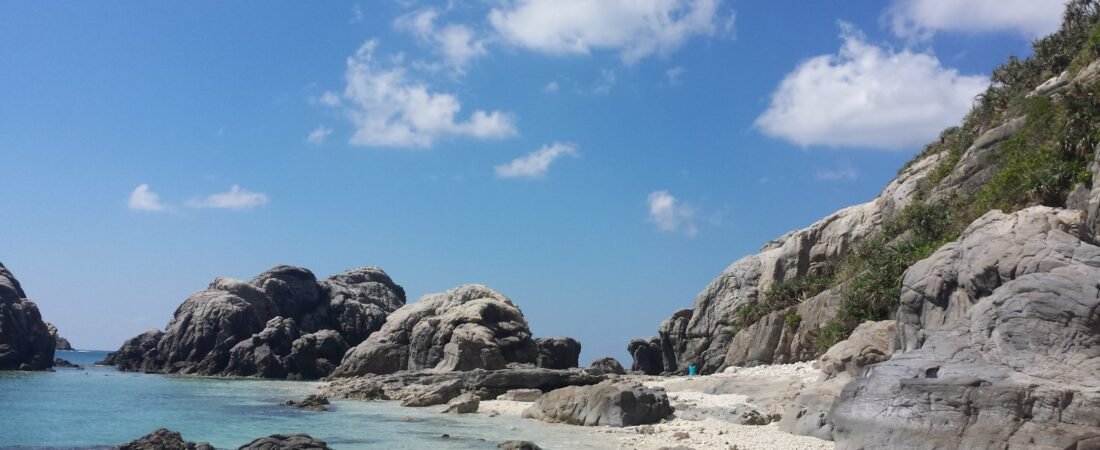
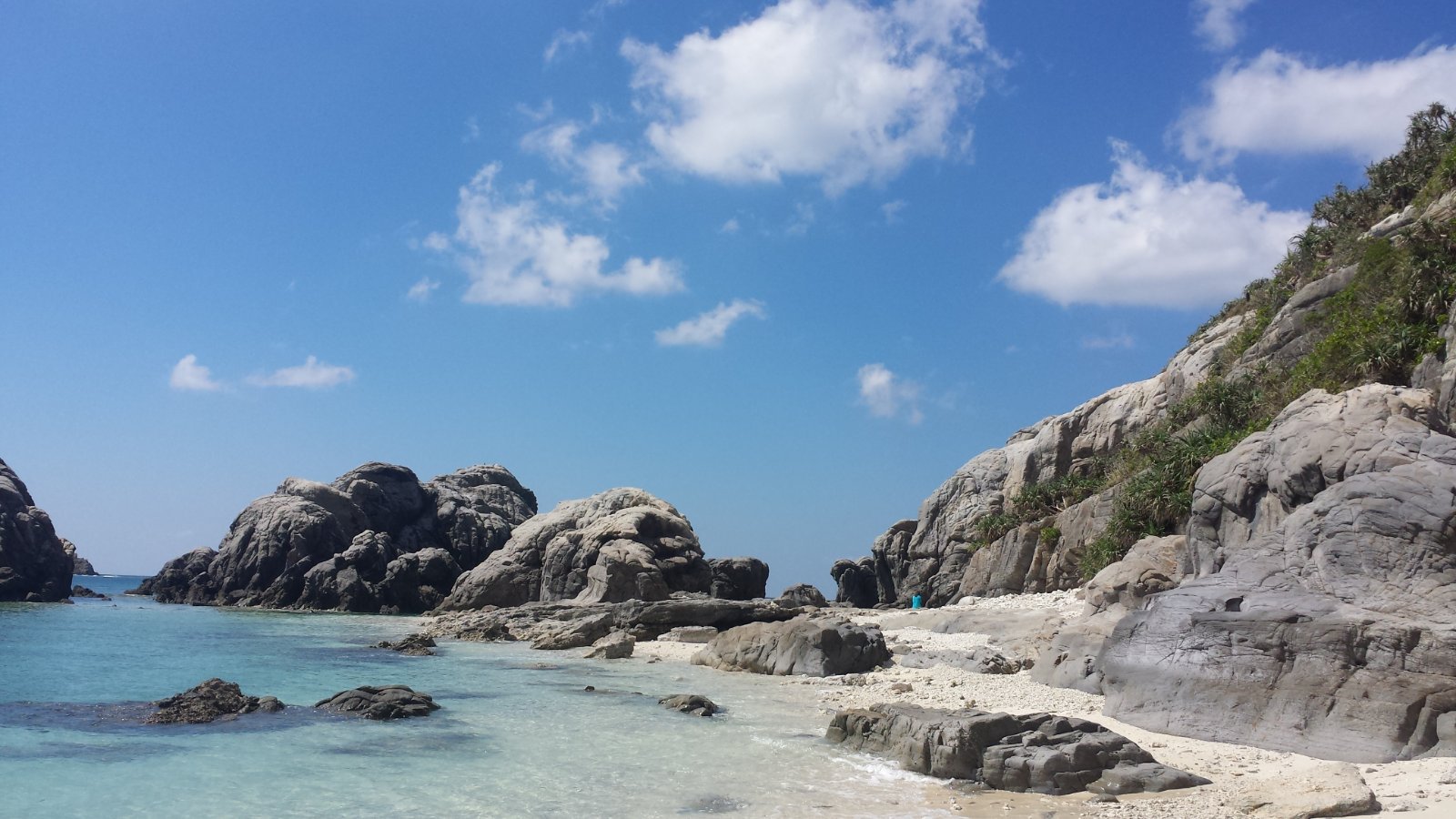
Illustrative photograph of the Kerama Islands, Okinawa.
This guide focuses on the Kerama Islands specifically for travelers basing themselves in Naha who want the best single-day and overnight activities across Zamami, Tokashiki, Aka, and Geruma without wasting a short visit on the wrong beach or the wrong ferry connection. The Kerama Shoto National Park sits about 30 kilometers west of Naha and is known for “Kerama blue,” some of the clearest water in Japan. Below are the seven activities worth prioritizing in 2026, plus a quick reference table and the questions readers ask most before booking. Most trips combine at least three of these seven activities without feeling rushed, which is part of what makes the Kerama Islands such an efficient add-on to a longer Okinawa itinerary.
1. Snorkel at Furuzamami Beach, Zamami
Furuzamami Beach on Zamami is the single most reliable snorkel spot in the Kerama chain for visitors without their own boat, with calm, shallow water and visible reef fish just a short swim from the sand. Gear rental shops sit right at the beach entrance, and the shallow shelf means even nervous swimmers can see coral without venturing far out. Our Zamami Island travel guide covers ferry times and where to stay if you want to base here rather than day-trip. Shops near the port in Zamami village can usually arrange last-minute rentals if you arrive without having booked gear ahead of time.
The beach stays relatively uncrowded even in peak season compared to resort beaches on the Okinawa main island, partly because reaching it requires the extra ferry step that filters out more casual day-trippers.
2. Whale Watching from Zamami or Tokashiki (January to March)
Humpback whales migrate through Kerama waters every winter, and half-day whale-watching boats depart from both Zamami and Tokashiki during the January-to-March season. Morning departures generally see calmer water and better sighting odds, and most operators offer a partial refund or a second attempt if no whales are spotted on a given outing, though this varies by company and is worth confirming at booking.
Operators typically run two to three departures a day during whale season, and booking the morning slot a few days ahead is sensible since boats are small and fill up quickly on clear-weather days. Seasickness is a real consideration on these boats for anyone prone to it, since open-water swells can be noticeable even when the surface looks calm from shore, so travelers who know they’re sensitive should consider medication in advance rather than relying on it being available on board.
3. Swim at Aharen Beach, Tokashiki
Aharen Beach on Tokashiki Island is arguably the easiest Kerama beach to reach, since Tokashiki sits closest to Naha by ferry, and it has a longer stretch of sand than Zamami’s main beaches, which makes it a good pick for travelers who want more room to spread out. An observation deck above the beach gives a wide view of the coastline and neighboring islets, and it’s a worthwhile short detour even for visitors who’ve already had their swim.
A handful of beachside rental shops near Aharen offer kayaks and stand-up paddleboards in addition to standard snorkel gear, and the beach’s gentler slope makes it a more comfortable option than Furuzamami for less confident swimmers or families with younger children.
4. Dive with Sea Turtles near Aka and Geruma
The reef sites around Aka and Geruma, two smaller islands connected to each other by a bridge and reachable via Zamami, see regular sea turtle traffic and are popular with dive shops running beginner-friendly boat dives. Both islands have minimal tourist infrastructure of their own, so most visitors arrange the dive through an operator based on Zamami rather than trying to arrange anything locally on Aka or Geruma directly.
Visibility around these sites commonly exceeds 20 meters on a calm day, and the turtles here are accustomed enough to boat traffic that close, respectful encounters are common rather than rare. Dive shops generally cap group sizes to keep the experience from feeling crowded, and advance booking by a day or two is recommended during the busier April-to-June and October-to-November windows.
5. Hike to Takatsukiyama Observatory, Zamami
A short, uphill walk from Zamami village leads to Takatsukiyama Observatory, which overlooks the harbor and the surrounding islets and is a favorite spot for sunset. The walk takes well under an hour round trip even at a relaxed pace, which makes it an easy addition to a day trip that already includes beach time, rather than requiring extra planning or special gear.
Sturdy sandals or light hiking shoes are enough for the walk, and the path is well marked from the village, so a guide isn’t necessary. Sunset is the busiest time at the top, but even then the observatory rarely feels crowded given how few overnight visitors Zamami gets compared to the main island’s resort areas.
6. Stargaze on Zamami or Aka
With minimal light pollution and clear skies for much of the year, the Kerama Islands are genuinely good for stargazing, and Zamami village has promoted the activity specifically, including occasional organized viewing events. Aka, with even less development than Zamami, can be even darker on a clear night for visitors staying overnight rather than day-tripping, though options for doing so are limited given how few guesthouses exist there.
No special equipment is needed beyond a flashlight for the walk back from a dark viewing spot, and checking a moon-phase calendar before choosing a date makes a bigger difference to how many stars are visible than almost anything else you can plan for.
7. Island-Hop by Ferry Between Zamami, Aka, and Geruma
Smaller local ferries and water taxis connect Zamami to Aka and Geruma, making a loose island-hopping day possible for travelers who want to see more than one island without committing to an overnight stay on any of the smaller, less developed ones. This works best with an early start, since the smaller inter-island ferries run on a more limited schedule than the main Naha-to-Zamami route and timing a return connection takes a bit of planning. This loop also works well in reverse, starting with Aka and Geruma in the morning before the midday crowd builds on Zamami.
Quick Reference
| Activity | Best Island | Best Season | Difficulty |
|---|---|---|---|
| Snorkeling | Zamami (Furuzamami Beach) | April–October | Easy |
| Whale watching | Zamami or Tokashiki | January–March | Easy (boat tour) |
| Beach swimming | Tokashiki (Aharen Beach) | May–September | Easy |
| Turtle diving | Aka / Geruma | Year-round | Moderate (certification may be required) |
| Island hopping | Zamami to Aka/Geruma | April–November | Moderate (requires planning) |
A loose plan with a built-in buffer works better than a tight schedule here, since weather and boat availability can shift the exact order of stops on short notice. Buffer at least thirty minutes for any inter-island connection. Travelers who’d rather not manage the logistics themselves can book a guided day tour out of Naha that bundles several of these stops together, trading a bit of flexibility for a simpler booking process.
Getting to the Kerama Islands
All Kerama ferries depart from Tomari Port in Naha. Zamami and Tokashiki both have direct high-speed and car ferry service, while Aka and Geruma are generally reached via Zamami rather than directly from Naha. Our Okinawa seasonal guide covers how typhoon season can affect these ferry schedules, which is worth checking before locking in a tight multi-island itinerary.
Planning Tips for a Kerama Islands Trip
Most of these activities can be combined into a single overnight trip rather than requiring separate visits: a common pattern is snorkeling and the observatory hike on day one, then a whale-watching or turtle-diving boat on day two before heading back to Naha. Travelers who prefer a resort base with easier logistics sometimes treat the Kerama Islands purely as a day-trip add-on instead; our guide to Okinawa’s best luxury resorts and our Okinawa honeymoon guide cover that main-island alternative in more detail.
Costs stay reasonable across the board: a whale-watching or diving boat typically runs a moderate fee that includes gear, snorkel rental at Furuzamami Beach is a small daily charge, and the ferries themselves are the main transport expense. Bringing cash is still the safer bet island to island, since even Zamami’s slightly larger tourist infrastructure doesn’t guarantee card acceptance everywhere, and Aka and Geruma have essentially no services to speak of beyond what a tour operator provides.
Frequently Asked Questions
How many days do I need for the Kerama Islands?
One full day covers the highlights on Zamami or Tokashiki alone, while two days allows time for a whale-watching or dive boat plus a relaxed beach day.
Which Kerama island is best for a day trip?
Tokashiki is the closest to Naha and the easiest single-day option, while Zamami offers more activities if you have a full day or an overnight to spare.
Can I visit Aka and Geruma directly from Naha?
Not usually. Most visitors reach Aka and Geruma via a connecting boat or tour arranged from Zamami rather than a direct ferry from Naha.
Is whale watching guaranteed in the Kerama Islands?
No sighting is guaranteed, but humpback whales are common in the January-to-March season and most operators report high sighting rates during peak weeks.
Do I need diving certification for the turtle dive sites?
Many shops offer beginner or introductory dives that don’t require certification, though a certified open-water dive typically allows more flexibility on depth and site choice.
For official park information and ferry updates, see the Ministry of the Environment’s Kerama Shoto National Park site, the Japan National Tourism Organization’s Okinawa page, and the Okinawa Convention and Visitors Bureau.