Best Time to Visit Okinawa 2026
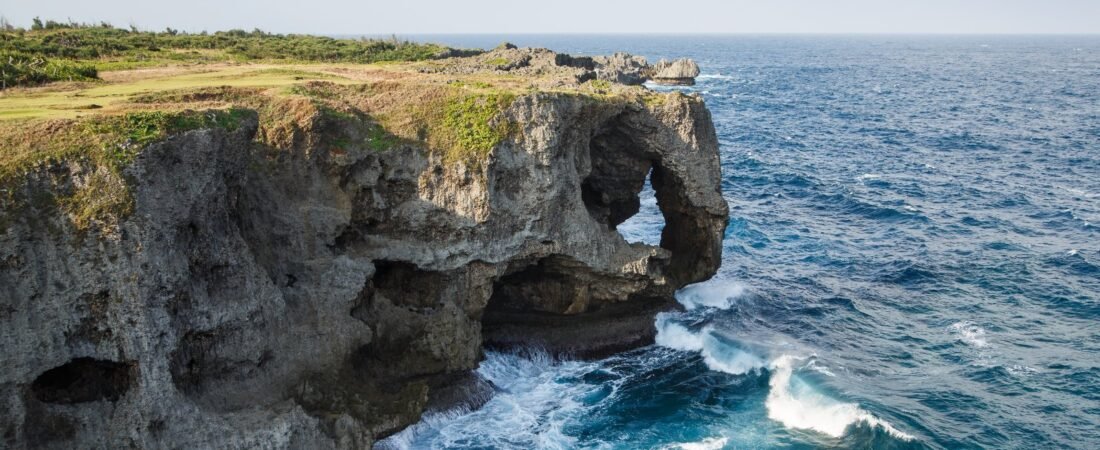
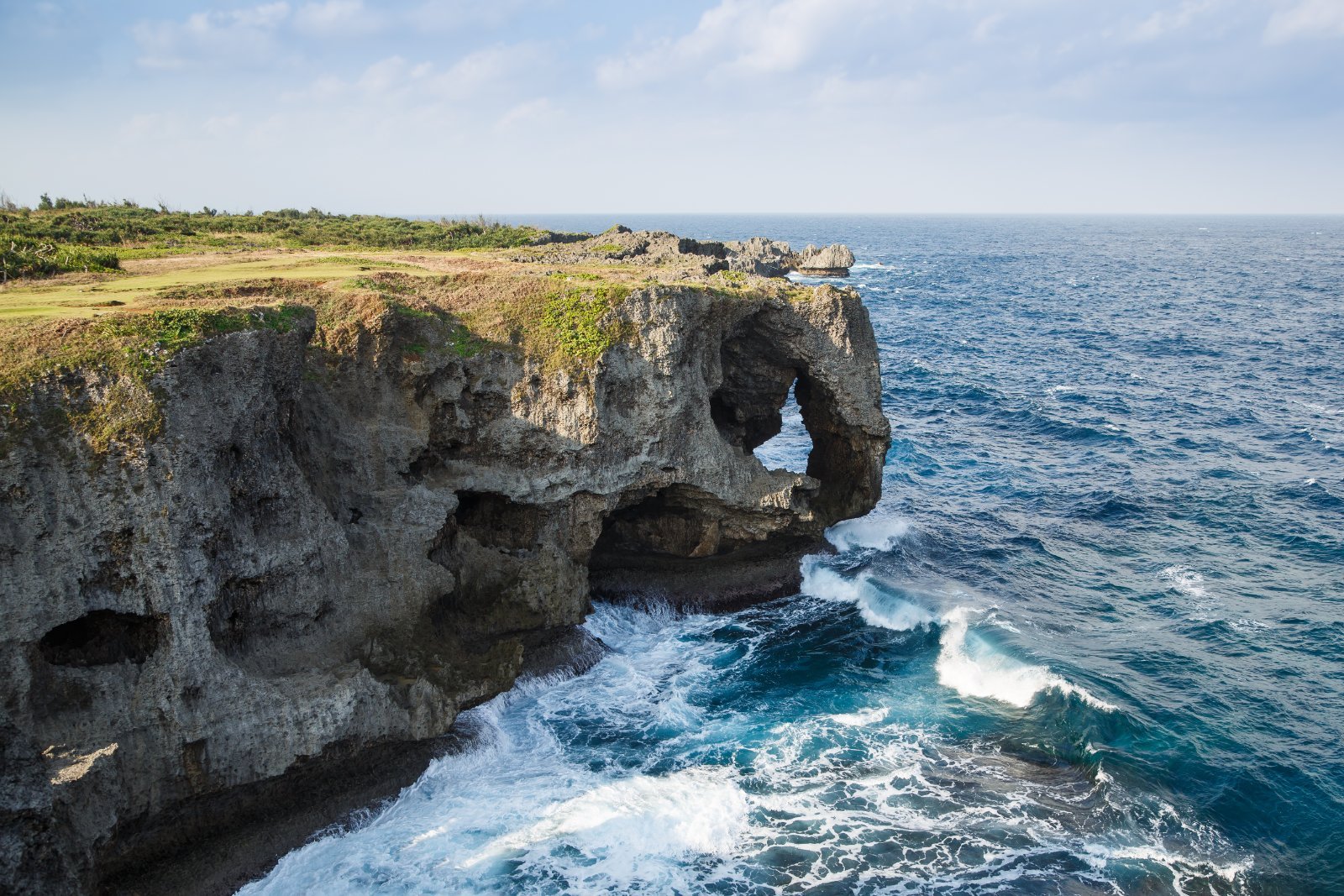
Illustrative photograph of Okinawa, Japan.
This guide focuses on when to visit Okinawa specifically for travelers trying to balance comfortable beach weather, whale watching season, diving visibility, and typhoon risk, since Okinawa’s subtropical climate shifts more by month than most of mainland Japan. Below is a month-by-month breakdown, a quick comparison table by activity, and answers to the timing questions readers ask most before booking flights for 2026, whether the priority is calm seas for diving, a quiet beach without summer crowds, or simply the lowest airfare of the year.
Okinawa’s Climate at a Glance
Okinawa sits in a subtropical zone, which means winters are mild compared to mainland Japan and summers are hot, humid, and occasionally interrupted by typhoons. Water temperatures stay swimmable for most of the year, rarely dropping below 20°C even in January, which is part of why the islands draw divers year-round. Rainfall is heaviest during the May-to-June rainy season and again during the peak of typhoon season from August through October, while the driest, sunniest stretch generally falls between March and early June.
It’s also worth noting that “Okinawa” covers a wide latitude range, and timing advice shifts depending on which island you mean. The main island around Naha sits further north and cools down noticeably more in winter than Ishigaki or Miyako, which sit closer to Taiwan and stay swimmable with less of a wetsuit in January. Travelers splitting a trip between the main island and the southern islands sometimes find the weather gap between them larger than expected for destinations that look close together on a map; our Ishigaki vs Miyako comparison covers how those two compare on timing and conditions in more detail.
Spring (March to May): Best for Comfortable Weather
Spring offers some of the most comfortable conditions of the year, with daytime temperatures typically in the low-to-mid 20s Celsius and lower humidity than summer. Late May brings the start of the rainy season, so late March through late April is generally the sweet spot for travelers who want warm days without the muggiest conditions. Cherry blossoms bloom unusually early here, often in January and February rather than spring, which surprises visitors used to mainland Japan’s cherry blossom calendar.
Rainy Season (Late May to Mid-June)
Okinawa’s rainy season, locally called “tsuyu,” typically runs from mid-May to mid-June, several weeks ahead of mainland Japan’s rainy season. Rain tends to arrive in bursts rather than as a constant drizzle, so sunny mornings followed by afternoon downpours are common, and many travelers still manage beach time around the showers. Humidity climbs noticeably during this stretch, which is the main reason some visitors prefer to avoid late May entirely rather than risk a washed-out week, and indoor attractions like Churaumi Aquarium become a useful backup plan on wetter days.
Summer (June to August): Peak Beach Season and Crowds
June opens with the tail end of the rainy season before clearing into hot, sunny conditions by July. This is peak domestic tourist season, particularly around the Obon holiday in mid-August, which means higher accommodation prices and busier beaches on the main island. Water visibility for snorkeling and diving is generally good, though afternoon thunderstorms are common, and travelers should keep an eye on typhoon tracking even in June and July, since the season can start early.
Flight prices follow the same seasonal pattern as hotel rates: expect the highest fares and the earliest sell-outs around Golden Week in early May, the Obon holiday in mid-August, and the New Year period, while weekday flights in late January, February, and most of November tend to be both cheaper and easier to book on short notice. Booking six to eight weeks ahead is usually enough outside those peak windows, though domestic routes within Japan can still tighten up quickly once a specific date becomes popular on social media or featured in a travel show.
Typhoon Season (August to October): What to Know
Typhoon risk peaks from August through October, with September typically seeing the most direct hits on the Okinawa island chain. A direct typhoon can ground flights and cancel inter-island ferries for one to three days, so travelers visiting during this window should build flexibility into their itinerary and avoid booking non-refundable inter-island transport too tightly against their return flight. That said, not every week in this window sees a storm, and many travelers visit without incident; checking the Japan Meteorological Agency’s forecast a week out is the most reliable way to judge risk for specific travel dates, and travel insurance that covers weather delays is worth considering for trips booked in this window.
Families traveling with young children often lean toward late spring or early winter, when heat and humidity are lower and the risk of a typhoon forcing a schedule change is minimal, while divers chasing specific conditions, like manta ray season or peak coral visibility, may choose a narrower window regardless of crowds. Whichever season you land on, cross-checking against our Okinawa snorkeling spots guide can help confirm that your chosen dates line up with good conditions at the specific site you’re planning to visit.
Winter (December to February): Whale Watching and Fewer Crowds
Winter is Okinawa’s quiet season, with daytime temperatures still mild enough for light layers rather than heavy coats, and hotel rates noticeably lower than summer. This is also humpback whale season, running roughly January through March, with dedicated whale-watching boats operating from the main island and from Kerama islands like Zamami; our Zamami Island travel guide covers the ferry and booking details for that side trip. Water temperatures dip into the low 20s, which is still comfortable for a wetsuit dive but cooler than most visitors expect for swimming without one.
What to Pack by Season
For spring and summer, light breathable clothing, reef-safe sunscreen, and a rash guard for long snorkeling sessions cover most needs. Winter visitors should still pack a light jacket for evenings and early mornings, since trade winds can make 18°C feel cooler than it sounds, along with a wetsuit top if diving is on the itinerary. Anyone traveling during typhoon season should pack a portable charger and keep a digital copy of travel documents, in case a storm disrupts connectivity or forces a last-minute itinerary change.
Best Time to Visit by Activity
Different goals point to different months, which is why a single “best time to visit” answer rarely fits every traveler. The table below breaks down the ideal window by activity.
| Activity | Best Months | Notes |
|---|---|---|
| Snorkeling & diving | April–June, October–November | Warm water, good visibility, lighter crowds than midsummer |
| Whale watching | January–March | Humpback whales pass through Kerama waters |
| Beach swimming | June–September | Warmest water, but busiest and highest typhoon risk late in the window |
| Budget travel | December–February | Lowest hotel rates, mild daytime temperatures |
| Hiking & sightseeing | November–March | Cooler, drier air makes walking tours more comfortable |
Planning Around Typhoon Risk
Travelers visiting between July and October can reduce risk by booking accommodation with flexible cancellation, avoiding back-to-back inter-island ferry connections on the last two days of a trip, and watching the Japan Meteorological Agency’s tropical cyclone tracker once within about ten days of departure. Comparing Okinawa to a nearby alternative also helps some travelers hedge their dates; see our Amami Oshima vs Okinawa comparison for a sense of how the two island chains differ in storm exposure and season length. If your trip includes Ishigaki or Miyako, our Ishigaki vs Miyako guide notes a few seasonal differences specific to those southern islands as well.
Seasonal events are worth building a trip around if timing allows. Naha’s Tug-of-War Festival takes place in October, the Okinawa Zento Eisa Festival brings traditional drum dancing to the streets in late summer, and smaller village festivals happen throughout the year on the outer islands. None of these are reason enough on their own to shift a trip by months, but they’re a pleasant bonus for travelers whose dates already line up.
Frequently Asked Questions
What is the overall best month to visit Okinawa?
April and early May are hard to beat for most travelers: warm but not oppressive, good diving visibility, and ahead of both the rainy season and peak summer crowds.
Is it safe to visit Okinawa during typhoon season?
Generally yes, with planning. Not every week sees a direct hit, but travelers should build in flexible transport and accommodation and monitor forecasts close to departure.
When can I see whales in Okinawa?
Humpback whale season runs roughly January through March, with boats departing from the main island and from Kerama islands such as Zamami.
Is Okinawa warm enough to swim in winter?
Water temperatures stay in the low 20s Celsius in winter, which is comfortable in a wetsuit but cool for most people swimming without one, and most visitors skip swimming without one between December and February.
When are hotel prices lowest in Okinawa?
December through February typically has the lowest rates, aside from short spikes around New Year’s.
For official forecasts and seasonal advisories, see the Japan Meteorological Agency, the Japan National Tourism Organization’s Okinawa page, and the Okinawa Convention and Visitors Bureau for current event calendars and travel advisories.
If a single takeaway is useful here, it’s this: late March through early May and late October through November are the two windows that best balance good weather, manageable crowds, and lower typhoon risk, while July through September trades some of that calm for the warmest water and liveliest atmosphere. Winter rewards travelers chasing whales and quiet beaches over hot afternoons. Matching the season to the specific activity you care about most, rather than chasing a single “best month,” tends to produce the better trip.