Camiguin vs Siquijor: Which Island Should You Choose?
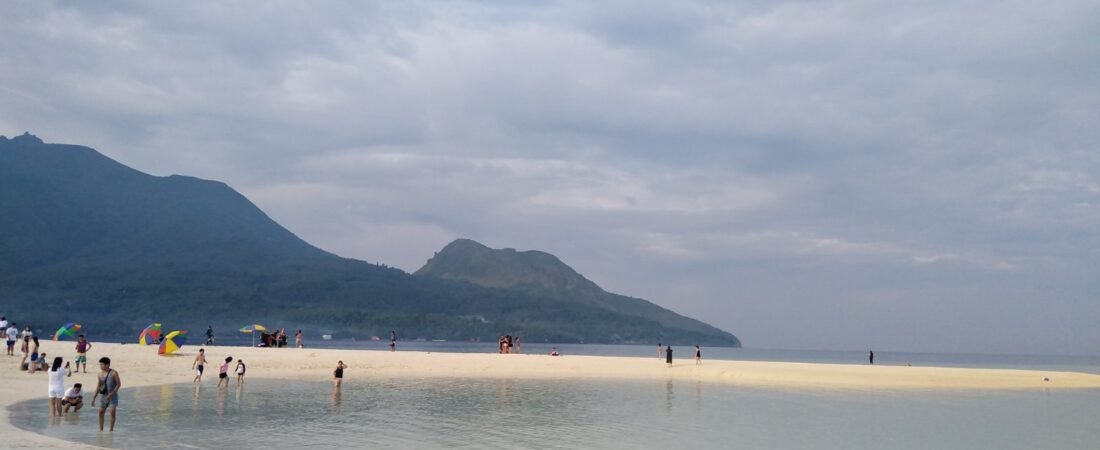
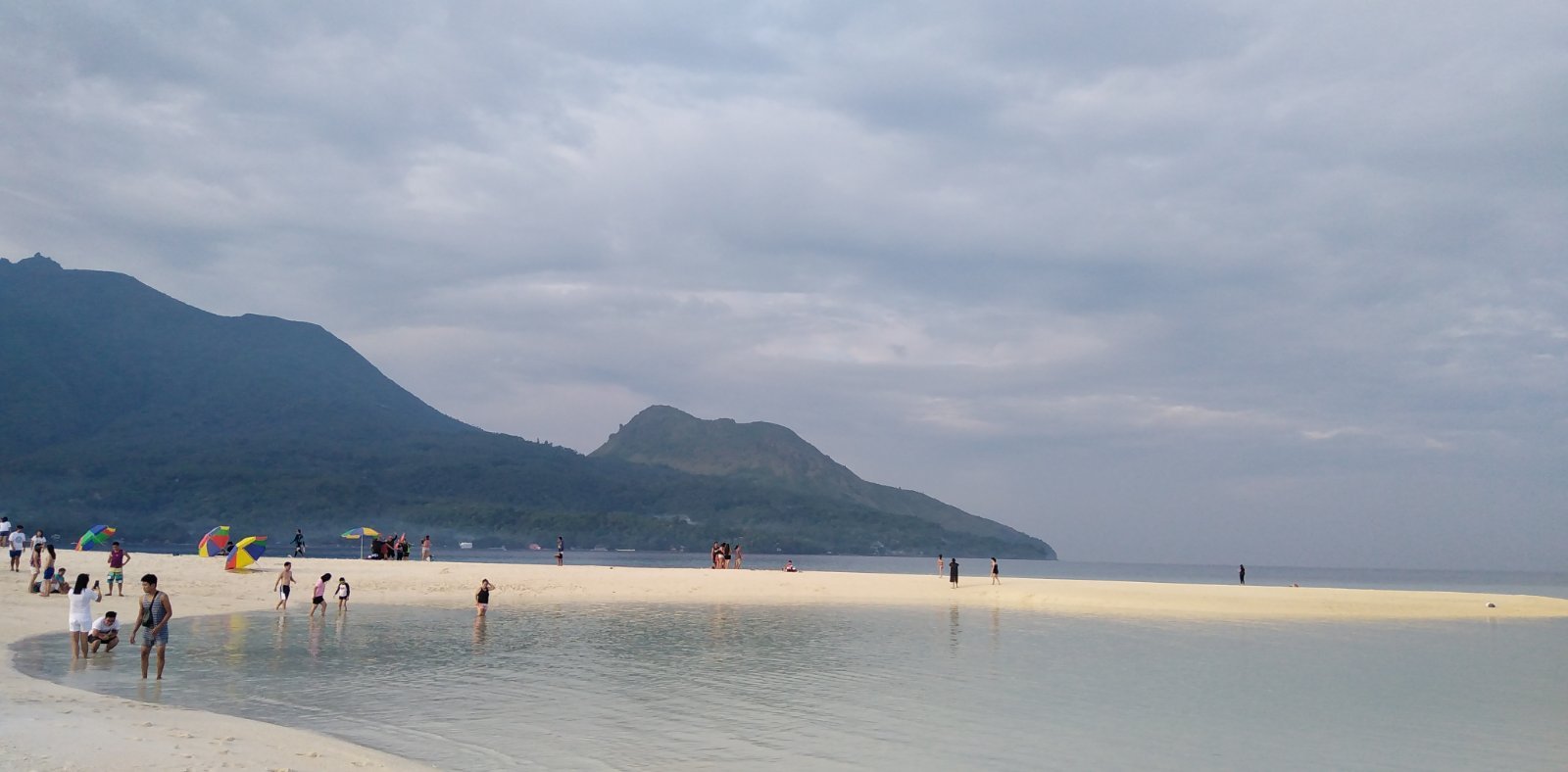
Illustrative view of White Island off the coast of Camiguin, Philippines. Not a photograph of any specific resort mentioned below.
Camiguin and Siquijor are two of the Philippines’ quieter island escapes, both smaller and slower-paced than Bohol, Cebu, or Siargao, yet with very different personalities. Camiguin is a volcanic island built around waterfalls, hot springs, and a drifting white sandbar, while Siquijor trades on a long-standing reputation for folklore and healers alongside its own share of waterfalls and beaches. Both make excellent stops for travelers who want to slow down, but the details of getting there and what fills your days differ enough to be worth comparing directly.
This comparison focuses on Camiguin and Siquijor specifically for travelers deciding between the two as a single island stop, especially those coming from Cebu, Bohol, or Dumaguete who have to choose one leg of a longer Philippine itinerary rather than visiting both.
Camiguin vs Siquijor at a Glance
| Category | Camiguin | Siquijor |
|---|---|---|
| Main draw | Volcanic landscapes, White Island sandbar | Folklore reputation, beaches, waterfalls |
| Typical access | Fly to Cagayan de Oro, ferry from Balingoan | Ferry from Dumaguete or Cebu/Bohol |
| Getting around | Scooter or habal-habal on a 64km ring road | Scooter on a compact circumferential road |
| Best for | Waterfalls, hot springs, quiet diving | Beaches, cliff diving, cultural curiosity |
| Accommodation style | Small beach resorts, guesthouses | Beachfront resorts, boutique stays |
Getting There: Access and Travel Time
Camiguin is generally reached by flying into Laguindingan Airport near Cagayan de Oro, then traveling overland to Balingoan port for the RORO ferry crossing to Benoni. Siquijor, by contrast, has no commercial airport of its own and is typically reached by ferry from Dumaguete on nearby Negros Island, with additional boat connections from Cebu and Bohol on a more limited schedule. In practice, Siquijor is often the easier add-on if you are already island-hopping through the Visayas, while Camiguin fits more naturally into a Mindanao-focused itinerary. Travel times can add up quickly if you underestimate transfers: budget the better part of a full day for either journey once you include flights, road transfers, and the ferry crossing itself, rather than treating the island as a quick same-day hop from a major city. Building in a buffer night before onward travel is a simple way to avoid missing a connection if a ferry is delayed.
Beaches and Natural Attractions
Camiguin’s signature sight is White Island, a bare sandbar with no permanent land, along with Katibawasan Falls, Ardent Hot Spring, and the Sunken Cemetery marking a village lost to an 1871 eruption. Siquijor counters with genuine white sand beaches like Paliton Beach, the tiered Cambugahay Falls, and Salagdoong Beach, which has two cliff-diving platforms of different heights built into the rock. If your priority is a classic postcard beach to lie on for a full day, Siquijor generally has the edge; if it is dramatic, ever-changing landscapes shaped by volcanic activity, Camiguin pulls ahead. Both islands also reward travelers willing to venture inland rather than staying purely coastal, since some of the most memorable stops on each, from Camiguin’s waterfalls to Siquijor’s Cambugahay Falls, sit a short drive from the shoreline.
Diving and Snorkeling
Both islands offer worthwhile diving, but with different character. Camiguin’s Sunken Cemetery and the marine sanctuary around Mantigue Island give divers and snorkelers historical interest alongside healthy coral, plus macro and muck-diving sites for the more experienced. Siquijor has its own respected dive sites, including areas known for marine biodiversity along its coastline, and is generally considered a slightly less crowded alternative to nearby Dumaguete’s better-known dive scene. Water visibility on both islands is generally best during their respective dry seasons, and neither island is a major liveaboard hub in the way that Raja Ampat is, but both reward divers who prefer a smaller-scale, land-based base.
Where to Stay: Resorts and Vibe
Camiguin’s accommodation is concentrated around Agoho and Mambajao, mostly small family-run resorts and guesthouses with a handful of mid-range options offering pools. Siquijor has a slightly more developed beachfront resort scene, particularly around San Juan, with a mix of budget beach huts and boutique properties aimed at travelers who want a bit more polish without full luxury pricing. Neither island has a significant presence of large international hotel chains, which is part of why both attract travelers looking for a quieter alternative to destinations like Thailand’s adults-only resort belt.
Local Culture and Folklore
Siquijor’s cultural identity is closely tied to its long-standing reputation as a center for traditional healers and folk magic, a reputation that draws curious travelers alongside the beaches, particularly around the Holy Week season when healing rituals are traditionally performed. Camiguin’s cultural story leans more toward its Catholic and volcanic history, visible in the Gui-ob Church ruins and the annual Lanzones Festival each October, which celebrates the island’s fruit harvest with parades and street dancing rather than folk ritual. Local guides on both islands are generally happy to share more detail on these traditions, and asking is often the best way to get beyond the surface-level tourist version of either story. Both offer a cultural layer well beyond the beach, just of very different kinds. Travelers interested in local history will find small museums and heritage sites on each island, though neither has the scale of cultural infrastructure found in bigger Philippine cities, which is part of what keeps both feeling authentic and low-key.
Which Island Should You Choose?
Choose Camiguin if you want volcanic scenery, waterfalls, hot springs, and a drifting sandbar, and you are already planning a Mindanao route through Cagayan de Oro. Choose Siquijor if you want classic white sand beaches, cliff diving, and a distinctive folklore-tinged culture, and you are traveling through the Visayas near Dumaguete, Cebu, or Bohol. Families and slow travelers tend to gravitate toward Camiguin’s calmer pace, while travelers chasing a specific beach photo or a cliff jump often lean toward Siquijor. If your schedule and route allow it, the two islands are different enough in character that combining them into one longer Philippine trip is a reasonable option for travelers who have the extra time, and doing so lets you experience both volcanic and classic tropical beach landscapes without feeling like you are repeating the same itinerary twice. For more single-destination detail, see our full Camiguin travel guide.
Background on both islands’ geography and history is available from the Wikipedia entry on Camiguin and the Wikipedia entry on Siquijor, and official travel information for both is available through the Philippine Department of Tourism.
Cost of Travel: Camiguin vs Siquijor
Both islands are generally affordable compared to the Philippines’ more developed beach destinations, but Siquijor’s slightly larger and more established resort scene means it has a broader range of pricing, from simple beach huts to boutique properties with higher nightly rates. Camiguin’s accommodation options skew more uniformly toward budget and mid-range, with fewer high-end choices overall, which can make it feel like better value if you are not seeking a luxury stay, though travelers who specifically want a higher-end beachfront resort experience may find Siquijor’s range slightly more accommodating. Day-to-day costs such as local food, tricycle or habal-habal fares, and entrance fees to waterfalls and springs are broadly similar on both islands and remain inexpensive by regional standards, particularly compared with more internationally marketed Philippine destinations.
Transport to reach each island factors into the total cost of a trip too. Flights into Cagayan de Oro for Camiguin and into Dumaguete or Cebu for Siquijor are both well served by domestic carriers, so the bigger cost variable tends to be the onward ferry and land transfer rather than the flight itself. Booking flights a few weeks ahead generally secures better fares on either route.
Island Size and Pace of Travel
Camiguin covers just under 240 square kilometers with a coastal ring road of about 64 kilometers, making it fully explorable by scooter in a single long day, though most visitors spread it across three or four days to include boat trips to White Island and Mantigue Island. Siquijor is similarly compact, with a circumferential road that makes a full loop feasible in a day, and most visitors likewise plan three to four days to cover the main beaches, waterfalls, and the Salagdoong cliff-diving spot without rushing.
Because both islands are small enough to circle in a day, travelers who prefer a slower pace often base themselves in one or two locations and take short day trips outward, rather than changing accommodation every night. This works well on either island, though Camiguin’s attractions are slightly more spread around the full ring road, while several of Siquijor’s best-known stops cluster more toward the south and west coasts, which can make a single well-placed base on Siquijor slightly more convenient than on Camiguin.
Frequently Asked Questions
Can I visit both Camiguin and Siquijor on one trip?
Yes, though it takes careful routing since they sit in different regions. Most travelers connect through Cebu or Bohol, then branch toward Dumaguete for Siquijor or toward Cagayan de Oro for Camiguin. Allowing at least four to five days total keeps the trip from feeling rushed.
Which island is better for beaches, Camiguin or Siquijor?
Siquijor generally has the more classic white sand beaches, while Camiguin’s best-known shoreline feature is the White Island sandbar, which is a different kind of experience.
Is Siquijor safe despite its witchcraft reputation?
Yes. The folklore reputation is a cultural draw rather than a safety concern, and Siquijor is considered one of the more relaxed, low-crime islands in the Philippines.
Which island is easier to reach from Cebu?
Siquijor is generally easier from Cebu, with more frequent ferry connections through Dumaguete or Bohol, while Camiguin usually requires routing through Cagayan de Oro.
Which island is better for diving?
Both offer worthwhile diving. Camiguin has the Sunken Cemetery and Mantigue Island’s sanctuary, while Siquijor is known for biodiverse reef sites near San Juan and Larena.