Cuyo Islands Travel Guide 2026: Palawan’s Quiet Side
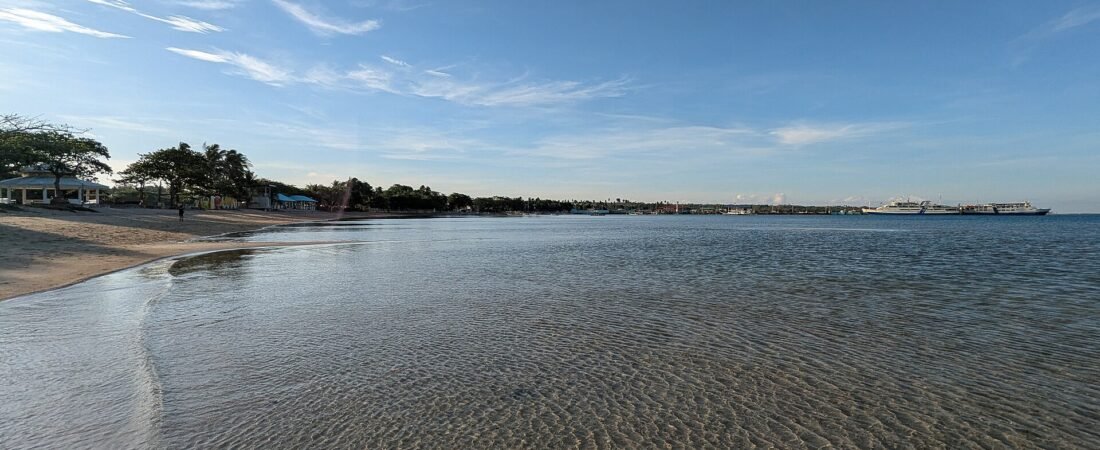
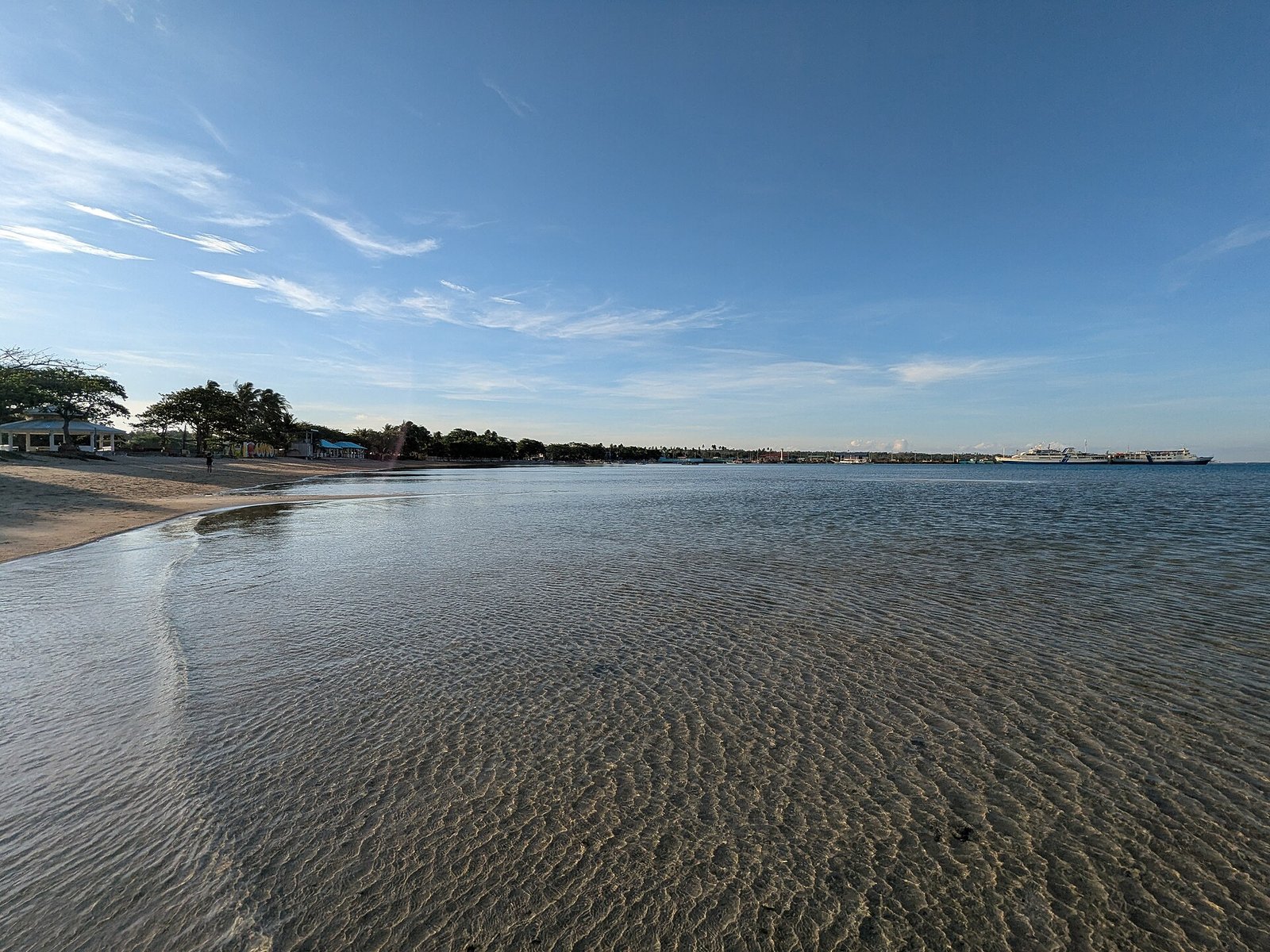
Photo: LuzViMindaLife / Wikimedia Commons, CC BY-SA 4.0
TL;DR: The Cuyo Islands are a scattered group of about 45 islands in the Sulu Sea, roughly halfway between mainland Palawan and Panay. Cuyo town offers a 17th-century church-fort, quiet beaches and simple guesthouses; the outer Quiniluban group holds Amanpulo, the archipelago’s only true luxury resort. Go between December and May, and budget extra days because ferries and small flights run on thin schedules.
Most travellers who say they have “done Palawan” mean El Nido, Coron and perhaps Puerto Princesa. The Cuyo Islands sit far off that circuit, in open water east of the main island, and they reward the small number of people who make the effort with heritage streets, empty sandbars and a pace that feels decades removed from the tour-boat queues further north. This guide focuses on Cuyo specifically for experienced Philippines travellers and couples who already know the classic Palawan route and want either a slow-travel heritage stop or a stepping stone towards the private-island end of the market.
It is a research-based overview drawn from provincial tourism information, published shipping and flight patterns, and recent traveller itineraries, rather than a single first-hand stay. Schedules in this part of the Philippines change often, so treat every time and price here as a planning range and confirm directly before you book.
Where the Cuyo Islands Are and Why They Feel Different
The archipelago is split between three municipalities of Palawan province: Cuyo, Agutaya and Magsaysay. Cuyo Island itself is the hub, with the main town, the port, a small airport, a market, banks and most of the accommodation. Around it lie smaller inhabited islands such as Bisucay and Agutaya, and further north the Quiniluban group, which includes Manamoc and Pamalican.
What makes Cuyo distinctive is history. For much of the Spanish period Cuyo was one of the most important settlements in the region, and it served as the provincial capital in the late nineteenth century before the seat moved to Puerto Princesa. That legacy survives in the town’s grid of old houses, the plaza and above all the fortified church complex. The local language, Cuyonon, is still widely spoken and is one of the cultural roots of mainland Palawan.
Unlike El Nido, there are no limestone karst cliffs here. The scenery is low, green islands, coconut palms, white-sand spits and very clear water over shallow reef flats. If you are expecting the dramatic lagoons of Bacuit Bay you will be disappointed; if you want calm, culture and almost no other tourists, Cuyo delivers.
Getting There: Ferries, Small Flights and Charters
Access is the single biggest planning challenge. There are three realistic options, and which one you choose decides how many days you need.
| Route | Typical duration | Frequency (verify) | Best for |
|---|---|---|---|
| Ferry from Puerto Princesa | Overnight, roughly 12–16 hours | A few sailings per week | Travellers already in central Palawan |
| Ferry from Iloilo (Panay) | Overnight, roughly 12–14 hours | About weekly, seasonal changes | Visitors coming from the Visayas |
| Small scheduled or semi-scheduled flight to Cuyo Airport | About 1 hour from Puerto Princesa or Iloilo | Irregular; operators have changed over the years | Short trips with flexible dates |
| Private air charter from Manila to Pamalican (Amanpulo guests) | About 1 hour 10 minutes | Arranged by the resort | Luxury guests heading straight to the resort |
| Private boat charter from Cuyo to outer islands | 1–3 hours depending on island | On demand, weather permitting | Island-hopping and day trips |
Ferries are basic but functional, with economy bunks and a small number of cabins. Book the best cabin class available, bring your own snacks, and expect delays during the southwest monsoon. Flights to Cuyo have been operated by small regional carriers on light aircraft; they are convenient when they run, but cancellations and schedule gaps are common, so never build an onward international connection around a same-day Cuyo flight.
If you are combining Cuyo with the rest of the province, our Coron travel guide and our look at Palawan resorts beyond El Nido will help you sequence the trip so that the long sea crossing falls in the middle rather than at the end.
What to See on Cuyo Island
Cuyo Island is small enough to explore by tricycle or rented motorbike in a day, but most visitors stay three or four nights to enjoy the rhythm of town life.
Cuyo Fort and Church
The landmark of the islands is the stone church-fort in the town centre, built by Spanish Augustinian Recollect missionaries in the late seventeenth century to protect the community from raids. Thick coral-stone walls enclose the church, a convent and watchtowers, and it remains an active parish. Visit early in the morning or late afternoon for soft light, dress modestly and avoid wandering into the church during services.
The Heritage Town and Plaza
Around the fort you will find old ancestral houses with capiz-shell windows, a lively market and a plaza where the town gathers in the evening. Locally made sweets and cassava-based snacks are worth trying, and the festivals around the feast of the town’s patron saint in late August bring processions and cultural performances.
Capusan Beach and Mount Bombon
For a view, walk or ride up to the hill known as Mount Bombon, where a short climb gives you a panorama over the town, the reef flats and the outer islands. Capusan and Tabunan are the two beaches most often mentioned by visitors; both are quiet, with few facilities, so bring water and shade.
Island-Hopping the Outer Islands
The real reward of Cuyo is a day on the water. Local boatmen arrange bangka trips to nearby islets, sandbars and snorkelling spots. A typical day combines a sandbar picnic, a stop at a fishing village and an hour or two snorkelling over shallow coral gardens.
- Bisucay and Pandan: close to Cuyo, with white sand and quiet villages.
- Agutaya: a separate municipality with its own old church, reachable as a longer day trip.
- Manamoc: part of the Quiniluban group, known for a large inner lagoon and very clear water.
- Quiniluban sandbars: remote sand spits best visited in the calmest months.
Agree the route, inclusions and life-jacket count with the boatman the evening before. Outer-island trips depend entirely on sea conditions, and responsible operators will cancel when the wind is up. That is a feature, not an inconvenience.
Where to Stay: Guesthouses Versus Amanpulo
Accommodation in Cuyo itself is simple. Expect family-run guesthouses, small pension houses and a handful of beach cottages, generally with fans or basic air-conditioning, intermittent hot water and limited Wi-Fi. They are clean and friendly, but there is nothing resembling a five-star hotel on Cuyo Island.
The luxury option lies on Pamalican Island in the Quiniluban group, where Amanpulo occupies the whole island. Guests normally fly in by private charter from Manila and rarely pass through Cuyo town at all. Our dedicated Amanpulo and Pamalican guide covers casitas, villas and transfer logistics, and our round-up of private island resorts in Southeast Asia puts it in regional context.
A rewarding combination for well-travelled couples is to spend two or three nights in Cuyo town for the heritage and the local feel, then charter onwards or return to Manila to fly into the resort. Doing it in the other order means the simplicity of Cuyo can feel like a step down; starting simple makes the finale even sweeter.
Best Time to Visit Cuyo
The Cuyo Islands follow the typical western Philippines pattern. The northeast monsoon and dry months from roughly December to May bring the calmest seas and the most reliable ferries, with March to May the hottest and stillest period. From about June to October the southwest monsoon brings rain, swell and a higher chance of cancelled sailings and flights, and typhoon tracks can disrupt services further.
Check the national weather service PAGASA in the days before any crossing, and leave at least one buffer day before your flight home. If you can only travel in the wet season, consider the more sheltered parts of the Visayas instead, using our rainy-season guide to Southeast Asia.
Budget and Practical Tips
Daily costs in Cuyo are modest if you stay in town. Guesthouse rooms are generally inexpensive, local meals cost little, and a shared island-hopping boat is reasonable when split among a small group. The large expense is transport: a flight or a good ferry cabin, plus private boat hire if you want to reach the outer islands on your own schedule. Amanpulo is in a completely different bracket, with nightly rates for casitas typically starting well above a thousand US dollars before the charter flight.
- Bring enough cash. ATMs exist in town but can run dry or go offline.
- Mobile data works in town but is patchy on outer islands.
- Pack reef-safe sunscreen, a dry bag and your own snorkel mask.
- Respect local customs: cover shoulders in church and ask before photographing people.
- Leave no plastic on sandbars; many islets have no waste collection.
Key Takeaways
- Cuyo is a heritage-and-calm destination, not a karst-lagoon showpiece like El Nido.
- Plan around transport first: ferries run a few times a week and flights are irregular.
- Visit between December and May for the calmest seas and most reliable crossings.
- Stay in simple town guesthouses for culture; choose Amanpulo for true luxury.
- Carry cash, build in buffer days and book boat trips the evening before.
For broader context on the province, the Cuyo Islands article on Wikipedia and the Cuyo municipality page are useful starting points, and the Department of Tourism’s official Philippines travel site lists current advisories.
Frequently Asked Questions
Where are the Cuyo Islands?
They lie in the Sulu Sea in Palawan province, roughly midway between mainland Palawan and Panay, and are split between the municipalities of Cuyo, Agutaya and Magsaysay.
How do I get to Cuyo from Puerto Princesa?
Most visitors take an overnight ferry of roughly 12 to 16 hours, which runs a few times a week. Small flights to Cuyo Airport have operated intermittently, so check current operators before planning.
Is there a luxury resort in the Cuyo Islands?
Yes. Amanpulo occupies Pamalican Island in the outer Quiniluban group. Guests usually reach it by private charter from Manila rather than via Cuyo town.
What is the best time to visit Cuyo?
December to May offers the calmest seas and most reliable ferries. June to October brings the southwest monsoon and a higher risk of cancellations.
Is Cuyo worth visiting if I have already seen El Nido?
It is if you want heritage, quiet beaches and very few tourists. It does not have El Nido’s limestone cliffs, so go for the atmosphere rather than the scenery.
About the Author
This guide was researched by the LuxStay editorial team — curating luxury island and Southeast Asia stays, updated regularly with on-the-ground verification.