Dumaguete vs Siquijor 2026: Which Base Is Better?
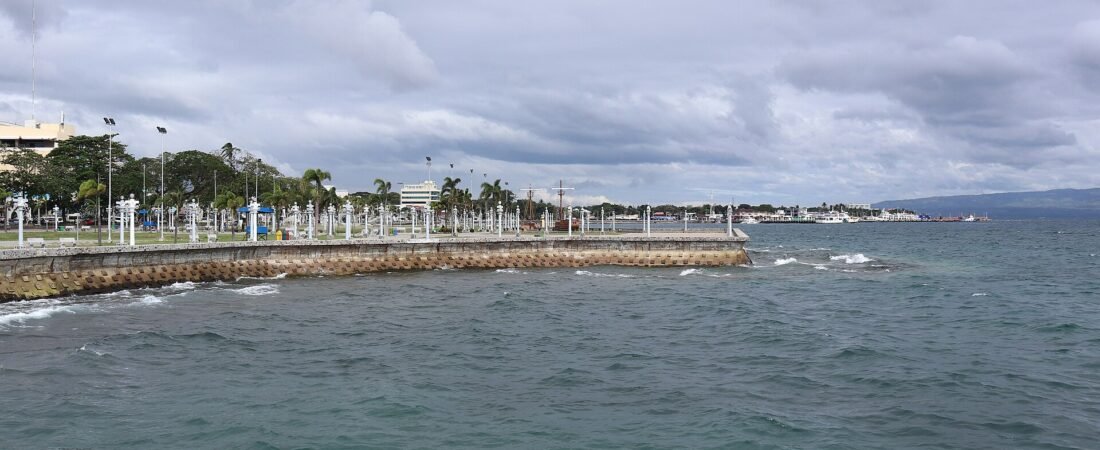
Photo: Patrickroque01 / Wikimedia Commons, CC BY-SA 4.0
TL;DR: Choose Dumaguete (and the Dauin coast just south of it) if diving, Apo Island day trips, easy flights and restaurants matter most. Choose Siquijor if you want beaches, waterfalls and a slower island mood. For most trips of a week or more, the best answer is both: three or four nights on the Dauin coast, then three or four on Siquijor, linked by a ferry of about an hour.
Dumaguete and Siquijor sit just across a narrow strait from each other in the central Philippines, and they are often treated as one destination. In practice they offer very different experiences. Dumaguete is a university city on Negros with an airport, a seaside promenade and a dive coast on its doorstep. Siquijor is a small, rural island known for waterfalls, white-sand coves and a reputation for folk healing traditions. This guide focuses on the choice specifically for couples and divers planning a southern Visayas trip of five to ten days, who want to know where to base themselves rather than which day trips to tick off.
It is a research-based comparison drawn from transport timetables, tourism listings and recent traveller itineraries, not a sponsored ranking. Conditions and prices change, so verify details before booking.
Quick Comparison
| Factor | Dumaguete and Dauin | Siquijor |
|---|---|---|
| Access | Direct flights from Manila and Cebu to Dumaguete Airport | Ferry from Dumaguete (about 1 hour) or longer sea routes from Cebu and Bohol |
| Beaches | Dark volcanic sand along Dauin; good for diving, less for lounging | White-sand coves such as Paliton and Salagdoong |
| Diving and snorkelling | Excellent: Dauin muck diving and Apo Island trips | Good reef snorkelling from shore; fewer dive operators |
| Upscale stays | Several polished dive and spa resorts on the Dauin coast | A handful of boutique and upper-midrange beach resorts |
| Food and nightlife | Wide range of restaurants and cafés in the city | Quiet; resort dining and small local eateries |
| Pace | Small-city energy, traffic in town | Rural, slow and easy to explore by motorbike |
Getting There and Moving Between Them
Dumaguete is the logistics winner. Its airport, at Sibulan just north of the city, has direct domestic flights from Manila and Cebu, so you can be at a resort on the Dauin coast within an hour of landing. Siquijor has no regular commercial flights; almost everyone arrives by sea.
The most common link is the fast ferry from Dumaguete port to Siquijor, which takes roughly an hour, with several departures a day in normal conditions. Slower and cheaper vessels also run. Other routes connect Siquijor with Cebu and Bohol, useful if you are continuing to Panglao, though these take longer. Because Dumaguete is the transport hub, most travellers start or end there, which naturally favours a split stay.
Beaches and Scenery
If the picture in your head is a palm-lined white-sand cove with turquoise water, Siquijor is the closer match. Paliton Beach on the west coast is famous for sunsets; Salagdoong in the east has clear water and a cliff-jumping platform; smaller coves around San Juan are pleasant for swimming at high tide. Inland you will find Cambugahay Falls, a set of turquoise pools near Lazi, as well as the old church and convent of San Isidro Labrador and a giant balete tree with a spring-fed pool.
The Dauin coast south of Dumaguete has darker volcanic sand and calm water, ideal for diving but less photogenic for sunbathing. Around Dumaguete itself, the scenery is inland: the twin crater lakes of Balinsasayao and Danao in a protected forest, waterfalls around Valencia, and in the north, the Manjuyod sandbar and dolphin-watching trips from Bais.
Diving and Snorkelling
This is where Dumaguete pulls clearly ahead. The Dauin coast is one of the Philippines’ best-known muck-diving areas, with frogfish, nudibranchs, seahorses and other small critters on sandy slopes just offshore. A string of dive resorts operates daily boats. The real highlight is Apo Island, a community-managed marine sanctuary reached by boat from the Dauin and Zamboanguita area in well under an hour, where healthy hard coral and green sea turtles are the draw.
Siquijor has decent reef snorkelling from several beaches and a few dive shops, and Apo Island trips can also be arranged from the island, though the crossing is longer. If diving is the main reason for your trip, base yourself in Dauin. Our Dumaguete and Apo Island resort guide lists the properties best set up for divers.
Where to Stay: Resort Style and Comfort
The Dauin coast has the widest choice of polished resorts in this corner of the Visayas. Expect landscaped gardens, pools on the shoreline, spas and in-house dive centres, with villa categories that suit honeymooners. Service levels are generally high and the dive operations are professional.
Siquijor’s accommodation is more boutique: small beach resorts, design-led villas and upper-midrange properties around San Juan and the west coast. A few are genuinely stylish, but the island does not have large international five-star brands. For a curated shortlist, see our best luxury resorts in Siquijor and the general Siquijor travel guide.
Food, Culture and Atmosphere
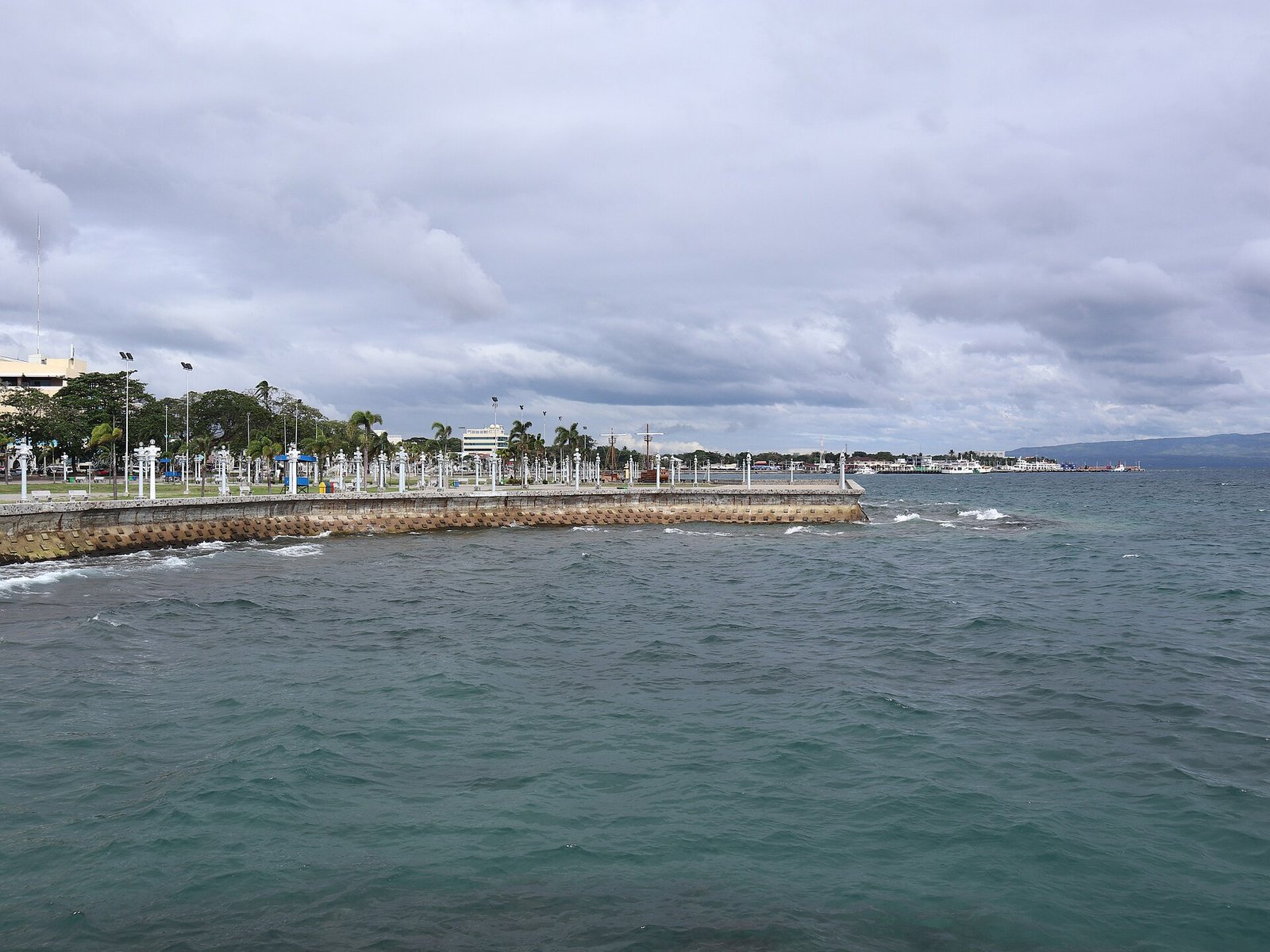
Dumaguete is known as a friendly, laid-back university city, home to Silliman University, founded in 1901. Rizal Boulevard, the seafront promenade, comes alive in the evenings with food stalls and families out walking, and the city has a good spread of cafés, Filipino restaurants and international cuisine. It is the better base if you want variety at dinner or a lively evening.
Siquijor is quieter. Its folklore, often associated with traditional healers and herbal remedies, is part of the island’s identity and attracts curious visitors, particularly around Holy Week. In daily life, the island feels rural and safe, with a circular coastal road of around 70 kilometres that makes it easy to explore by scooter in a day. Evenings tend to revolve around resort restaurants and sunset drinks.
Costs and Who Should Choose Which
Day-to-day costs are similar on both sides of the strait. Dumaguete has more competition, so mid-range dining is often cheaper and more varied. Siquijor’s resorts can price slightly higher for comparable comfort because of the island premium. Both are significantly cheaper than the most famous Philippine resort areas.
- Divers: Dauin, with a short Siquijor add-on if time allows.
- Honeymooners: A split stay, ending on Siquijor for sunsets and quiet beaches.
- Families: Dumaguete or Dauin for easier logistics and medical facilities.
- Short trips (3–4 nights): Dauin, with Apo Island and a Siquijor day trip.
- Slow travellers: Siquijor for a week, crossing to Dumaguete only for flights.
A Sample Seven-Night Split Stay
- Night 1–2, Dauin coast: Fly into Dumaguete in the morning and transfer about 30 minutes south to a resort on the Dauin shoreline. Spend the first afternoon unwinding, then do a refresher dive or a guided snorkel on the house reef the next morning.
- Night 3, Dauin coast: Take a full-day boat trip to Apo Island, ideally leaving early before day-trip crowds arrive. Expect two or three dives or snorkel stops and a simple lunch on the island.
- Night 4, Dauin or Dumaguete: Head inland to the twin lakes of Balinsasayao and Danao for kayaking and forest walks, and finish with dinner on Rizal Boulevard in the city.
- Night 5–7, Siquijor: Take a morning ferry across. Rent a scooter or hire a driver for a loop of the island taking in Cambugahay Falls, the Lazi church and convent, and the old balete tree. Spend your final evenings watching the sunset from Paliton Beach or your resort.
On departure day, take the morning ferry back to Dumaguete and allow a comfortable gap before your flight. If the sea is rough, ferries can be delayed or cancelled, so a late-afternoon flight, or an extra night in Dumaguete, is the safer choice. Reversing the order also works if you want to finish with the better dive days, but most couples prefer to end on Siquijor’s quieter beaches.
Weather and When to Go
Both places share the same climate. The driest and calmest months generally run from about December or January to May, with March to May the hottest. The rainier months are typically June to November, when typhoons passing through the central Philippines can disrupt flights and ferries. Visibility for diving is often good year-round on the sheltered Dauin coast, which is one more reason divers favour it.
If you are still weighing other islands, our comparisons of Camiguin vs Siquijor and Siargao vs Siquijor may help.
Key Takeaways
- Dumaguete wins on access, food and diving, especially Apo Island and Dauin.
- Siquijor wins on white-sand beaches, waterfalls and a slower island mood.
- The two are linked by a ferry of about an hour, so a split stay is easy.
- Base in Dauin for diving; finish on Siquijor for a relaxed ending.
- Check the weather and ferry schedules, and keep a buffer before your flight.
For background reading, see the Wikipedia entries for Dumaguete and Siquijor, and check the Department of Tourism’s official travel site for current advisories.
Frequently Asked Questions
Is Dumaguete or Siquijor better for a honeymoon?
Many couples split their stay: a few nights on the Dauin coast near Dumaguete for diving and spa resorts, then a few nights on Siquijor for quiet beaches and sunsets.
How long is the ferry from Dumaguete to Siquijor?
The fast ferry takes roughly one hour, with several departures daily in normal weather. Slower ferries take longer and cost less.
Can I visit Apo Island from Siquijor?
Yes, some operators run trips from Siquijor, but the crossing is longer. Apo Island is easiest from the Dauin and Zamboanguita coast south of Dumaguete.
Does Siquijor have an airport?
Siquijor does not have regular commercial flights. Most visitors fly to Dumaguete and take the ferry across.
Which has better beaches, Dumaguete or Siquijor?
Siquijor has the better white-sand beaches, such as Paliton and Salagdoong. The Dauin coast near Dumaguete has darker volcanic sand suited to diving.
About the Author
This guide was researched by the LuxStay editorial team — curating luxury island and Southeast Asia stays, updated regularly with on-the-ground verification.