7 Best Things to Do on Marinduque Island (2026)
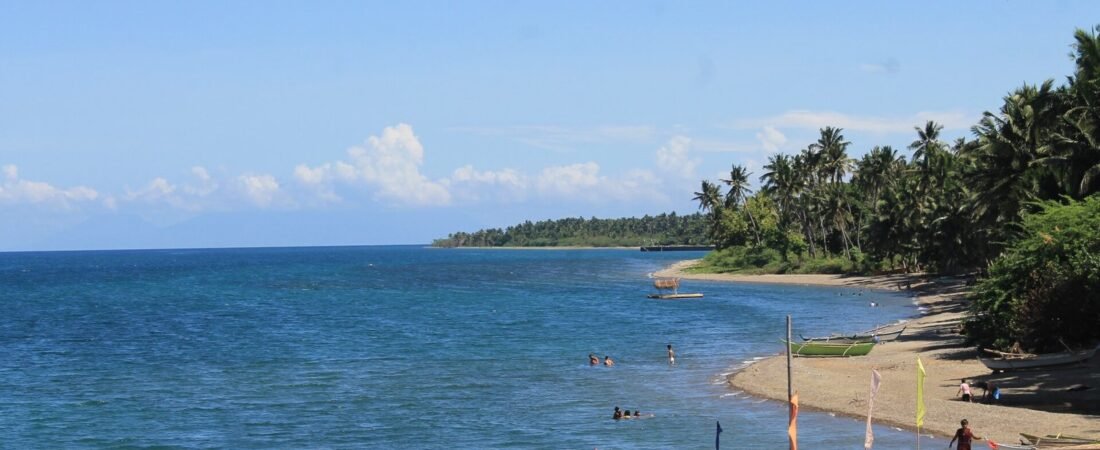
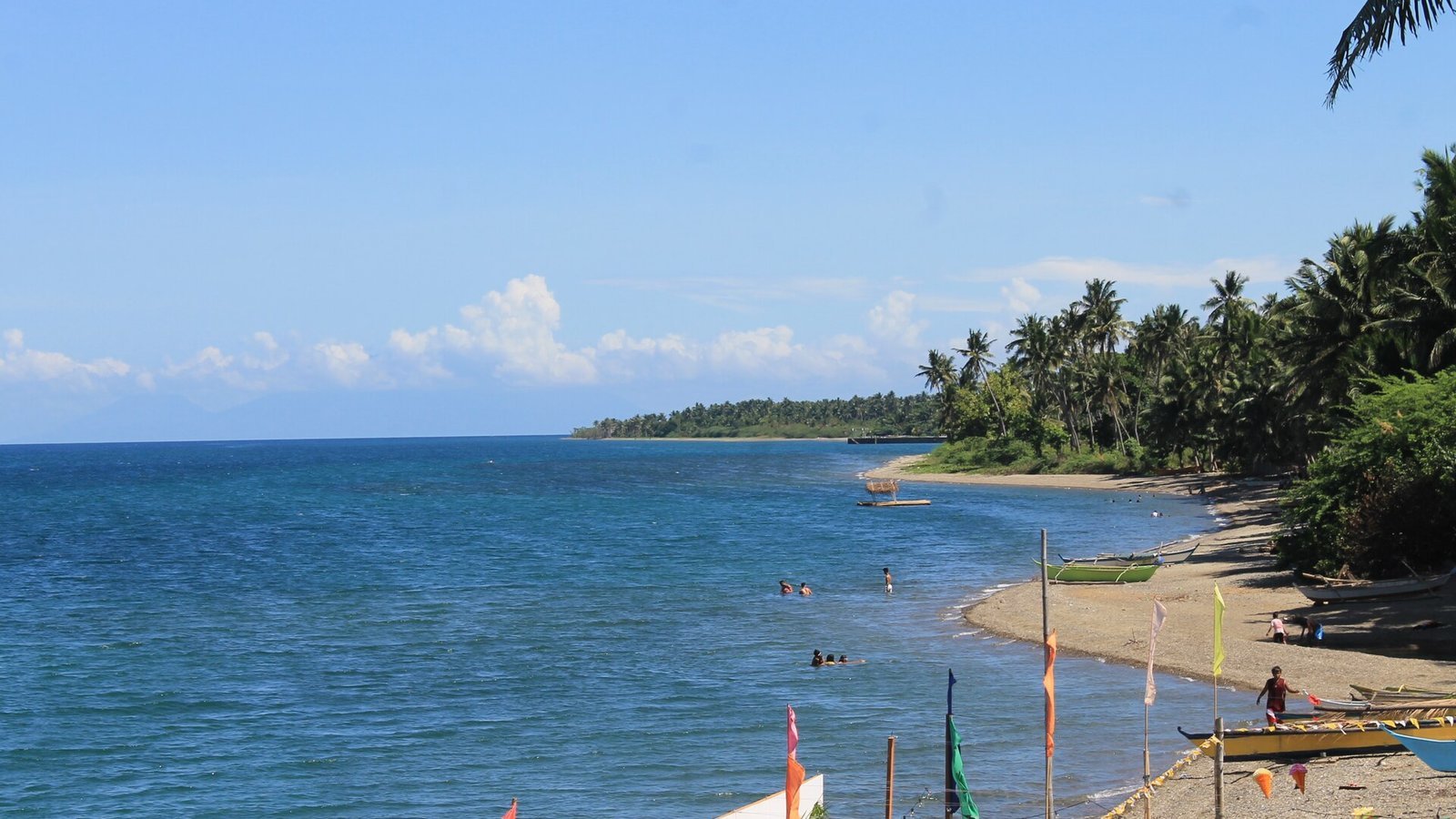
Illustrative photograph. Not a photograph of every location described below.
This guide focuses on Marinduque specifically for travelers who want to go beyond the island’s single famous event, the Moriones Festival, and understand what else is worth building a trip around the rest of the year. Marinduque sits in a part of the Philippines that sees relatively little foreign tourism, which is part of its appeal and part of why its transport options need a bit more planning than a better-connected island. The list below mixes the island’s single unmissable event with the beaches, caves, mountain, and towns that make it worth a visit the rest of the year too, so you can decide for yourself how much of a trip to build around Holy Week specifically versus the island’s quieter months.
Research-based guide. Festival and transport details draw on published island records and recent news coverage of the island’s cultural calendar; verify current ferry schedules and any flight status directly before booking, since small-island transport links in this region change without much notice.
Getting to Marinduque
The standard route is a ferry from Dalahican Port in Lucena, Quezon, to Balanacan port on Marinduque, a crossing of roughly three hours with several sailings a day; Lucena itself is reachable from Manila by bus or private car in about two to three hours, depending on traffic leaving the metro. A smaller airport near Gasan has previously operated limited domestic flights; air service to small provincial airports like this one changes over time, so confirm current flight status directly with an airline before counting on it, and treat the ferry as the reliable default.
1. Experience the Moriones Festival (Holy Week)
Marinduque’s best-known event by far, Moriones is a Holy Week festival in which participants dress as Roman centurions in painted masks and armor, reenacting the legend of Longinus, the soldier said to have pierced Christ’s side and later been converted and martyred. Processions and street performances fill towns across the island for several days around Easter, and the festival remains a major draw for both domestic and international visitors. If Holy Week timing works for your trip, this is the single most distinctive reason to visit Marinduque specifically rather than a more generic Philippine beach island.
Each town on the island fields its own masked performers and its own variation on the costume and procession, so the festival looks slightly different depending on where you base yourself for the week. Hotel rooms and local homestays fill up well ahead of Holy Week, so anyone planning a trip specifically around Moriones should book accommodation months rather than weeks in advance.
2. Relax at Poctoy White Beach
Poctoy, on the island’s eastern coast, is consistently cited as Marinduque’s best white-sand beach, with calm, shallow water and a view across to Mount Banahaw on clear days. It is considerably quieter than comparable beaches on more developed islands, with simple local facilities rather than a resort strip, which suits travelers who came to Marinduque precisely to avoid that kind of crowd.
A handful of small cottages and simple eateries line the beach, enough for a half-day or full-day visit without needing to pack your own supplies, though nothing here approaches resort-level service. Weekday visits are noticeably quieter than weekends, when day-tripping local families make up much of the crowd.
3. Explore Bathala Caves
A cave system in the island’s interior, Bathala Caves is a popular spot for travelers looking for something beyond beach time, typically visited with a local guide given the uneven terrain inside. Bring sturdy shoes and a flashlight if your guide doesn’t provide one, and expect a genuinely local, lightly developed experience rather than a tourist-polished attraction. Guides are typically arranged locally rather than booked online in advance, so ask at your accommodation or in the nearest town once you have arrived.
4. Hike Mount Malindig or Day-Trip to Maniwaya Island
The island’s highest point and a dormant volcano, Mount Malindig offers a full-day hike rewarded with views across Marinduque and, on a clear day, toward neighboring islands. This is a trip for reasonably fit travelers prepared for a long day on foot, best arranged with a local guide familiar with the trail.
If a full-day hike isn’t what you’re after, Maniwaya Island, a smaller island off Marinduque’s coast reachable by a short boat ride, offers a quieter, more remote beach experience than the main island itself, popular as a day trip or a simple overnight camp for travelers who want to go one step further off the beaten path. Either option is a reasonable way to spend a day away from the main towns.
5. Slow Down in Boac and Santa Cruz
Marinduque’s main towns, Boac and Santa Cruz, are worth a wander in their own right, with Spanish-era churches, a small cathedral in Boac, and a slower town pace than you’ll find in most provincial capitals in the Philippines. Neither town is a major sightseeing destination on its own, but both make a pleasant base for exploring the rest of the island, in much the same way a traveler might use Romblon’s town center as a base for a similarly unhurried, lightly touristed Philippine island.
| What | Detail |
|---|---|
| Standard route | Ferry, Dalahican Port (Lucena) to Balanacan, ~3 hours |
| Signature event | Moriones Festival, Holy Week |
| Best beach | Poctoy White Beach |
| Main towns | Boac and Santa Cruz |
| Best for | Culture-focused and off-the-beaten-path travelers, especially around Holy Week |
6. Plan Around the Season
Outside of Moriones week, Marinduque’s dry season (roughly December through May) is the easiest window for beach time and hiking, while the wetter months, in line with the broader seasonal pattern PAGASA tracks across the Philippines, bring a higher chance of rough seas on the Lucena ferry crossing. Travelers who want the cultural centerpiece should build a trip specifically around Holy Week; everyone else has more flexibility and may prefer to avoid that week’s inevitable crowds and higher accommodation demand.
Accommodation on Marinduque is simple and locally run rather than resort-style, concentrated in and around Boac; book ahead specifically if your trip falls during or near Holy Week, when rooms fill up well in advance of the festival itself.
Marinduque is an island best suited to travelers who want culture and quiet in roughly equal measure, rather than a resort-driven beach holiday. It rewards a slower, less itinerary-driven style of travel than many better-known Philippine islands, and is easy to underrate if you only know it for one week of the year. For a more beach-first alternative in the same general region, see our guide to the Calaguas Islands, and confirm current ferry schedules directly before you travel.
Frequently Asked Questions
What is Marinduque best known for?
The Moriones Festival, a Holy Week event in which participants dress as Roman centurions reenacting the legend of Longinus, is by far the island’s most famous draw.
How do I get to Marinduque?
The standard route is a ferry from Dalahican Port in Lucena, Quezon, to Balanacan port on Marinduque, taking roughly three hours. A small airport near Gasan has previously operated limited flights; confirm current flight status directly with an airline before relying on it.
Is Marinduque worth visiting outside of Holy Week?
Yes. Poctoy White Beach, Bathala Caves, Mount Malindig, and Maniwaya Island are all worth visiting any time of year; Holy Week simply adds the Moriones Festival on top.
Is Marinduque suitable for a first-time Philippines trip?
It can be, but it suits travelers comfortable with limited tourist infrastructure and a ferry-dependent itinerary more than those wanting resort-level convenience from the start.
How many days should I spend on Marinduque?
Three to four days is enough to cover the main beach, caves, and towns at an unhurried pace, with an extra day or two if you plan to hike Mount Malindig or day-trip to Maniwaya Island.