
How to Get to the Calaguas Islands From Manila (2026)
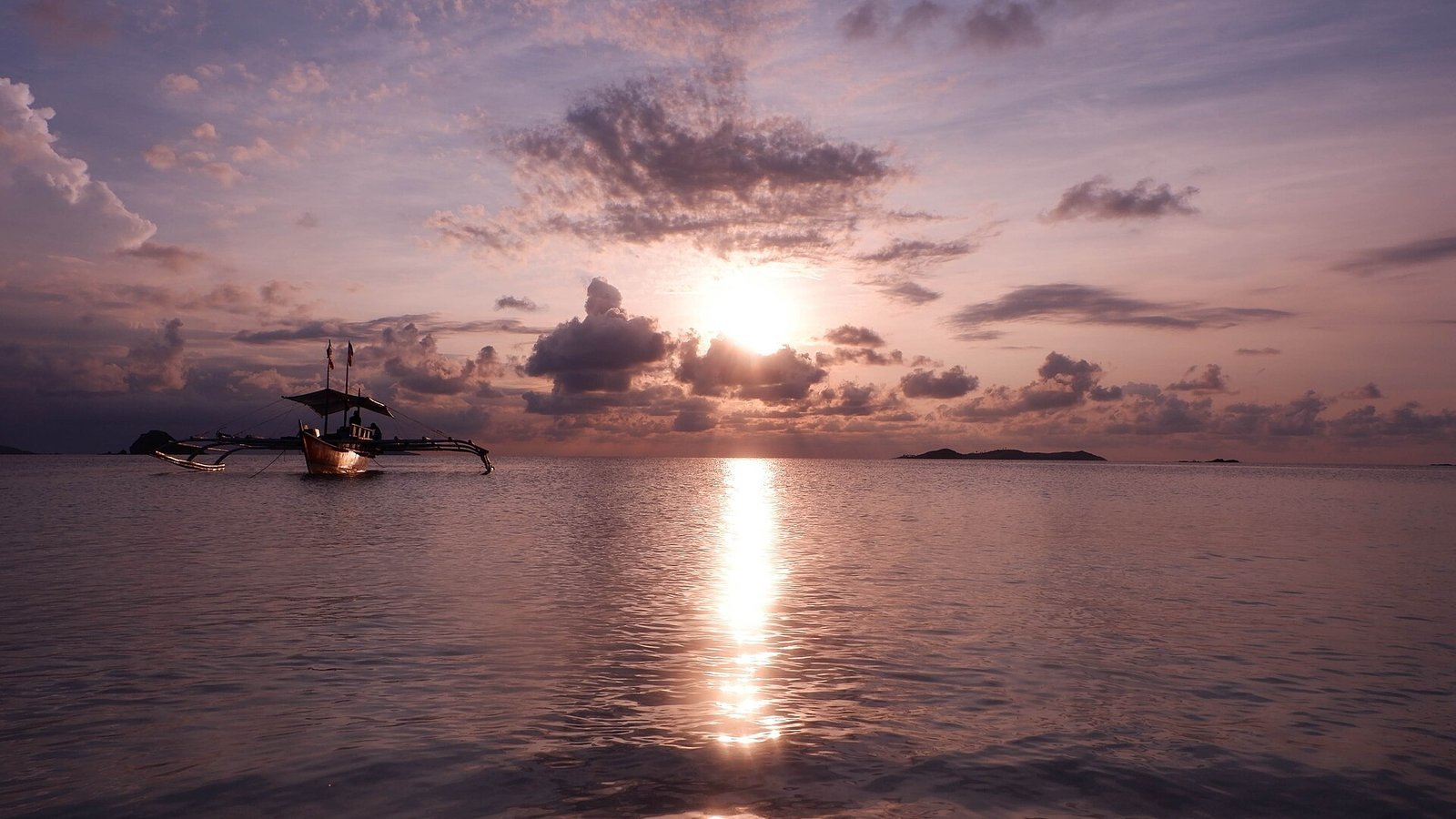
Illustrative photograph. Not a photograph of every location described below.
This guide focuses specifically on the practical route from Manila to the Calaguas Islands, for travelers who have decided they want to go and simply need the logistics, rather than a general argument for why to visit. Calaguas is one of the more remote beach destinations covered on this site: there is no airport serving it directly, no resort strip, and the journey itself is a meaningful part of the trip.
Research-based guide. Route and fee details draw on travel-logistics reporting and a regional government briefing, specifically a Camarines Norte provincial government post referencing local coordination for island trips and general province-level geography; boat fares and any environmental or barangay fees should be confirmed directly with boatmen or local tourism officers before you go, as these figures shift from season to season.
The Short Version
From Manila, travel overland or fly to the Daet area in Camarines Norte, then continue by tricycle or van to a jump-off fishing port, most commonly Vinzons or Paracale, and finally cross by hired outrigger boat to the Calaguas group, landing most often at Mahabang Buhangin (Long White Beach) on Tinaga Island. Plan on a full day of travel each way, and expect to pay for the whole boat rather than a per-seat fare, which makes going with a small group considerably cheaper per person than traveling alone.
Step 1: Manila to Daet
The standard overland option is a direct bus from Manila to Daet, operated by several companies on the Bicol route, typically running seven to eight hours depending on traffic leaving the metro. Overnight buses are common and let you arrive in Daet around sunrise, which works well with the onward boat schedule. The alternative is to fly into Naga’s airport and continue by road, which cuts the overland time considerably but adds a flight and an airport transfer, so it rarely saves much overall unless you are combining the trip with other stops in the Bicol region.
Step 2: Daet to the Jump-Off Port
From Daet, a short tricycle or van ride takes you to one of two common jump-off points: Vinzons fishport or Paracale fishport, both roughly thirty to forty-five minutes away depending on traffic and exactly where your bus drops you. Either port works; the choice usually comes down to which one your tour operator or boatman is based at, if you have arranged one in advance, since independent travelers can also simply show up and negotiate a boat directly at either port.
Step 3: The Boat Crossing
The crossing to Calaguas by hired outrigger boat (banca) generally takes around two to two and a half hours in reasonable sea conditions, and is charged per boat rather than per passenger, so splitting the cost across a group of four to eight people is the usual way travelers keep this affordable. Sea conditions can turn rough with little warning, particularly outside the dry season, and boatmen will sometimes delay or cancel a crossing if conditions look unsafe, which is worth building a buffer day around if your schedule allows it.
| Leg | Mode | Approx. time |
|---|---|---|
| Manila to Daet | Overnight bus | 7–8 hours |
| Daet to jump-off port | Tricycle or van | 30–45 minutes |
| Port to Calaguas | Hired outrigger boat | 2–2.5 hours |
| Total, one way | Combined | Roughly a full day |
What to Expect on Arrival
Calaguas is not a resort island. Most visitors camp directly on Mahabang Buhangin, a long stretch of fine white sand on Tinaga Island, though a small number of basic cottages also operate seasonally for travelers who would rather not bring a tent. There is no reliable mains electricity or mobile signal across most of the island group, so treat this as a genuine off-grid trip: bring cash, bring your own water and food supplies beyond what small local vendors can offer, and expect a barangay environmental fee and sometimes a separate camping fee to be collected on arrival, with the exact amounts best confirmed locally rather than assumed from older online listings.
Best Time to Go
Dry season, roughly March through May, offers the calmest seas for the boat crossing and the most reliable weather for camping. Outside that window, and particularly from June through November, typhoon activity in this part of Luzon, broadly matching the seasonal pattern PAGASA tracks for the wider Philippine Area of Responsibility, can cancel crossings with little notice, so build flexibility into any trip planned for those months. Travelers deciding between Calaguas and a better-connected island such as Guimaras should weigh how much schedule flexibility they actually have before committing to the Calaguas crossing.
Costs and Budgeting for the Trip
Expect three main cost blocks: the Manila-to-Daet bus fare, the hired boat crossing split across your group, and whatever combination of a tent, cottage, and food supplies you bring or buy locally. The boat is the biggest variable, since it is priced per vessel rather than per head, so a group of six to eight travelers sharing one boat will pay considerably less per person than a couple traveling alone. Factor in a buffer day or two if you are traveling in or near wet season, since a cancelled crossing can otherwise strand you in Daet for a night you hadn’t planned on.
Because there is no banking infrastructure on the islands themselves, budget generously and bring more cash than you think you’ll need, both for the camping or cottage fee and for whatever small local vendors are selling food and drinks that day.
Most travelers who have made the trip describe two full nights as the practical minimum to make the travel time worthwhile, with three nights giving a more relaxed pace that absorbs a weather delay without cutting your actual beach time short. A single overnight is possible but tends to feel rushed once you account for a full day of travel on each end of the trip.
Calaguas rewards travelers willing to treat the journey itself as part of the trip, and punishes a tight schedule. If you would rather skip the overland leg entirely for a similarly undeveloped beach experience, compare this route against our guide to the island of Marinduque, reached by a more straightforward ferry crossing. Confirm current bus schedules, boat fares, and any barangay fees directly before traveling.
Frequently Asked Questions
Is there a resort on Calaguas, or is it camping-only?
Camping on Mahabang Buhangin is the most common way to stay, but a small number of basic cottages also operate seasonally. Do not expect resort-standard amenities either way; this is a genuinely undeveloped island group.
Do I need to book a boat in advance?
It helps, especially on weekends and holidays, but independent travelers can also arrange a boat on arrival at Vinzons or Paracale port. Booking ahead through a local operator reduces the risk of arriving to find no boat available.
Is the Manila-to-Calaguas trip doable in a single day each way?
Technically yes if every connection lines up, but most travelers treat it as an overnight-bus-plus-full-day journey each direction, and build in at least two full days on the island to make the travel time worthwhile.
What should I bring that I might not think of?
Cash (there are no ATMs on the island), a reusable water supply beyond what you can buy locally, a basic first-aid kit, and a dry bag, since the boat crossing can get wet in choppy conditions.
Are there mobile signal and electricity on Calaguas?
Expect very limited or no mobile signal and no reliable mains electricity across most of the island group. Treat the trip as off-grid and plan accordingly, especially if you need to stay reachable for work.