
Guimaras Island Travel Guide 2026: Mangoes & Beaches
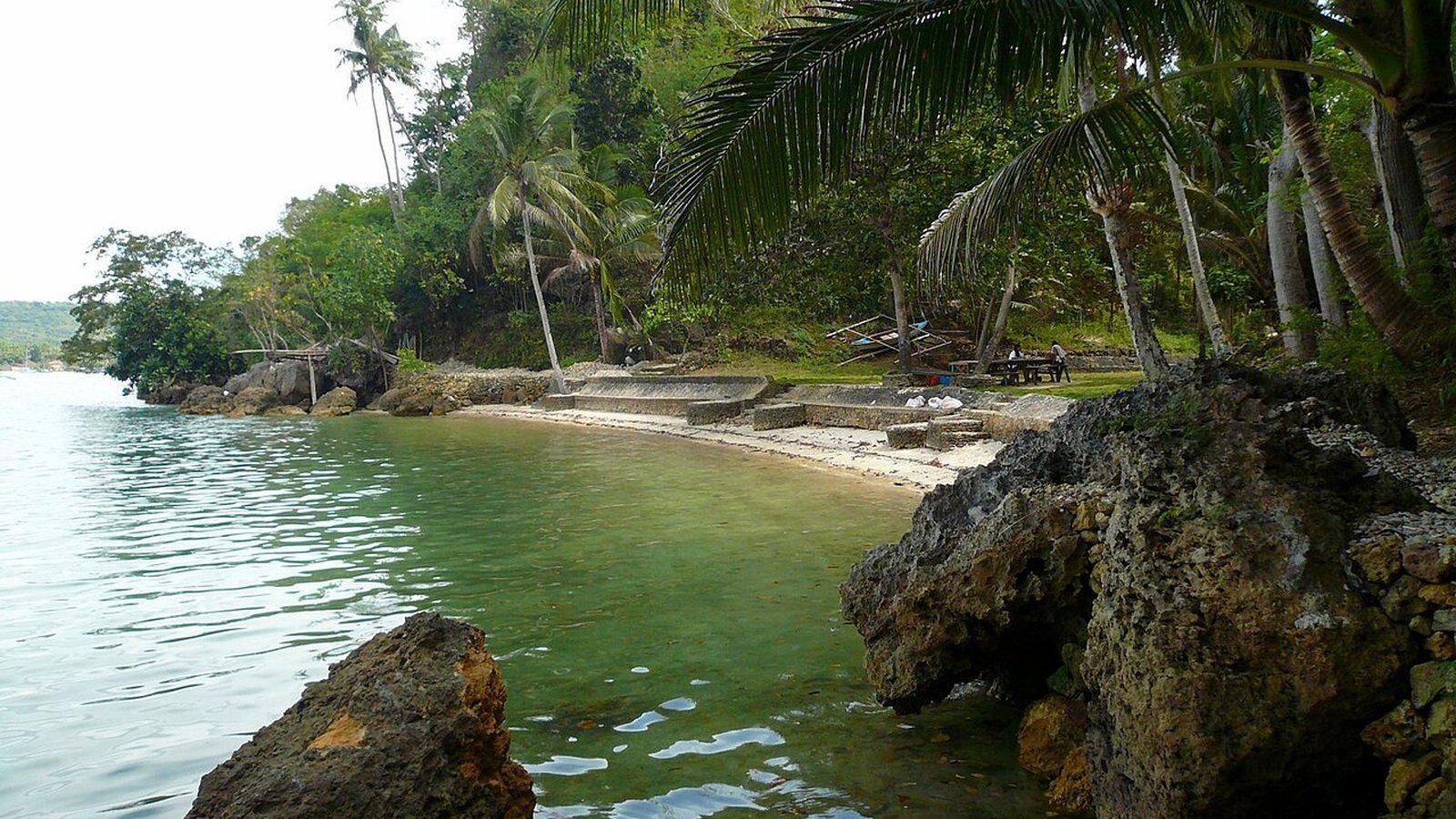
Illustrative photograph. Not a photograph of every location described below.
This guide focuses on Guimaras specifically for travelers already based in or passing through Iloilo who want a quiet, low-key island visit rather than a full Palawan- or Boracay-style trip. Guimaras sits close enough to Iloilo City for a day trip, but it rewards an overnight stay far more, and most of what makes it worth visiting has little to do with resorts and everything to do with mangoes, a working monastery, and beaches that stay genuinely uncrowded.
Research-based guide. Transport details and island facts draw on the Guimaras provincial government’s official travel information and published island records, not a single first-hand visit; confirm current boat schedules and prices before you travel, since port operators adjust these often.
Start Here: Getting to Guimaras from Iloilo
Guimaras is not reached by flight. You fly or travel overland into Iloilo City first, then cross a narrow strait by pumpboat from one of the wharves near Iloilo’s downtown river area to Jordan, Guimaras’s main port town. The crossing itself is short, commonly cited at around fifteen to twenty minutes, with boats departing through the day rather than on a single fixed timetable. A vehicle-carrying RORO ferry also runs between Iloilo and a port in Jordan for travelers brining a car or motorbike across, on a more limited daily schedule. Neither crossing needs to be booked far in advance outside of major local holidays, but arriving at the wharf with some flexibility in your morning is the easiest way to avoid waiting around.
Why Travelers Come to Guimaras
Guimaras’s single best-known export is its mango. The island is widely credited as the source of some of the sweetest mangoes grown in the Philippines, and locally grown fruit and mango-based products, from dried mango to mango wine, are sold throughout Jordan and at roadside stalls across the island. The annual Manggahan Festival, held in May around the start of harvest season, is built entirely around this reputation, with street parades, food stalls, and mango-eating competitions filling the towns for several days.
Beyond the fruit, Guimaras has stayed a working, lightly touristed island rather than a resort destination. Most visitors come either on a single long day trip from Iloilo, built around a van tour of the monastery, lighthouse, and a beach stop, or on a one- to two-night stay that allows time to actually relax rather than tick off sights on a schedule.
Guisi Lighthouse and the Trappist Monastery
Guisi Lighthouse sits on the island’s eastern tip, a Spanish-colonial-era structure now partly in ruin, reached by a short hike past an old rest house and a small chapel. It is one of the oldest lighthouses in the region, though published sources differ on an exact construction date, so treat any specific year you see quoted online with some caution. The setting, a bluff looking out over the strait toward Panay, is the real draw rather than the structure itself.
Closer to the island’s center, the Trappist Monastery, home to a community of contemplative monks, runs a small retreat house and a shop selling mango-based products and other goods the monks produce. Visitors are welcome to stop at the shop and the chapel, though this is a working monastery rather than a tourist attraction, so keep visits brief and quiet.
Nueva Valencia’s Beaches: Alubihod, Baras and Natago
The island’s main beach cluster sits in and around the municipality of Nueva Valencia, roughly thirty to forty minutes by tricycle or van from Jordan port. Alubihod Beach is the most developed of the group, with a run of small resorts and cottages along a cove of pale sand, and is the easiest to reach without arranging a private driver in advance. Nearby coves, often grouped under names like Baras and Natago, offer a quieter, more private version of the same coastline, with fewer facilities and correspondingly fewer people.
| What | Detail |
|---|---|
| Nearest gateway | Iloilo City (Iloilo International Airport), then a pumpboat from Iloilo to Jordan |
| Crossing time | Roughly 15–20 minutes by pumpboat; longer by RORO ferry |
| Known for | Mangoes, the Manggahan Festival, Guisi Lighthouse, Trappist Monastery |
| Beach base | Nueva Valencia (Alubihod and nearby coves), ~30–40 min from Jordan |
| Best for | A quiet day trip or short overnight from Iloilo, not a long resort stay |
Getting Around and Where to Stay
There is no public bus network to speak of on Guimaras. Most visitors hire a tricycle or a van with a driver for the day, either arranged at the Jordan wharf on arrival or booked ahead through a resort. A full-day van or tricycle tour covering the lighthouse, monastery, and a beach stop is the standard way to see the island’s main sights without needing to drive yourself.
Accommodation is almost entirely clustered around Nueva Valencia’s beaches, ranging from simple cottages to a handful of mid-range resorts; nothing on the island currently markets itself as true luxury lodging, which is itself part of what keeps Guimaras feeling unhurried. Travelers wanting a beach base with more resort infrastructure nearby sometimes pair a Guimaras day trip with a longer stay in Boracay or on the Cebu coast.
Best Time to Visit Guimaras
Guimaras follows the same dry- and wet-season pattern as most of the central Philippines: roughly December through May is drier and generally the more comfortable window for beach time and the lighthouse hike, while June through November brings a higher chance of rain and occasional typhoon disruption to boat crossings, broadly in line with PAGASA’s general climate pattern for the Philippines. If your main interest is the mango harvest and the Manggahan Festival specifically, plan around May, which sits at the tail end of the dry season and is also the island’s busiest stretch locally.
Because the Iloilo–Jordan crossing is short and frequent rather than a once-daily sailing, Guimaras is more forgiving of a late-notice trip than many of the more remote islands covered elsewhere on this site, such as the Calaguas Islands or Marinduque, both of which depend on a single daily sailing or a long boat charter rather than a frequent short hop.
Packing and Practical Notes
Bring cash: card payment is unreliable outside of Iloilo City itself, and small resorts, tricycle drivers, and roadside mango stalls on Guimaras generally expect it. A light rain layer is worth packing even in dry season, since brief showers can arrive without much warning on the crossing. If you plan to visit the Trappist Monastery, dress modestly, covering shoulders and knees, out of respect for what remains an active religious community rather than a sightseeing stop.
Mobile signal is generally reliable across most of the island, which makes Guimaras an easier short trip to combine with ongoing work than the more off-grid islands covered elsewhere on this site.
Guimaras works best as a deliberately slow add-on to an Iloilo trip rather than a standalone island holiday, and it is worth going in with that expectation rather than comparing it directly to a full resort island like Boracay. Confirm current boat schedules, resort availability, and festival dates directly before you travel, since small-island transport details like these change more often than guides can track.
Frequently Asked Questions
Can I visit Guimaras as a day trip from Iloilo?
Yes, and it is the most common way people experience the island: a morning pumpboat from Iloilo to Jordan, a van or tricycle tour of the lighthouse, monastery, and a beach stop, and a return crossing in the late afternoon. An overnight stay simply allows more unhurried beach time.
Do I need to book the Iloilo–Jordan boat in advance?
Generally no. Pumpboats run frequently through the day rather than on a single scheduled sailing, so most travelers simply show up at the wharf. Booking ahead matters more for the vehicle-carrying RORO ferry or around major local holidays.
Is Guimaras a good base for diving or snorkeling?
Not primarily. Guimaras is better understood as a beach, mango, and heritage-site visit than a dive destination; travelers focused on diving typically base themselves elsewhere on the Visayas coast instead.
What is the best month to visit for mangoes?
May, which coincides with the Manggahan Festival and the tail end of the dry season, is the most mango-focused time to visit, though mango products are sold on the island year-round.
Are there luxury resorts on Guimaras?
Not currently in the way the term is used for islands like Boracay or the Maldives. Accommodation on Guimaras is simple to mid-range, clustered around Nueva Valencia’s beaches, which suits the island’s low-key character.