Pohnpei Travel Guide: Micronesia’s Waterfall Island
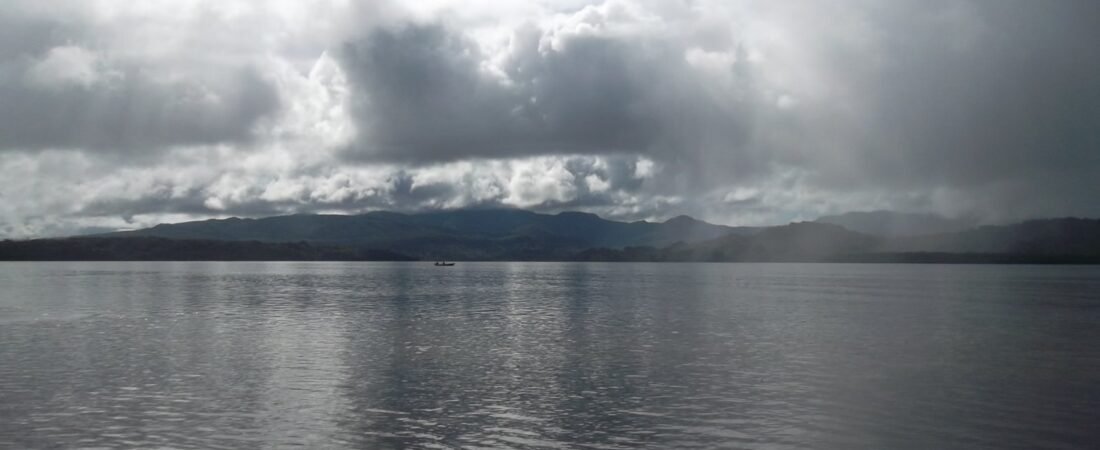
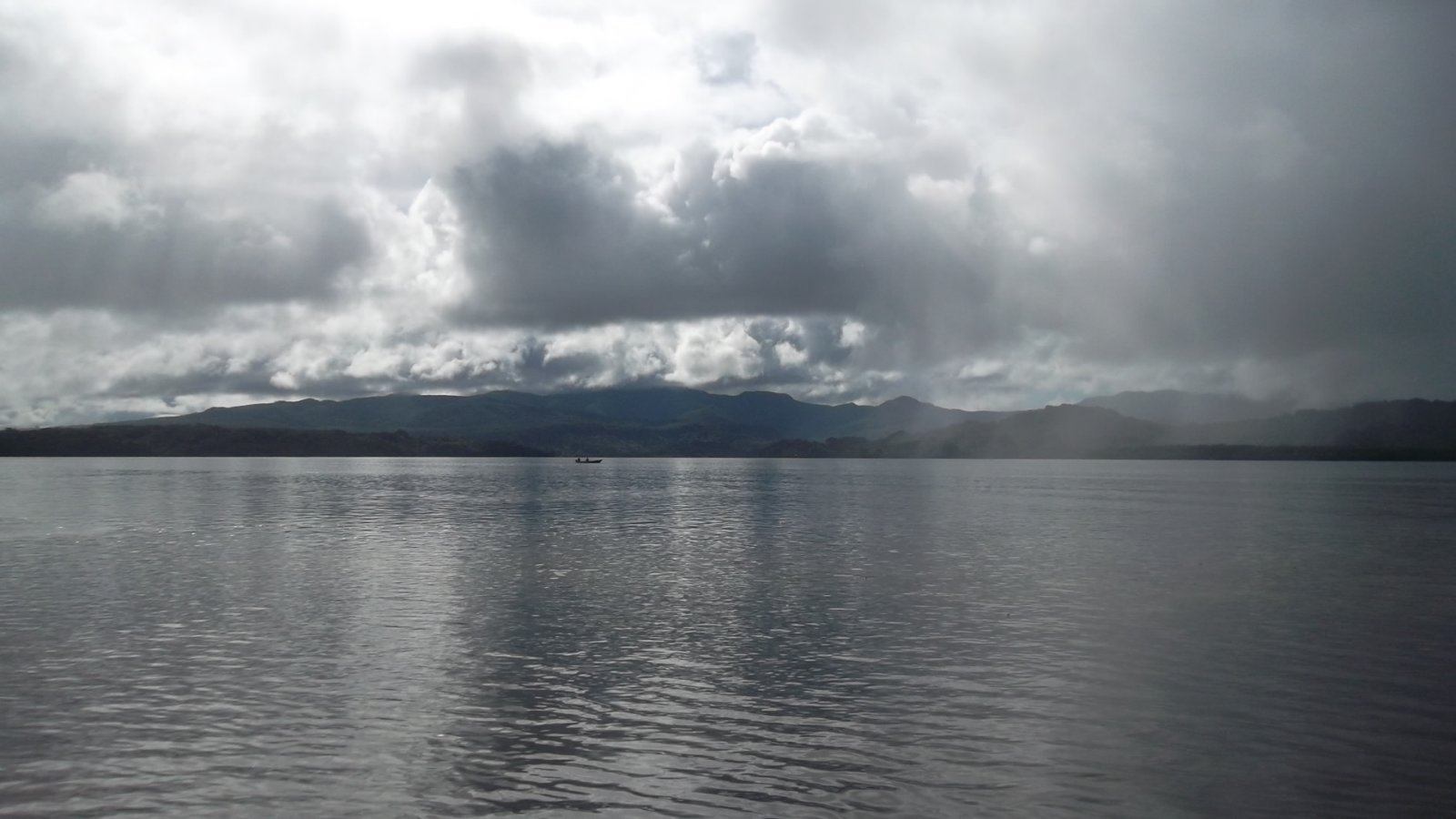
Illustrative island photograph. Not a photograph of the resorts compared below.
This guide focuses on Pohnpei specifically for off-grid adventure travelers who want an undeveloped Pacific island with ancient ruins, waterfalls and reefs, and almost no tourist infrastructure to get in the way. Pohnpei is the main island of the Federated States of Micronesia, and it rarely makes it onto a Pacific shortlist next to Fiji or Palau. That obscurity is the point: a 2026 visitor still finds empty trailheads, unclaimed surf breaks, and a megalithic city most of the world has never heard of. If you have already done the well-trodden Pacific islands and want somewhere genuinely under-visited, this is written for you rather than for a resort-and-pool honeymoon.
Research-based guide · Official and government sources checked October 2026. This is not a first-hand stay review or a ranking based on guest scores.
Where Pohnpei Sits in the Pacific
Pohnpei is one of the four states of the Federated States of Micronesia (FSM), roughly 2,500 miles southwest of Hawaii and 1,900 miles east of the Philippines. The island itself is a volcanic remnant ringed by a barrier reef and mangrove lagoon, with a wet, forested interior that rises to Nahnalaud at just over 2,500 feet. The CIA World Factbook entry for the FSM is a useful starting point for visa-free entry rules, currency (the US dollar) and basic infrastructure expectations before you book. Pohnpei state also includes several outer atolls, but almost all visitor activity happens on the main island around Kolonia, the state capital.
Nan Madol: The Pacific’s Megalithic Ruins
Nan Madol is a city of stacked basalt columns built on top of a man-made lagoon of nearly 100 artificial islets, constructed starting around the 12th century as the ceremonial and political seat of the Saudeleur dynasty, which ruled Pohnpei for several centuries before being overthrown. It is sometimes called the “Venice of the Pacific,” and it was inscribed as a UNESCO World Heritage Site in 2016, partly in recognition of its significance and partly because rising seas, mangrove overgrowth and unstable basalt columns put it on the List of World Heritage in Danger in the same year, a status it still holds. Local oral history holds that the stones were moved by magic, since no quarry sits near the site and the logistics of hauling columns weighing several tons across open water remain genuinely unexplained.
You reach the site by boat from Madolenihmw municipality, then walk and wade between islets at low tide; a local guide is the practical way to do this since channels flood fast and the site has no formal visitor center, ticket booth or marked paths. Unlike Angkor or Machu Picchu, there is no entry queue and often no one else there. That isolation is also the risk: bring water, reef shoes, sun protection and a guide who knows the tide tables, because the stonework and channels are genuinely difficult to navigate alone, and cell service disappears well before you reach the ruins.
Chasing Waterfalls in the World’s Wettest Spot
Pohnpei’s interior receives some of the heaviest rainfall on Earth, with parts of the island averaging over 300 inches a year, rivaling a handful of other contenders for wettest inhabited place on the planet. That rain feeds two standout waterfalls: Liduduhniap (actually twin falls, a short jungle walk from the road near Kolonia) and Kepirohi, a wide curtain fall near Nan Madol with a swimmable pool at its base and a small admission fee paid to the landowning family. Both are easy half-day additions if you are already heading toward Madolenihmw for the ruins.
Expect mud, humidity and mosquitoes in exchange for a waterfall you will likely have entirely to yourself. Sokehs Rock, a dramatic basalt cliff overlooking Kolonia and the lagoon, is the island’s best sunset and sunrise viewpoint and a moderate hike rather than a technical climb; it also marks the site of a short but significant 1911 uprising against German colonial administration, which local guides are generally happy to explain on the walk up.
Kolonia Town, Sakau Ceremonies and Pohnpei Pepper
Kolonia itself is a low-key town of a few thousand people, with the ruins of the old Spanish colonial wall, a handful of guesthouses, and a produce market worth an hour of browsing. The thing to actually seek out in the evening is a sakau bar: sakau is Pohnpei’s traditional drink, pounded from the root of a pepper plant related to kava, and drinking it with locals at a roadside sakau market is one of the more memorable low-cost cultural experiences anywhere in the Pacific. It has a mild sedative effect and an acquired taste, and etiquette (how the cup is passed, when you drink) is worth asking about rather than guessing.
Pohnpei is also internationally known among chefs and spice traders for Pohnpei black pepper, grown on small family farms and considered among the most prized pepper in the world for its aromatic heat; a visit to a pepper farm or at least buying a jar at the Kolonia market is a cheap, packable souvenir that actually represents the island rather than a generic tourist trinket.
Diving, Surfing and the Lagoon
Pohnpei’s barrier reef and channel passes see strong currents that attract pelagic fish and, at the right time of year, manta rays, making it a quieter alternative to better-known Micronesian dive hubs. Visibility and current strength vary a lot by pass and season, so book with a local dive operator who can read the day’s conditions rather than committing to a fixed itinerary in advance. If wreck and channel diving elsewhere in Micronesia is more your style, our Chuuk Lagoon wreck-diving trip planner covers the WWII fleet two islands over on the same flight route, and our guide to the best scuba diving seasons across Southeast Asian islands is useful for comparing visibility windows before you commit to flight dates. Divers coming from Indonesia’s dive circuit may also want our Raja Ampat liveaboard guide as a benchmark for what “remote and pristine” costs elsewhere in the Pacific, since gear, tanks and boat charters on Pohnpei are not cheap given everything is shipped in.
Pohnpei also has a legitimate reef break at Palikir Pass that occasionally draws surfers, though swell windows are narrow and there is no surf tourism industry, rental boards, or surf camp to speak of, so you are on your own for logistics, boat access and local knowledge of the break.
| Island | Known For | Best For | Getting There |
|---|---|---|---|
| Pohnpei | Nan Madol ruins, waterfalls, rainforest | History and jungle hikers | United Island Hopper |
| Kosrae | Untouched reefs, mangrove channels | Divers avoiding crowds | United Island Hopper |
| Yap | Resident manta rays, stone money culture | Cultural travelers and divers | United Island Hopper |
| Chuuk | WWII wreck diving in the lagoon | Wreck divers | United Island Hopper |
Getting to Pohnpei and Getting Around
Pohnpei is served by United Airlines’ “Island Hopper” route (Honolulu to Guam, stopping at Majuro, Kwajalein, Kosrae, Pohnpei, Chuuk and Yap), which is also the only practical way to combine several Micronesian islands in one trip without backtracking through Guam repeatedly. Flights are infrequent, often just a few times a week in each direction, so most visitors build an itinerary around the Hopper’s published schedule rather than the other way around, and it is worth booking the connecting legs together rather than piecing them out separately. On the ground, Pohnpei has one ring road, a handful of rental trucks, and almost no ride-hailing or metered taxis, so arranging a driver-guide through your accommodation before arrival saves a lot of friction, particularly for the Nan Madol boat connection.
Accommodation on Pohnpei is limited to a handful of small hotels and guesthouses around Kolonia, plus one or two resort-style properties on the lagoon; none of it is luxury by Pacific-island standards, and that is part of the appeal for travelers who have grown tired of infinity pools and all-inclusive bracelets. Book directly with the property by email or phone where possible, since online booking platforms have patchy coverage for Micronesian inventory, and confirm your arrival flight details so someone can meet you, as taxi stands do not reliably exist at the small airport.
Best Time to Visit Pohnpei
Pohnpei does not really have a dry season; it has a slightly-less-wet season from roughly January to April, when rainfall eases a little, river crossings are easier, and boat trips to Nan Madol are more reliable. Typhoons rarely hit Pohnpei directly because of its latitude just north of the equator, but surrounding Micronesian states are not immune, and inter-island flights on the Hopper route can be delayed by weather elsewhere on the route, so build a buffer day into any itinerary that depends on a tight connection.
Frequently Asked Questions
Do I need a visa to visit Pohnpei?
US citizens do not need a visa for the Federated States of Micronesia and can stay up to 30 days on entry; other nationalities should confirm current rules against the CIA World Factbook country page or the nearest FSM embassy before booking.
Can I visit Nan Madol without a guide?
Technically yes, but tides, unmarked channels and the need for landowner permission in parts of the site make a local boat guide the practical choice; most lodges on Pohnpei can arrange one with a day’s notice.
How many days do I need on Pohnpei?
Four to five days covers Nan Madol, both main waterfalls, a sakau evening and a day of diving or surfing without rushing; add extra days if you plan to continue to Kosrae or Yap on the same Island Hopper routing.
Is Pohnpei expensive to visit?
Flights are the main cost given the limited routing; once on the ground, guesthouses, local guides and food are inexpensive compared to Fiji or French Polynesia, though imported goods and dive equipment rentals cost more than you would expect.
What should I pack for Pohnpei’s rain and reef?
A rain shell, quick-dry clothing, reef shoes and strong insect repellent matter more here than anywhere else in Micronesia; our general Southeast Asia travel packing list covers most of the same humid-climate basics.