
Ternate and Tidore Travel Guide 2026: Spice Islands
Twin volcanic islands that once shaped the global spice trade.
TL;DR: Ternate and Tidore are twin volcanic islands in North Maluku that once controlled the world’s clove trade. Fly to Ternate via Jakarta, Makassar or Manado, spend two days on forts, crater lakes and lava fields, and one day on Tidore’s sultanate heritage. Accommodation is comfortable rather than luxurious.
Long before Bali became a holiday icon, two small volcanic islands in eastern Indonesia were among the most sought-after places on earth. Ternate and Tidore were the original Spice Islands, rival sultanates whose cloves drew Portuguese, Spanish and Dutch fleets halfway around the world.
This guide focuses on Ternate and Tidore specifically for history-minded travellers extending a luxury trip through eastern Indonesia. It is honest about the trade-offs: the islands reward curiosity rather than spa days, and accommodation is comfortable rather than five-star. Pair them with a higher-end stay such as the Banda Islands for a full Spice Islands journey.
Why Visit Ternate and Tidore
Few places pack so much global history into such a small area. In the 16th century, the Sultanate of Ternate allied with the Portuguese, while Tidore sided with Spain; the survivors of Magellan’s expedition reached Tidore in 1521 to load cloves. Later, the Dutch East India Company built forts to dominate the trade.
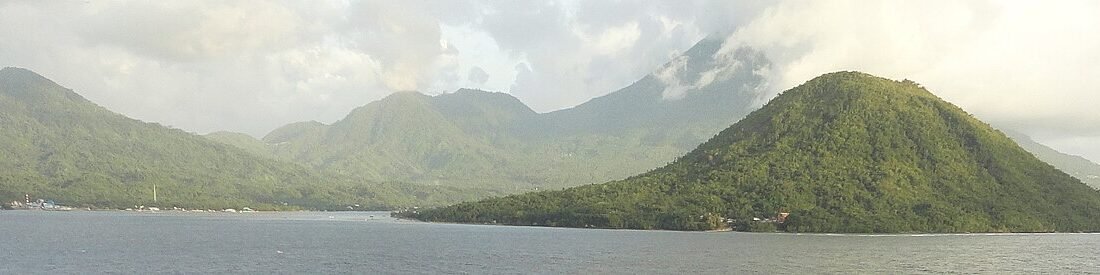
Today, both islands still have ruling sultans with ceremonial roles, and the landscapes are spectacular: near-perfect volcanic cones, crater lakes, black-sand beaches and coral reefs. Tourist numbers are low, so you often have forts and viewpoints to yourself.
- History: European forts, sultans’ palaces and old mosques.
- Landscape: Gamalama volcano on Ternate and Kie Matubu on Tidore dominate every view.
- Iconic view: the panorama of Tidore and tiny Maitara Island once appeared on Indonesia’s 1,000-rupiah banknote.
- Authenticity: a living spice-trade culture rather than a tourism resort scene.
For luxury travellers, the appeal is depth rather than polish. A private guide who can explain the rivalry between the sultanates, arrange palace visits and translate conversations with spice farmers transforms the experience. Ask your hotel or a reputable eastern Indonesia tour operator to arrange one before you arrive, as good English-speaking guides are few and are often booked by expedition cruise ships calling at Ternate.
Getting There and Getting Around
Ternate’s Sultan Babullah Airport receives domestic flights, typically via Jakarta, Makassar or Manado. From Ternate, speedboats to Tidore leave frequently from Bastiong harbour, taking around 10–15 minutes to Rum on Tidore’s north-west coast.
| Route | Mode | Approximate time | Notes |
|---|---|---|---|
| Jakarta – Ternate | Flight (often via Makassar or Manado) | 4–6 hours total | Morning departures connect best |
| Manado – Ternate | Direct flight | About 1 hour | Useful if combining with Bunaken or Lembeh |
| Ternate (Bastiong) – Tidore (Rum) | Speedboat | 10–15 minutes | Frequent departures in daylight |
| Around Ternate | Car with driver | ~45 km ring road | Island loop takes a few hours with stops |
| Ternate – Halmahera / Morotai | Flight or boat | Varies | Good onward options for divers |
Hiring a car and driver is the easiest way to explore. The ring road around Ternate is roughly 45 km, so you can loop the island in a day with time at each stop. On Tidore, drivers wait at Rum harbour.
When to go
Weather in Maluku does not follow the same pattern as western Indonesia. The calmer, drier months typically run from about September to March, when sea crossings are smoother and the volcano summits are more often clear of cloud. From roughly May to August, south-east winds can make boat trips rougher and bring more rain. Whatever the season, mornings are usually the clearest time for views and photos, so plan viewpoints and boat transfers early in the day.
Top Things to Do on Ternate
Forts and the Sultan’s Palace
Start in the city with Fort Oranje, built by the Dutch in the early 1600s and once the company’s regional headquarters. North of town, Benteng Tolukko is a compact Portuguese-era fort with sea views, while Fort Kalamata guards the strait facing Tidore. The Kedaton, the Sultan of Ternate’s palace, houses a small museum of royal regalia; visiting hours can be irregular, so ask your hotel to check.
Lake Tolire and Batu Angus
On the north-west coast, Lake Tolire is a deep crater lake ringed by cliffs and steeped in local legend. Nearby, the Batu Angus lava field — literally “burnt rock” — is a vast black landscape left by an 18th-century eruption, with Gamalama towering above.
Beaches and snorkelling
Sulamadaha Beach in the north has black sand and a calm cove next door that is excellent for snorkelling, with coral and reef fish close to shore. Bring your own mask for the best experience.
Spice heritage
Ask your driver to take you up Gamalama’s slopes to see clove and nutmeg gardens, including very old clove trees revered as living links to the spice trade.
A Day on Tidore
Tidore feels even quieter than Ternate. From Rum, drive south to Soasio, the old royal capital, where Kadato Kie — the Sultan of Tidore’s palace — was rebuilt in the early 2010s. Nearby, the Sultanate Museum holds historic manuscripts and ceremonial objects.
- Benteng Tahula: a Spanish-built hilltop fort with sweeping views over the sea and Halmahera.
- Benteng Torre: another Spanish-era fort ruin close to the palace.
- Coastal drive: villages lined with drying cloves and nutmeg in harvest season.
- Kie Matubu: fit travellers can hike Tidore’s volcano with a guide, ideally starting before dawn.
Plan to return to Ternate before dark, as speedboat services thin out in the evening. If you want more time, a homestay night in Soasio lets you see the palace district at sunrise, when fishermen return and the volcano is usually clear.
Food, Culture and Festivals
North Maluku’s cuisine is built on fish, sago and spices. Try papeda, a sticky sago porridge served with yellow fish soup (ikan kuah kuning) seasoned with turmeric and lime, and grilled fish with fiery dabu-dabu sambal. Ternate’s waterfront has evening stalls selling grilled seafood, and many cafés serve coffee spiced with cloves or cinnamon — a nod to the islands’ heritage.
Culture remains closely tied to the sultanates. Royal ceremonies, traditional dances such as the soya-soya war dance, and Islamic festivals bring communities together. If your visit coincides with the annual Legu Gam festival on Ternate, which celebrates the sultan with parades, music and cultural performances, expect a lively atmosphere and book rooms early.
- Ask before photographing people, especially in palace grounds and villages.
- Remove shoes when entering mosques and some palace rooms.
- Small gifts or purchases from local spice sellers are a welcome way to support the community.
Where to Stay: Comfort Over Luxury
Set expectations before you go: Ternate and Tidore do not yet have international luxury resorts. The best options are modern business hotels in central Ternate with air-conditioning, reliable Wi-Fi and harbour views, plus a few simple beachside guesthouses near Sulamadaha. Tidore has homestays and small local hotels.
- For comfort: stay in central Ternate near the waterfront, close to restaurants and the harbour.
- For atmosphere: a night at a beach guesthouse on Ternate’s north coast.
- For luxury: treat the islands as a two- or three-night cultural add-on and save your splurge for a liveaboard or resort elsewhere — see our Morotai luxury planning guide or our Raja Ampat luxury guide.
A sample three-day plan
- Day 1: arrive, visit Fort Oranje and the Kedaton, and watch sunset over Tidore and Maitara from the waterfront.
- Day 2: loop Ternate — Benteng Tolukko, Batu Angus, Lake Tolire and an afternoon swim at Sulamadaha.
- Day 3: speedboat to Tidore for the palace, museum and Benteng Tahula; return to Ternate for a seafood dinner.
Practical tips
- Dress modestly, especially at palaces and mosques; North Maluku is predominantly Muslim.
- Carry cash in rupiah: card acceptance is limited outside larger hotels.
- Learn a few words of Indonesian; English is less widely spoken than in Bali.
- Check volcanic alert levels before visiting Gamalama’s upper slopes.
- Allow buffer days for flights, which can be rescheduled at short notice in eastern Indonesia.
Key Takeaways
- Ternate and Tidore are the historic heart of the global clove trade, with forts, palaces and volcanoes.
- Fly to Ternate via Jakarta, Makassar or Manado; Tidore is a short speedboat ride away.
- Three days is enough for the highlights; add more for snorkelling or a volcano hike.
- Accommodation is comfortable rather than luxurious — plan your splurge elsewhere in eastern Indonesia.
- Combine with the Banda Islands or the Kei Islands for a full Maluku journey.
Further reading: Wonderful Indonesia, Indonesia’s volcano monitoring agency MAGMA Indonesia for Gamalama alerts, and the history of the islands on Wikipedia.
Frequently Asked Questions
How do I get to Ternate?
Fly into Sultan Babullah Airport in Ternate, usually connecting through Jakarta, Makassar or Manado. Tidore is then a short speedboat ride of around 10–15 minutes from Ternate’s Bastiong harbour.
Are there luxury hotels on Ternate or Tidore?
Not in the five-star resort sense. Expect comfortable, modern business hotels in Ternate city and simple, characterful guesthouses elsewhere. Many luxury travellers combine the islands with a higher-end stay in Raja Ampat, Banda or Morotai.
How many days do I need?
Three days covers Ternate’s forts, Lake Tolire, the Batu Angus lava field and a full day on Tidore. Add a day or two for snorkelling at Sulamadaha or a Gamalama hike.
Is it safe to hike Gamalama volcano?
Gamalama is an active volcano. Hikes are possible with a local guide when activity levels allow, but always check the latest alert level from Indonesian authorities before planning a climb.
When is the best time to visit?
The drier months from roughly September to March are usually best for sea crossings and clear views of the volcanoes, though weather in Maluku can be variable year-round.
About the Author
This guide was researched by the LuxStay editorial team — curating luxury island and Southeast Asia stays, updated regularly with on-the-ground verification.