
Zanzibar Spice Tour & Jozani Forest Guide
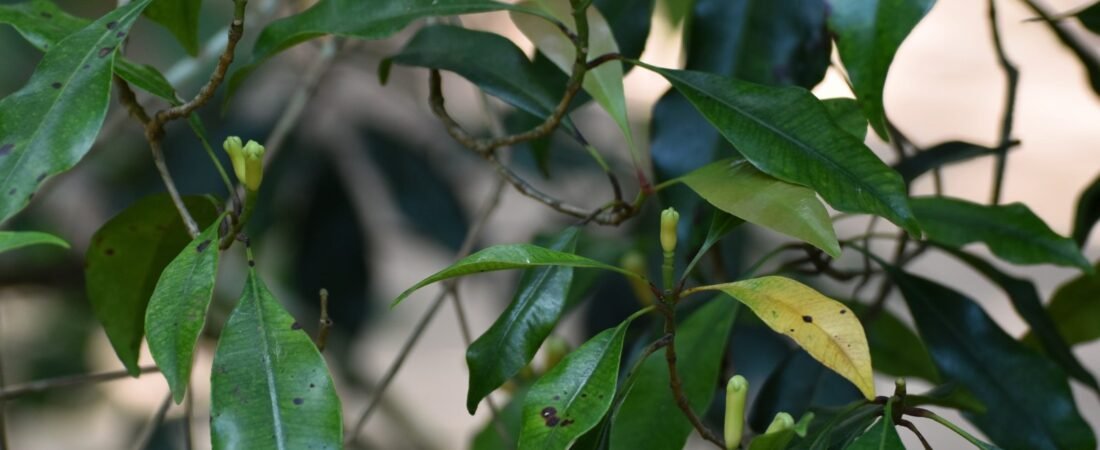
Illustrative inland photograph. See the half-day itinerary below.
Zanzibar earned its “Spice Island” nickname centuries ago, and a spice tour remains one of the most popular inland excursions, often paired with a stop at Jozani Forest to see the endemic red colobus monkey and walk through a quiet stretch of mangrove boardwalk. This guide focuses on Zanzibar’s spice tours and Jozani Forest specifically for travelers planning a half-day inland trip away from the beach, rather than covering the coast.
Itinerary guide · Compiled from conservation and tourism sources, last checked October 2026. Tour content, pricing, and forest access rules can change; confirm current details with your operator.
Why Zanzibar is called the Spice Island
Cloves, nutmeg, cinnamon, black pepper, vanilla, and cardamom were all grown commercially on Zanzibar at various points, with cloves in particular becoming a major nineteenth-century export that shaped the island’s economy and its ties to Oman and the wider Indian Ocean trade network. Commercial spice export has declined sharply since independence, but many smaller farms remain active, and some now operate specifically as tourist-facing spice tour sites. The Royal Botanic Gardens, Kew has documented the historical spread of clove cultivation from its Indonesian origins to Zanzibar in the eighteenth and nineteenth centuries, if you want more background on how the trade developed.
What a typical spice tour covers
Most tours last two to three hours and walk you through a working or demonstration farm, where a guide points out clove trees, vanilla vines, cinnamon bark, nutmeg, turmeric, lemongrass, and other crops growing in a mixed, shaded plot rather than a single-crop field. Guides typically invite guests to smell, touch, and sometimes taste small samples as they go, which makes the tour reasonably hands-on compared with a standard sightseeing stop.
Many tours end with a small market stall selling packaged spices, and some include a simple local lunch using spices from the farm. A few operators add a short demonstration of traditional uses, such as henna application using leaves grown on site.
A recurring, lighthearted feature of many tours is a guessing game: the guide hands you a leaf, bark strip, or unripe fruit and asks you to name the spice before it is revealed. It works well for families and groups and is a simple way to make an otherwise information-heavy walk more interactive, especially for children who might otherwise lose interest in a straightforward botanical explanation.
Booking: through a hotel or independently
Hotel tour desks can arrange a spice tour with transport included, which is the simplest option if convenience matters more than price. Independent operators in Stone Town often charge less for the same basic format, though quality and group size vary more, so checking recent reviews before booking is worthwhile.
Private tours cost more than joining a shared group but allow a more flexible pace and more direct conversation with the guide, which some visitors find worthwhile given how much of the experience depends on the guide’s knowledge and willingness to go beyond a scripted explanation.
Group size varies noticeably between operators. A smaller group, four to six people, generally allows more direct interaction with the guide and more time at each stop, while larger group tours can feel rushed, with less opportunity to ask questions. If reviews are available, checking recent ones for comments on group size and guide quality is more useful than price comparison alone, since the underlying route and crops shown are broadly similar across most operators.
Jozani Forest and the red colobus monkey
Jozani Chwaka Bay National Park, usually just called Jozani Forest, is Zanzibar’s main protected forest reserve and the most reliable place to see the Zanzibar red colobus, a monkey species classified as Endangered and found nowhere else in the world. Troops are habituated to visitors in the main viewing area, so sightings at reasonably close range are common, though guides ask visitors to keep a respectful distance and avoid feeding them.
Beyond the monkeys, the park includes a raised boardwalk through a mangrove forest ecosystem, offering a different, quieter stop after the more social spice farm visit. A ranger-guided walk is required to enter the main forest area, and entry fees support the park’s conservation work; the Zanzibar Commission for Tourism lists current park information for visitors planning ahead.
Combining both in one half-day
Jozani Forest sits roughly in the center-south of Zanzibar, making it a practical midpoint stop between Stone Town and the east coast, or a dedicated half-day trip from a north coast base with a longer transfer either way. Most combined itineraries visit the spice farm first, since it runs on a more flexible schedule, then move to Jozani for a timed ranger-guided walk.
Budget roughly half a day, four to five hours including transport, for a combined spice-and-Jozani itinerary from a north or east coast hotel. Starting in the morning avoids the heat of midday and gives the best chance of active monkey behavior, since they tend to be less active during the hottest hours.
Some operators also offer a third stop at a nearby cultural village or a short mangrove boat paddle near Jozani’s Chwaka Bay side, which extends the day closer to a full-day itinerary. Decide in advance whether you want the shorter, two-stop version or a fuller day, since adding a third stop changes the pricing and the time you get back on the beach, which matters if you have an afternoon swim or sunset dinner planned at your hotel.
What to wear and bring
Comfortable closed shoes suit both stops better than sandals, since farm paths and the forest boardwalk can be uneven or damp. Light, breathable clothing works for the heat, though covering shoulders is a reasonable default given Zanzibar’s conservative dress norms outside the beach resorts. Insect repellent is worth packing for the forest stop in particular.
Bring cash in small denominations for tips and any spice purchases at the farm stall, since card payment is unlikely to be available at either stop. A reusable water bottle and a hat help for the spice farm portion, which involves more direct sun exposure than the shaded forest boardwalk at Jozani, where the tree canopy keeps temperatures noticeably cooler through most of the walk.
Is it worth doing if you only have a few days?
If your trip is short and entirely beach-focused, a spice tour and Jozani Forest are easy to skip without feeling like you missed the destination’s core appeal. For a trip of five or more nights, or any stay that includes time near Stone Town, the half-day investment gives a meaningfully different perspective on Zanzibar beyond the coastline, at relatively low cost and effort.
Families traveling with children, and travelers who enjoy food, markets, and hands-on experiences over passive sightseeing, tend to get the most out of this itinerary. Travelers mainly focused on water sports or pure relaxation sometimes find the half-day better spent elsewhere, and that is a reasonable call too; neither stop is essential to a satisfying Zanzibar trip.
| Detail | Spice tour | Jozani Forest |
|---|---|---|
| Typical duration | 2-3 hours | 1-1.5 hours |
| Best booked through | Hotel desk or Stone Town operator | Park entry with ranger guide |
| Highlight | Hands-on crop samples and tastes | Red colobus monkey sightings |
| Good for | First-time visitors, families | Nature and wildlife interest |
| Combine with | Jozani Forest (same half-day) | A spice tour or east coast transfer |
Frequently Asked Questions
How long does a Zanzibar spice tour take?
Most spice tours run two to three hours, covering a walk through a farm plot with sample tastings, occasionally followed by a simple lunch or a small market stop to buy packaged spices, depending on the specific operator and package you choose.
Can you see the red colobus monkey anywhere else besides Jozani Forest?
Jozani Forest is by far the most reliable and accessible place to see Zanzibar red colobus monkeys, since the species is endemic to the island and the park’s habituated troops make sightings consistent for visitors; smaller, unhabituated populations exist elsewhere on Unguja but are far harder to find without a specialist guide.
Is a spice tour worth it if I am not interested in cooking?
Yes. Most visitors enjoy it as a sensory, hands-on walk through a working farm and a window into the island’s trading history, rather than a cooking-focused experience, so a general interest in food, nature, or history is enough to get genuine value from it.
Do I need to book Jozani Forest in advance?
Advance booking is not usually required for independent visitors, since ranger-guided walks run throughout the day, but confirming current hours and any group tour timing with your operator avoids arriving outside a scheduled walk, especially if you are visiting independently rather than as part of an organized tour.
Is Jozani Forest suitable for young children?
Generally yes. The main boardwalk and monkey viewing area involve gentle, short walking distances, though very young children should be supervised closely around the forest edge where paths are less even and monkeys may approach closer than expected.
Can I buy spices to take home from the tour?
Yes, most spice tours end at a small stall or shop selling packaged cloves, vanilla, cinnamon, and spice blends. Check your home country’s customs rules on bringing in plant products before you travel, since some countries restrict certain unprocessed spices, seeds, or other agricultural products.
Pair this half-day inland trip with our Stone Town city guide, the full Zanzibar travel guide for choosing a coast, and how to get around the island for transport options. Browse the wider Zanzibar hotel collection to plan the rest of your stay.