Best Things to Do in Camiguin
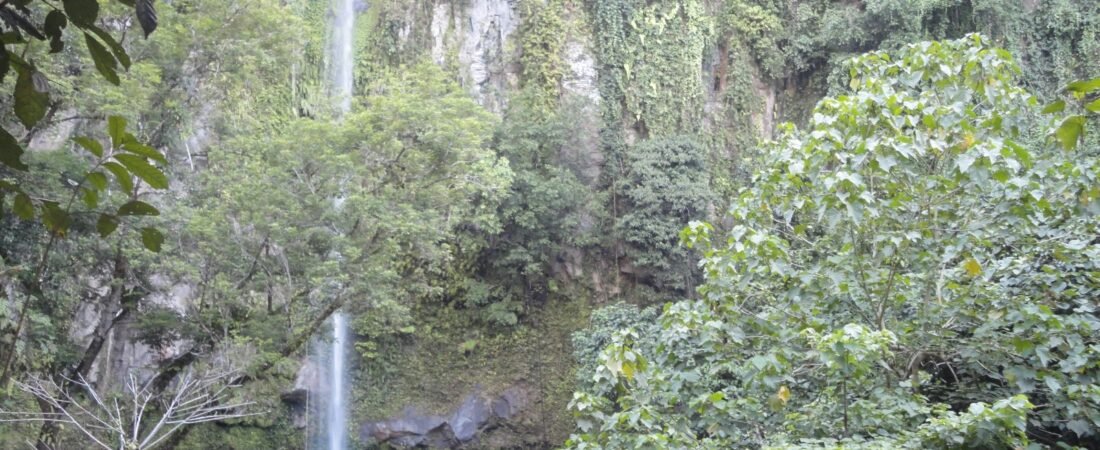
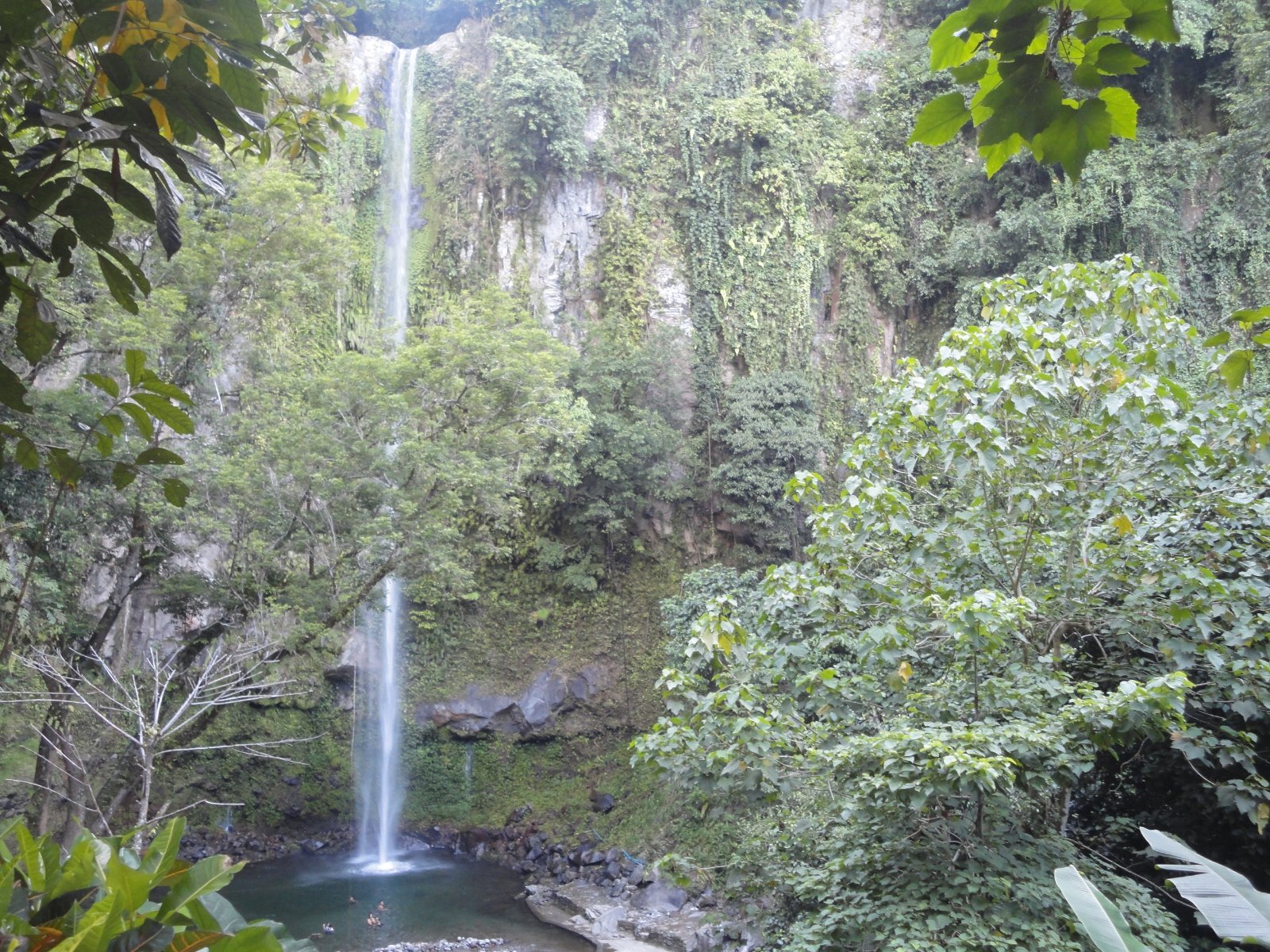
Illustrative view of Katibawasan Falls, Camiguin, Philippines. Not a photograph of any specific tour operator mentioned below.
Camiguin packs an unusual amount of variety into a small, volcanic island: a drifting white sandbar, waterfalls tucked into forested ravines, naturally heated and naturally cold springs, and a cemetery lost to the sea. Because the island’s ring road is only about 64 kilometers around, and traffic outside Mambajao town is generally light, it is entirely possible to string several of these together in a single day, though most visitors prefer to spread them across three or four days to avoid rushing, which also leaves room for simply relaxing at a beach resort between activities rather than treating the whole trip as a checklist.
This list focuses on Camiguin’s best activities specifically for first-time visitors deciding how to allocate a short trip, especially travelers who want a mix of easy sightseeing, light hiking, and time in the water without needing to be an experienced diver.
1. Visit the White Island Sandbar
White Island is Camiguin’s most photographed attraction: a bare, shifting sandbar a short outrigger-boat ride from Agoho, with no permanent vegetation and Mount Hibok-Hibok rising behind it. Boats generally leave from a handful of jump-off points along the north coast, and the trip out takes only a few minutes in calm weather. There is no shade or fresh water on the sandbar itself, so most visitors bring their own water, sun protection, and a beach umbrella if they plan to stay more than an hour. Early morning and late afternoon trips tend to offer the calmest water and the most flattering light for photos, while midday can get crowded with boats arriving from multiple jump-off points at once. Some boat operators also offer a combined stop at Mantigue Island on the way back, which is worth asking about when you book.
2. Snorkel at Mantigue Island
Mantigue Island is a small, forested island with a protected marine sanctuary, generally calmer and better for snorkeling than White Island thanks to its fringing reef. A modest entrance fee supports the sanctuary’s upkeep, and gear rental is usually available on site for travelers who did not bring their own mask and fins. The island’s small forest is also home to a resident colony of fruit bats, which is a modest but memorable bonus for visitors who take a short walk along the interior trail before or after snorkeling.
3. Chase Katibawasan Falls
Katibawasan Falls drops into a cool, tree-shaded pool a short and easy walk from the parking area near Mambajao, making it one of the most accessible waterfalls on the island. The water is cold enough to be genuinely refreshing after a hot morning of sightseeing, and the surrounding forest keeps the immediate area noticeably cooler than the coast. Because it sits close to the road, it works well as an early or final stop on a day that also includes Ardent Hot Spring or Sto. Niño Cold Spring, letting you experience three very different water temperatures, hot, cold, and refreshingly cool, within a short drive of each other.
4. Seek Out Tuasan Falls
Less visited than Katibawasan, Tuasan Falls involves a bit more walking to reach but rewards the effort with a taller cascade and a quieter setting. It is a good choice for travelers who have already seen Katibawasan and want a second waterfall stop without the same crowds, or for anyone who prefers a short, easy hike as part of their sightseeing. Sturdy, closed footwear is worth wearing here, since the path can be uneven and slightly slippery after rain, and hiring a local guide is a good option if you are unsure of the current trail conditions.
5. Soak in Ardent Hot Spring
Ardent Hot Spring sits at the base of Mount Hibok-Hibok and is naturally warmed by the volcano’s geothermal activity. Several pools of varying temperature let visitors choose their comfort level, from a gentle warm soak to noticeably hotter water closer to the source, and the spring is especially popular with local families in the early evening, which makes for a good people-watching stop alongside the soak itself. The pools are usually at their busiest around sunset, so arriving a little earlier in the afternoon can mean more space to yourself before the crowds build.
6. Snorkel or Dive the Sunken Cemetery
The Sunken Cemetery marks a village cemetery submerged after an 1871 eruption of Mount Vulcan, now identified by a large cross rising from the water near the shoreline. It is one of Camiguin’s most distinctive sites for snorkeling and freediving, combining a genuine piece of local history with reasonably healthy coral growth nearby. Boats for hire wait near the shoreline marker, and many visitors pair a short snorkel here with a stop at the nearby Gui-ob Church ruins, another site damaged by the same 1871 eruption, to round out the historical picture and get a fuller sense of how that single event reshaped the island.
7. Cool Off at Sto. Niño Cold Spring
As a counterpart to Ardent Hot Spring, Sto. Niño Cold Spring offers a shaded, naturally cold pool that many travelers pair with a hot spring visit on the same day for contrast. It is a low-key stop, popular with locals, and a good option on a hot afternoon between other sightseeing. Because it draws fewer visitors than the more famous hot spring, it also tends to feel calmer and more like a genuine local hangout than a tourist stop.
8. Try Camiguin’s Local Delicacies
Camiguin’s volcanic soil is well suited to lanzones, a sweet, translucent fruit that the island celebrates each October with the Lanzones Festival, and to guyabano (soursop), which turns up in local juices and sweets. Pastel, a soft bread roll with a sweet custard-like filling, is one of the island’s best-known specialties and a popular pasalubong (souvenir gift) to bring home from Mambajao’s bakeries. Local markets and roadside stalls are worth a browse too, particularly if your visit overlaps with the lanzones harvest, when fresh fruit is sold everywhere across the island at its cheapest and best, often directly from the farmers who grew it.
Camiguin Activities Compared
| Activity | Effort Level | Good For | Time Needed |
|---|---|---|---|
| White Island | Easy | Photos, swimming | 1–2 hours |
| Mantigue Island | Easy | Snorkeling | 2–3 hours |
| Katibawasan Falls | Easy | Sightseeing, cooling off | 45–60 minutes |
| Tuasan Falls | Moderate | Light hiking, quiet nature | 1.5–2 hours |
| Ardent Hot Spring | Easy | Relaxing | 1–2 hours |
| Sunken Cemetery | Easy to moderate | Snorkeling, diving, history | 1–2 hours |
Planning Your Camiguin Activity List
A common and efficient approach is to pair a hot destination with a cool one on the same day, such as White Island in the morning followed by Katibawasan Falls or Sto. Niño Cold Spring in the afternoon. Renting a scooter or hiring a habal-habal driver for a full day makes it easy to combine several stops along the ring road without backtracking, and most resorts can arrange a driver who already knows a sensible order to visit everything in without doubling back across the island. Combining a morning activity with an afternoon one and a relaxed dinner back at your resort is usually the most sustainable rhythm for a multi-day trip, rather than trying to pack in too much on any single day. For the fuller logistics of getting to the island and where to stay, see our complete Camiguin travel guide, and for seasonal planning, our guide to the best time to visit Camiguin covers when conditions are calmest for boat trips and diving.
Travelers comparing Camiguin against other Philippine islands may also want to see how it stacks up against a nearby alternative in our Camiguin vs Siquijor comparison, or browse our wider Siargao travel guide if a surf-focused island is also on the itinerary.
Booking guided tours a day or two in advance is generally sufficient on Camiguin, since the island is small enough that operators can usually accommodate last-minute requests outside of the busiest dry-season weeks and the October Lanzones Festival. If you are traveling as a couple, several of these activities, particularly the waterfalls and the hot and cold springs, also work well as a relaxed alternative itinerary to a more conventional honeymoon schedule, which our separate Camiguin honeymoon guide covers in more detail.
For background on the island’s volcanic geology relevant to sites like Ardent Hot Spring and the Sunken Cemetery, see the Wikipedia overview of Camiguin and current advisories from the Philippine Institute of Volcanology and Seismology. Official regional travel information is available from the Philippine Department of Tourism.
Frequently Asked Questions
What is the number one thing to do in Camiguin?
Most visitors rank the White Island sandbar as the must-see activity, thanks to its striking setting against Mount Hibok-Hibok.
Can I visit White Island and Mantigue Island on the same day?
Yes, many boat operators offer combined trips, though it makes for a fuller day, so confirm timing with your operator in advance.
Do I need diving experience to enjoy Camiguin’s water activities?
No. Snorkeling at Mantigue Island and the Sunken Cemetery requires no certification, and many of the island’s best spots are shallow enough for confident swimmers.
Are entrance fees required at Camiguin’s attractions?
Most natural attractions charge a small local entrance or environmental fee, generally modest by international standards, which typically goes toward upkeep and conservation, and it is worth carrying small bills in cash since change is not always available on site.
How many of these activities can I fit into one day?
With an early start and a hired scooter or driver, two to three stops in a single day is realistic, though spreading activities across three or four days is more comfortable.
Is Tuasan Falls harder to reach than Katibawasan Falls?
Yes, Tuasan Falls generally requires a longer walk and slightly more effort, which is also why it tends to be quieter than the more accessible Katibawasan Falls.