Best Beaches on Jeju Island 2026
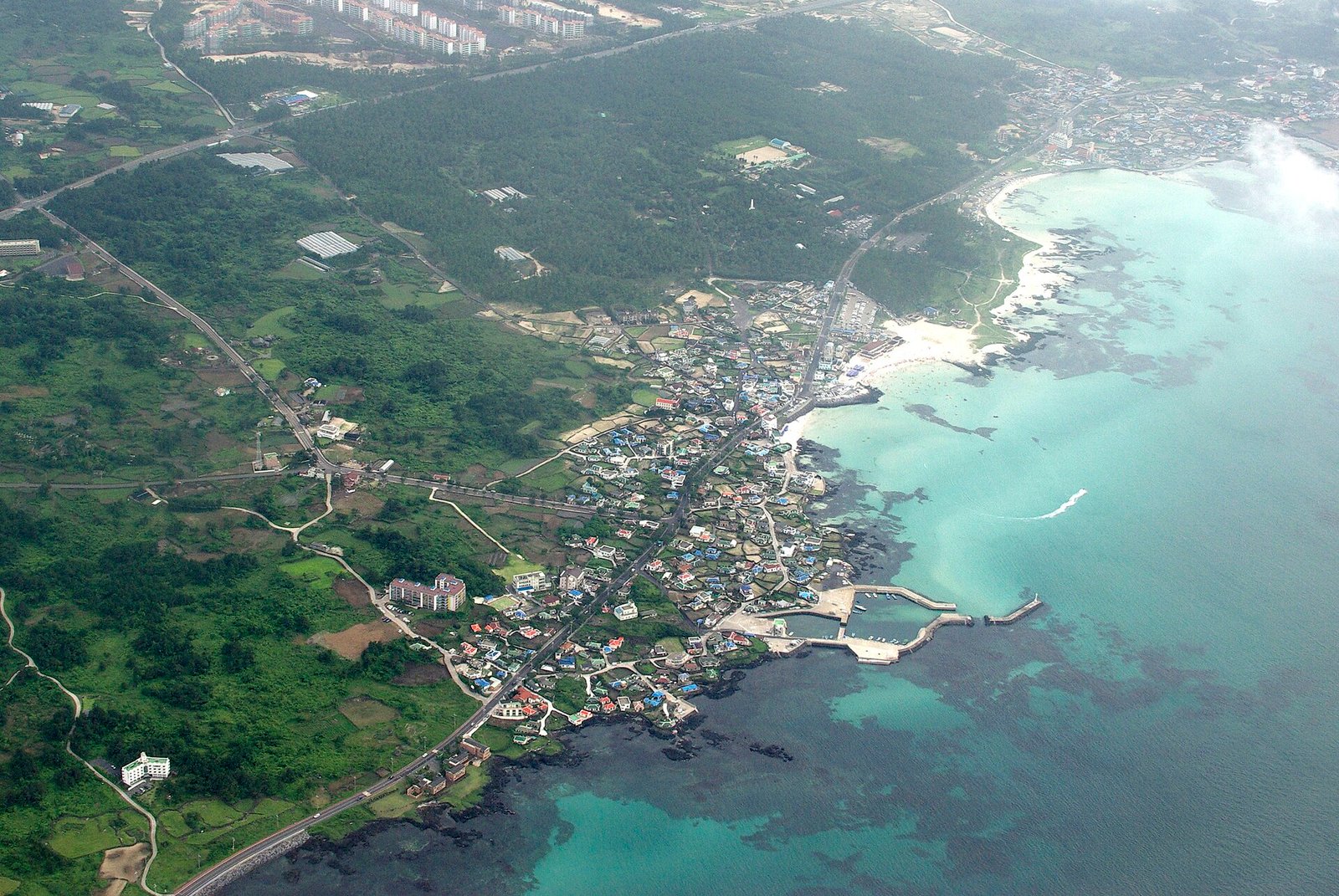
Photo: Naturehead (CC BY-SA 3.0) via Wikimedia Commons
Jeju is South Korea’s volcanic island, best known for Hallasan, lava tubes and coastal walking trails, but its beaches are a highlight in their own right: emerald shallows, black basalt rocks and white or even golden sand within an hour of each other. This guide focuses on Jeju’s beaches specifically for travelers planning a summer or shoulder-season trip who want to know which beaches are worth the drive, which suit swimming, surfing or simply a cafe with a sea view, and how to fit them into a short itinerary.
Research-based list · Beach details and swimming seasons checked against official Jeju tourism sources in October 2026. Lifeguard dates vary each year.
Quick picks
Best overall: Hyeopjae. Best for families: Hamdeok Seoubong. Best for surfing: Jungmun Saekdal. Best for cafes: Woljeongri. Best day trip: Udo Island’s Seobin Baeksa. Best near Jeju City: Iho Teu.
Jeju beaches at a glance
| Beach | Coast | Best for | Swim-friendly |
|---|---|---|---|
| Hyeopjae | West | Scenery, families | Yes, shallow |
| Geumneung | West | Quieter alternative to Hyeopjae | Yes |
| Gwakji | Northwest | Sunsets, Aewol cafes | Yes |
| Iho Teu | North | Near the airport, lighthouses | Yes |
| Hamdeok Seoubong | Northeast | Families, turquoise water | Yes, shallow |
| Gimnyeong | Northeast | Snorkeling, windsurfing | Yes |
| Woljeongri | Northeast | Cafes, beginner surf | In calm conditions |
| Pyoseon | Southeast | Wide tidal flats, walking | At high tide |
| Jungmun Saekdal | South | Surfing, resort area | When calm, with care |
| Seobin Baeksa (Udo) | Udo Island | Unique pale-stone shoreline | Yes |
West coast: Hyeopjae, Geumneung and Gwakji
1. Hyeopjae Beach
Hyeopjae is the beach that appears on most Jeju postcards. Fine white sand slopes gently into shallow water that glows emerald and turquoise on sunny days, and the cone-shaped islet of Biyangdo sits on the horizon. Shallow water makes it ideal for families, and the pine grove behind the sand is popular for picnics. Hallim Park is next door, so it is easy to combine both in a morning. Go early in July and August, when it gets crowded.
2. Geumneung Beach
Just south of Hyeopjae, Geumneung shares the same clear water and Biyangdo view but tends to be a little calmer and less busy. Black volcanic rocks break up the white sand, creating rock pools at low tide. If Hyeopjae is packed, walk over or park here instead.
3. Gwakji Beach
Near the cafe-filled village of Aewol on the northwest coast, Gwakji is a pretty, compact beach with a traditional spring-fed bathing area. It faces west, making it an excellent sunset stop, and the Aewol coastal road is lined with design-forward cafes with ocean views.
North and northeast: Iho Teu, Hamdeok, Gimnyeong and Woljeongri
4. Iho Teu Beach
The closest beach to Jeju City and the airport, Iho Teu is known for its pair of red and white lighthouses shaped like Jeju ponies. It is not the most beautiful sand on the island, but it is perfect for a first or last evening, with a seaside promenade and seafood restaurants nearby.
5. Hamdeok Seoubong Beach
Hamdeok is many visitors’ favourite. The water is a vivid turquoise, very shallow for a long way out, and the green hill of Seoubong rises at the eastern end, with a short walking trail for views over the bay. Facilities are good, including showers and parking, and there is a cluster of cafes and hotels.
6. Gimnyeong Beach
A little further east, Gimnyeong is a long, crescent beach of white sand mixed with shell fragments, set against black lava rock. Clear water makes it one of the better beaches for snorkeling on calm days, and it is a popular windsurfing and paddleboarding spot. The nearby village has an artsy, laid-back feel.
7. Woljeongri Beach
Woljeongri has become one of Jeju’s trendiest coastal spots, with a row of cafes facing small coves of pale sand and jade water. In the right conditions it is a beginner-friendly surf spot, and on calmer days it is good for paddling. It is as much about the atmosphere as the beach itself.
South and southeast: Pyoseon and Jungmun Saekdal
8. Pyoseon Beach
Pyoseon is a wide, shallow bay that empties into broad sandy flats at low tide and fills into a lagoon-like pool at high tide. It is a lovely place for long walks and suits families with small children at high tide. The Jeju Folk Village museum is nearby.
9. Jungmun Saekdal Beach
In the Jungmun resort area on the south coast, Jungmun Saekdal is backed by cliffs and lies close to several of Jeju’s largest hotels. It is the island’s best-known surf beach, with board rentals and lessons, but currents can be strong, so swim only between the flags when lifeguards are on duty. The Jusangjeolli basalt columns are a short drive away.
Udo Island: Seobin Baeksa Beach
10. Seobin Baeksa Beach
A short ferry ride from Seongsan Port, Udo is a small island famous for peanut ice cream, coastal cycling and its unusual beaches. Seobin Baeksa looks almost white from a distance; up close, the shore is made of small, rounded pale fragments formed from calcareous red algae rather than ordinary sand. The water is strikingly clear. Combine it with Hagosudong Beach and a sunrise climb of Seongsan Ilchulbong on the main island, part of the UNESCO World Heritage-listed Jeju Volcanic Island and Lava Tubes.
Bonus: Hwasun Golden Sand Beach
On the southwest coast, Hwasun stands out for its golden-toned sand, a change from the island’s white and black shores. It is close to Sanbangsan mountain and the Yongmeori coastal rock formations, so it fits neatly into a southwest sightseeing loop. A seawater pool area is popular with local families in summer.
Bonus: Sehwa Beach
Between Woljeongri and Seongsan, Sehwa is a small, photogenic beach with a weekend market nearby and fewer visitors than its famous neighbours. The water is clear and shallow on calm days, and the coastal road here is one of the prettiest on the island for a slow drive.
A one-day beach loop
If you only have one day for beaches, start early at Hamdeok Seoubong for a swim before the crowds, drive east for coffee at Woljeongri, then continue to Seongsan for an afternoon ferry to Udo and Seobin Baeksa. Alternatively, spend a west-coast day: morning at Hyeopjae and Hallim Park, lunch in Aewol, and sunset at Gwakji. Trying to cover both coasts in one day means more time in the car than on the sand, so pick one side of the island and enjoy it.
Couples and photographers should time west-coast visits for late afternoon, when the light turns the water a deeper emerald and Biyangdo is silhouetted against the sunset.
When to go and beach tips
Jeju’s designated beaches officially open for swimming, with lifeguards, during the summer season, generally around July and August, with exact dates announced by the local government each year. The sea is warmest from August into early September. Outside summer, the beaches are still beautiful for walking and photography, especially in late spring and autumn when crowds thin out. The official Visit Jeju site posts current opening dates.
- Rent a car: Jeju’s beaches are spread around the island, and buses, while reliable, are slow. International visitors need an International Driving Permit.
- Watch for jellyfish: in late summer, jellyfish can appear on some beaches; follow lifeguard advice and posted warnings.
- Respect the haenyeo: Jeju’s famous women divers still harvest seafood along the coast. Do not enter their marked working areas.
- Typhoon season: late summer and early autumn can bring typhoons, so keep plans flexible and monitor forecasts.
- Bring water shoes: volcanic rock edges many Jeju beaches, and water shoes make exploring rock pools far more comfortable for adults and children alike.
- Plan around the wind: on windy days, the north coast can be rough while the south is sheltered, and vice versa.
For broader trip planning, see the Korea Tourism Organization and our Jeju 4-day itinerary, which fits several of these beaches into a loop around the island.
Where to stay for beach days
Choose your base by the beaches you most want to visit. The west coast around Hallim and Aewol puts Hyeopjae, Geumneung and Gwakji on your doorstep. The northeast around Hamdeok and Gujwa is best for Hamdeok, Gimnyeong and Woljeongri, and is close to Seongsan for Udo ferries. The Jungmun resort area on the south coast has the largest luxury hotels and is central for Saekdal and the island’s southern sights. Our best luxury hotels on Jeju guide lists top options in each area, and couples should read our Jeju honeymoon guide. If you are comparing East Asian islands, our Okinawa snorkeling guide covers Japan’s warmer, coral-reef alternative.
Frequently Asked Questions
What is the most beautiful beach on Jeju Island?
Hyeopjae Beach on the west coast is usually rated the most beautiful, with white sand, shallow emerald water and a view of Biyangdo islet. Hamdeok Seoubong Beach in the northeast is a close rival.
When can you swim at Jeju beaches?
Jeju’s designated beaches officially open for swimming with lifeguards in summer, generally around July and August, with some opening in late June. Water is warmest from August to early September.
Which Jeju beach is best for families?
Hyeopjae and Hamdeok Seoubong suit families best thanks to shallow, calm water, fine sand and nearby facilities such as showers, cafes and parking.
Can you surf on Jeju?
Yes. Jungmun Saekdal Beach on the south coast and Iho Teu and Woljeongri on the north are the main surf spots, with board rental and lessons available when there is swell.
Is Udo Island worth visiting for beaches?
Yes. Udo, a short ferry from Seongsan Port, has unusual beaches such as Seobin Baeksa with its pale, rounded stone fragments, plus quiet coves and coastal cycling routes. It makes an excellent day trip.