Best Beaches and Things to Do in Amami Oshima
Ten beaches and experiences worth building a trip around
This guide focuses on the specific beaches and activities worth building an Amami Oshima itinerary around, for travelers who have three to five days and want a shortlist rather than an exhaustive directory of every cove on the island. The list mixes well-known highlights with a couple of quieter alternatives, roughly in the order you would encounter them on a loop of the island by rental car.
1. Honohoshi Beach
A striking pebble beach on the island’s southeast coast, Honohoshi is known for the sound of its smooth stones rolling in the surf — locally considered one of Japan’s notable natural soundscapes. It isn’t a swimming beach in the conventional sense, but it is one of the most photographed spots on the island and worth a stop even on a driving loop.
The best time to visit is an hour either side of low tide, when more of the stone shelf is exposed and the rolling sound is most pronounced; parking is limited to a small gravel lot, so arriving early on weekends avoids a short wait.
2. Mangrove Primeval Forest Park (Sumiyo)
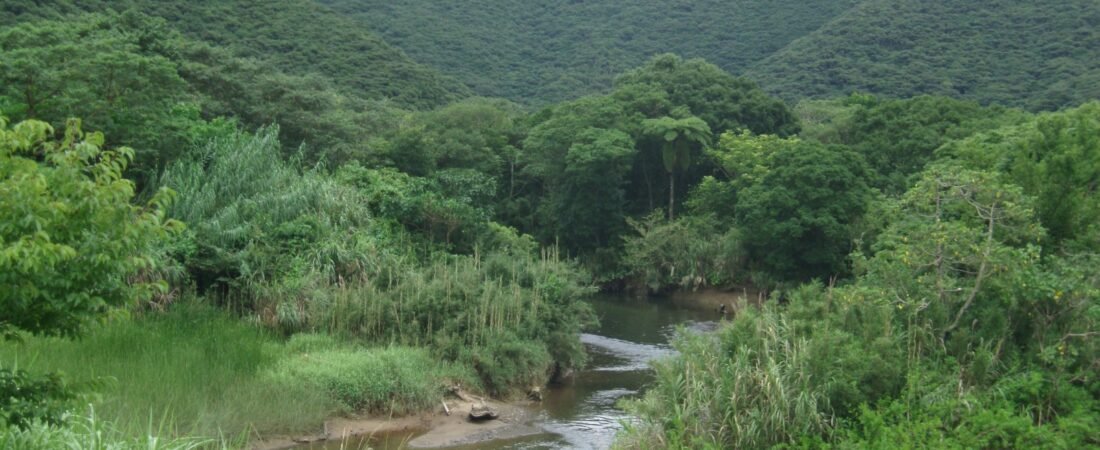
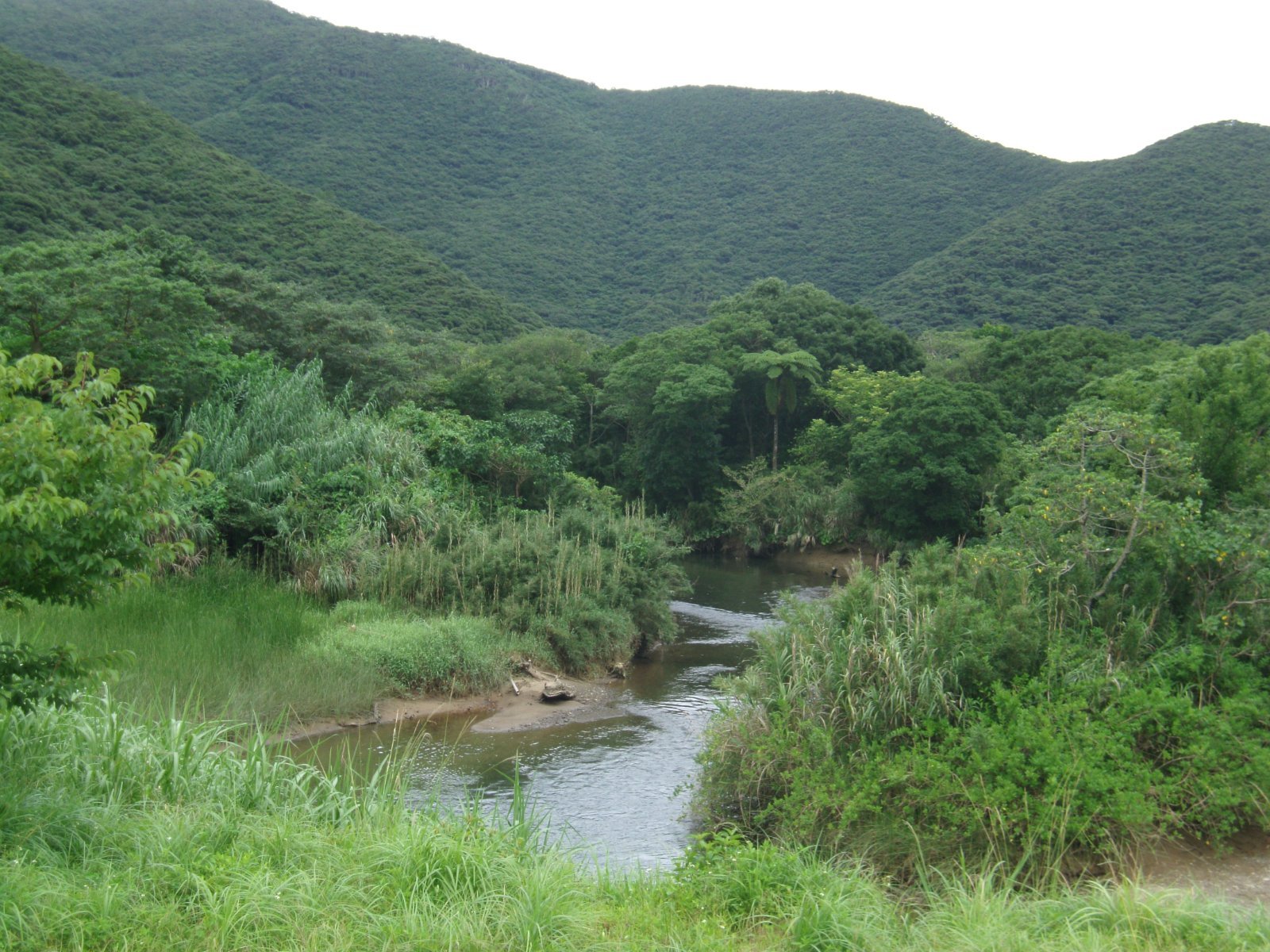
The second-largest mangrove forest in Japan, reachable by kayak or SUP from a put-in point near Sumiyo. Guided tours run a few hours and are suitable for beginners, winding through narrow channels between mangrove roots with a good chance of spotting fiddler crabs and herons along the way.
Several operators run both morning and sunset departures; sunset tours add a premium but are worth it for photography, since the low light through the mangrove canopy is markedly better than the flatter midday sun.
3. Tomori Beach
A calmer, sandier option than Honohoshi, Tomori is popular for swimming and sits close enough to Naze for an easy half-day trip without needing to drive the length of the island. Facilities are basic — a small parking area and limited shade — so bring your own umbrella or sun shelter if you plan to stay more than an hour or two.
4. Ohama Beach Diving and Snorkeling
One of the more accessible reef entry points for snorkelers, with coral visible close to shore on calm days. Experienced divers typically head slightly further out with a local operator for better coral coverage and a chance of sea turtle sightings, and most guesthouses on the southern coast can arrange a booking directly.
5. Kakeroma Island Day Trip
A short local ferry from Amami’s southern coast reaches Kakeroma, a smaller, even quieter island with its own beaches and a handful of small settlements. It works well as a half-day or full-day add-on for travelers who want to say they’ve gone one step further off the beaten path than Amami itself, and the island’s few small cafes make for an easy, unhurried lunch stop.
6. Amami Oshima Tsumugi Village
A cultural stop rather than a beach, this is where visitors can see the traditional dyeing and weaving process behind Oshima tsumugi silk, including the distinctive mud-dyeing technique that gives the fabric its deep color. Short hands-on weaving demonstrations are sometimes available for a small fee, and the on-site shop sells finished pieces that make a genuinely unique souvenir compared with typical airport gift-shop items.
7. Yuwandake and the Interior Rainforest Trails
For a change of pace from the coast, a handful of marked trails climb into the UNESCO-listed subtropical forest interior, with a chance of spotting the endemic Amami rabbit at dusk (most active and most often seen on quiet guided night walks rather than daytime hikes). Daytime hikers should still expect humid, buggy conditions even in cooler months, so insect repellent and good footwear matter more here than on the coast.
8. Naze Harbor and Evening Izakaya
Not a nature attraction, but a practical and enjoyable way to end a day: Naze’s small harbor area has several izakaya serving keihan and fresh local fish, and weekend evenings sometimes bring live shima-uta folk singing. It is also the most reliable place on the island to find a restaurant open late, since options elsewhere close early outside the main town.
9. Kuroshio no Mori Reef Snorkeling
A slightly less-visited alternative to Ohama for snorkelers who want fewer other visitors in the water; access is a short walk from a roadside pull-off rather than a developed beach, so bring your own gear or rent in Naze before heading out.
10. Amami Park and Nature Centers
A good rainy-day backup, with exhibits on the island’s endemic wildlife, geology, and the UNESCO designation itself — useful context to have before heading into the rainforest trails, and a sensible way to fill a few hours if a typhoon warning keeps you off the water.
| Activity | Best for | Time needed | Season to avoid |
|---|---|---|---|
| Honohoshi Beach | Photography, short stop | 30–45 min | None — good year-round |
| Mangrove kayaking | Families, first-timers | Half day | Avoid during active typhoon warnings |
| Ohama snorkeling/diving | Divers, snorkelers | Half day | Winter (water too cool for most) |
| Kakeroma day trip | Slow travel, repeat visitors | Half to full day | Rough seas in typhoon season |
Where to Rent Gear
Naze has the island’s main outdoor rental shops, covering snorkel sets, kayaks, and reef shoes by the day; booking ahead in summer is sensible since the small supply of rental gear can sell out on weekends. Most mangrove kayaking tours include gear in the tour price, so a separate rental is only needed if you plan to explore independently rather than with a guide. Dive gear for Ohama or Kuroshio no Mori is best arranged through a guesthouse-affiliated operator rather than a generic rental counter, since most shops expect a certified diver to book through an operator who can also act as a guide.
Planning the Order
A sensible 3-day loop starts with Tomori Beach and Naze on day one, moves to Sumiyo for mangrove kayaking and Honohoshi on day two, and finishes with Ohama diving or a Kakeroma day trip on day three. A fourth or fifth day leaves room to add the tsumugi village, a rainforest trail, and the lesser-known Kuroshio no Mori snorkel spot without feeling rushed.
Travelers wanting the full practical logistics — flights, car rental, and where to stay should pair this list with our main travel guide, and check the seasonal guide before locking in dates, since several of these activities are weather-dependent.
For context on how this lineup compares to a better-known island, our Amami vs Okinawa comparison and the Ishigaki luxury resorts guide are useful references if you are still deciding between destinations, and the Yaeyama Islands hopping guide is a reasonable model for how to structure a multi-stop island itinerary if you want to add a second destination to the same trip.
A Note on Conservation
Several of these sites sit inside or near the UNESCO World Heritage zone, and local guides ask visitors to stay on marked trails and avoid touching coral or handling wildlife, including the protected Amami rabbit. The Kagoshima Prefecture Tourism publishes current guidance on which trail sections require a licensed guide, and the rules are enforced more strictly than on islands with a longer tourism history, since the designation is still relatively recent.
None of this makes the island harder to enjoy — if anything, the lighter visitor footprint is a large part of why these beaches and trails still feel undeveloped — but it is worth building a little extra planning time into a trip that includes the rainforest interior rather than assuming you can simply walk in unguided.
Frequently Asked Questions
What is the best beach on Amami Oshima?
Honohoshi is the most distinctive for its rolling-pebble sound, while Tomori Beach is the better choice for actual swimming.
Is mangrove kayaking on Amami Oshima suitable for beginners?
Yes, most guided tours from Sumiyo are beginner-friendly and run a few hours with calm water conditions.
Can you see the Amami rabbit on a day trip?
It is possible but not guaranteed; the rabbit is nocturnal and most often spotted on dedicated evening guided walks.
How do you get to Kakeroma Island?
A short local ferry runs from Amami’s southern coast; check current timetables locally since sailings are limited.
Do you need a guide for the rainforest trails?
Some sections inside the UNESCO zone require a licensed guide; check current rules before setting out.