Best Luxury Hotels in Buenos Aires, Argentina 2026 — The Paris of South America
Buenos Aires delivers European-standard luxury at extraordinary value. The Park Hyatt Palacio Duhau, Faena Hotel, and Alvear Palace define one of the world's great hotel cities. The definitive guide.
TL;DR: For most luxury travellers, Recoleta is the classic Buenos Aires base, Palermo suits food-focused and design-minded stays, and Puerto Madero works for modern waterfront hotels. Plan three to four nights, visit in spring (September–November) or autumn (March–May), and check current payment and exchange arrangements before you travel.
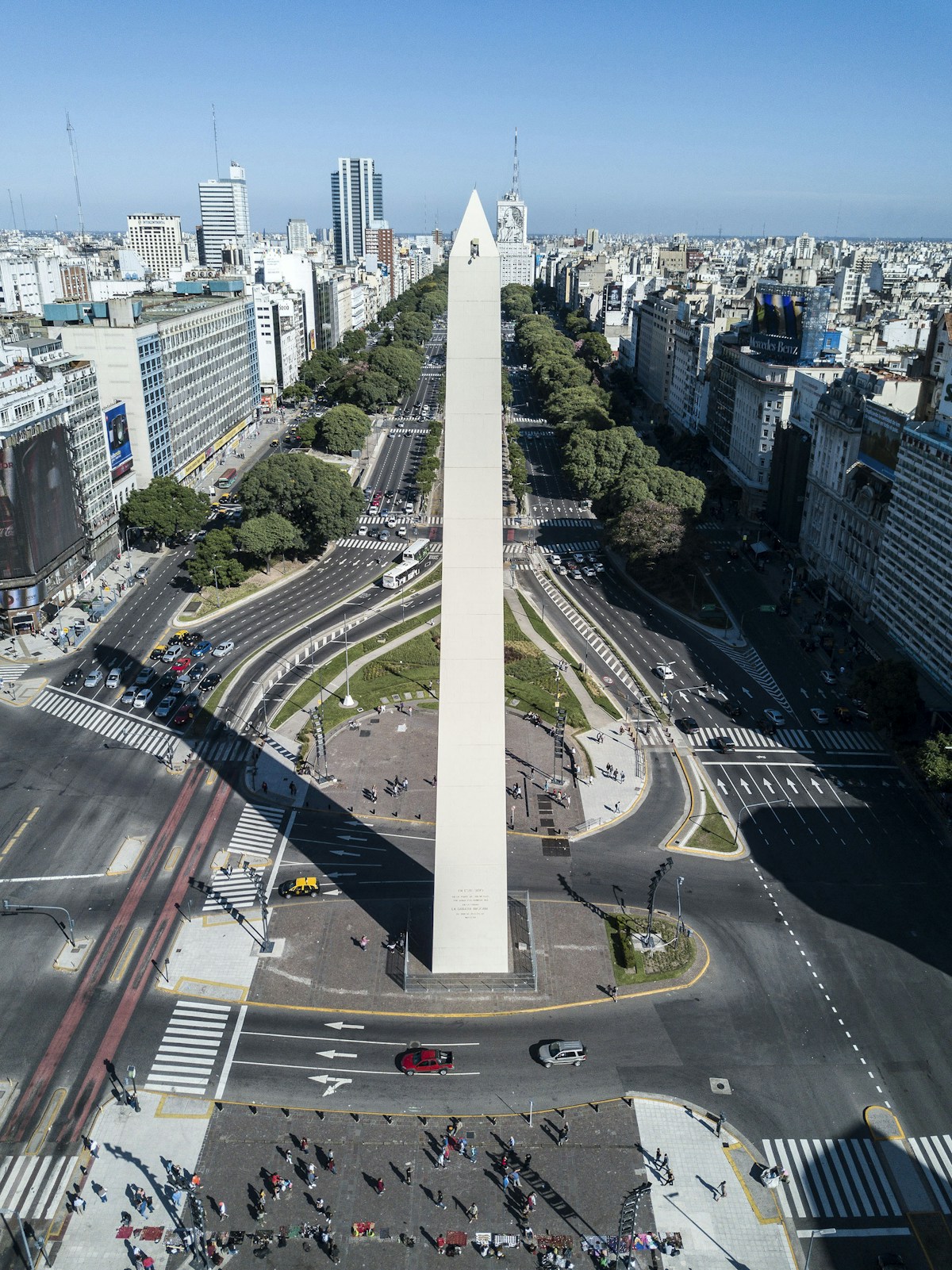
Buenos Aires earns its “Paris of South America” title through genuine cultural density: 90 world-class steakhouses (parrillas), the Teatro Colón (one of the world’s five greatest opera houses), tango milongas in every neighbourhood, a café culture rooted in the 1880s Italian immigration wave, and wide Haussmann-influenced boulevards lined with European-style apartment buildings and jacaranda trees. The hotel scene — anchored by the Park Hyatt Palacio Duhau and Faena Hotel — delivers European luxury standards at prices that are, even accounting for Argentina’s economic volatility, among the world’s best value in luxury travel.
Why Buenos Aires for Luxury Travel?
Argentina’s peso fluctuations have, paradoxically, made Buenos Aires one of the world’s great-value luxury destinations for dollar and euro holders. The cultural programme is extraordinary: the Teatro Colón (opened 1908) has acoustics ranked by international conductors alongside La Scala, Vienna State Opera, and Royal Opera House — and ticket prices are a fraction of European equivalents. The steak culture — centred on the asado (wood-fire grill) and parrilla — is the finest beef experience in the world, with Angus and Hereford cattle raised on Pampas grassland producing meat unmatched in marbling and flavour. Malbec from Mendoza (3 hours by plane) and Torrontés from Salta are the natural wine companions. The tango — declared an Intangible Cultural Heritage by UNESCO — is best experienced in Palermo’s neighbourhood milongas rather than tourist shows.
The 5 Best Luxury Hotels in Buenos Aires 2026
1. Park Hyatt Buenos Aires — Palacio Duhau
Location: Recoleta | Price: From €250/night
The finest hotel in Buenos Aires and one of the great hotels of Latin America — the Park Hyatt occupies the 1934 Palacio Duhau (a French-style palace built for the Argentine aristocracy) and a connected modern tower, linked by a subterranean gallery of contemporary Argentine art. 165 rooms and suites; the Duhau Restaurante & Vinoteca serves Argentine cuisine with the finest Malbec cellar in Buenos Aires (4,000 bottles, spanning every major Argentine wine region); the Ahin Spa; and the most beautiful hotel garden in the city (a private walled garden surrounding the palace). World of Hyatt full benefits apply.
Best for: World of Hyatt members; the Palacio Duhau architecture (Argentine Belle Époque); the Duhau Vinoteca (finest Argentine wine programme in any hotel); Recoleta neighbourhood access; couples and honeymoons
2. Faena Hotel Buenos Aires
Location: Puerto Madero | Price: From €300/night
The most talked-about hotel in Buenos Aires — Faena was created by fashion entrepreneur Alan Faena and designed by Philippe Starck in 2004 in a converted 1902 grain storehouse in Puerto Madero. 110 rooms and suites; the El Bistró and Los Fuegos restaurants; the Faena Spa; and the Faena Arts Center (hosting international contemporary art exhibitions year-round). Faena Hotels is independently owned with no loyalty programme — the experience is the draw. The red-velvet-and-gold design aesthetic (Starck’s maximalist signature) is the polar opposite of the Palacio Duhau’s restrained classicism — two visions of Buenos Aires luxury.
Best for: Design and fashion-forward travellers; Philippe Starck architecture; the Faena Arts Center; nightlife (the most active social scene of any BA hotel); Puerto Madero waterfront; guests who want something theatrical
3. Alvear Palace Hotel
Location: Recoleta | Price: From €220/night
The most historic luxury hotel in Buenos Aires — the Alvear Palace opened in 1932 and has hosted every visiting dignitary, rock star, and head of state since. 210 rooms and suites in Louis XV French style; L’Orangerie (the finest afternoon tea in Buenos Aires, an institution for the Recoleta elite); the Alvear Spa; multiple dining options. Alvear Palace is independently Argentine-owned — no international loyalty programme, but the hotel’s own Alvear Club offers repeat-guest privileges. The Alvear is the heart of Recoleta society — the Cementerio de la Recoleta (Evita Perón’s tomb) is a 5-minute walk.
Best for: Historic luxury; the classic Buenos Aires grand hotel experience; afternoon tea at L’Orangerie; Evita/Recoleta cemetery proximity; guests who want Argentine-owned independent luxury; the most traditional hotel in the city
4. Palacio Duhau — Park Hyatt Buenos Aires (Residences)
Location: Recoleta | Price: From €280/night (Residence suites)
See Park Hyatt above — the Palacio wing’s historic suites (numbered in the 400s, occupying the original 1934 palace rooms) deserve separate mention for their original coffered ceilings, marble bathrooms, and garden-facing terraces. The garden-level suite terrace experiences in the Palacio wing are the finest in any Buenos Aires hotel.
5. Fierro Hotel Buenos Aires
Location: Palermo Soho | Price: From €180/night
The finest boutique hotel in Buenos Aires — Fierro’s 27 suites in the heart of Palermo Soho deliver contemporary Argentine design (local architects and artisan furniture makers throughout), a rooftop pool and bar, and access to the city’s best restaurant neighbourhood. The in-house breakfast (Argentine medialunas, dulce de leche, freshly squeezed citrus) is the finest hotel breakfast in the city. Small Luxury Hotels membership. The Palermo Soho location — surrounded by Argentina’s finest independent restaurants, fashion boutiques, and tango venues — is the city’s most liveable neighbourhood.
Best for: Boutique travellers; Palermo Soho neighbourhood access (best restaurants in Buenos Aires); rooftop pool; contemporary Argentine design; guests who prefer residential neighbourhoods over Recoleta’s hotel district
Buenos Aires Neighbourhood Guide
| Neighbourhood | Character | Key Draws |
|---|---|---|
| Recoleta | Aristocratic, grand hotels, museums | Cementerio Recoleta, MALBA, Fine Arts Museum |
| Palermo Soho/Hollywood | Boutiques, restaurants, nightlife | Best independent restaurants, tango venues, parks |
| Puerto Madero | Waterfront, modern, Faena | Faena Hotel, ecological reserve, Calatrava bridge |
| San Telmo | Colonial, antiques, tango milongas | Sunday antiques market, authentic milongas, street art |
| Microcentro | Business, historic centre | Casa Rosada, Plaza de Mayo, Teatro Colón |
| Belgrano | Residential, Chinatown | Local neighbourhood life, Chinatown (Barrio Chino) |
Buenos Aires Must-Experiences
- Teatro Colón: Book tickets for opera, ballet, or classical music 2–3 months ahead for peak season (April–November). Guided tours are available daily. Teatro Colón box office — category seats from ARS 8,000 (€8–12 at parallel rate) represent the world’s greatest concert hall value.
- La Cabrera Parrilla: The finest neighbourhood parrilla in Palermo — order the bife de chorizo (sirloin), the mollejas (sweetbreads), and the provoleta (grilled provolone). Queue at 7pm or book ahead; the 45-minute wait is worth it. No website — just show up at Cabrera 5099, Palermo.
- Cementerio de la Recoleta: One of the world’s great cemeteries — the mausoleums of Argentine aristocracy (Evita Perón’s tomb draws the most visitors), extraordinary Art Nouveau and Art Deco funerary architecture. Buenos Aires Tourism provides free guided tours on weekends.
- Milonga at Club Gricel: The most authentic tango milonga in Buenos Aires — a 1940s social club in San Telmo where locals (not tourists) dance until 4am. Dress code: formal. Thursday–Sunday from midnight. Free beginner lessons from 10pm. Club Gricel.
Getting to Buenos Aires
Ministro Pistarini International Airport (EZE — Ezeiza): 35km from the city centre. Aerolíneas Argentinas is the national carrier. Authorised taxi from EZE to Recoleta approximately USD 30–40 (fixed rate — agree before). Transfer time 45–75 minutes depending on traffic. Aeroparque Jorge Newbery (AEP) handles domestic flights — within the city, 15 minutes from Recoleta. Direct flights from: Madrid (12h, Iberia/Aerolíneas), London (14h, British Airways via São Paulo or Bogotá), Miami (9h), New York (10h30m), Los Angeles (12h), São Paulo (3h).
Best Time to Visit Buenos Aires
| Season | Months | Notes |
|---|---|---|
| Spring (Peak) | Sep–Nov | 18–25°C; jacaranda bloom (October–November); Teatro Colón season; ideal |
| Autumn (Peak) | Mar–May | 18–25°C; Buenos Aires International Book Fair (April); perfect weather |
| Summer | Dec–Feb | 28–35°C; many locals leave for the coast; theatre off-season |
| Winter | Jun–Aug | Cool 8–15°C; Teatro Colón high season; lowest rates; rarely cold enough for coat |
Exchange rate note: Argentina’s complex exchange rate system (official vs. blue market) makes Buenos Aires extraordinarily affordable for dollar/euro holders paying in local currency. Use credit cards that charge at the official rate, or exchange cash at authorised cambios for the best rates — Wise provides current guidance.
How to Choose a Luxury Hotel in Buenos Aires: Recoleta vs Palermo vs Puerto Madero
Searching for luxury hotels in Buenos Aires usually starts with the hotel and ends with the neighbourhood — but in this city the order should be reversed. Buenos Aires is spread out, traffic can be slow at rush hour, and the barrio you sleep in shapes how your days feel far more than the thread count does.
Recoleta — the classic grand-hotel district
Recoleta is where the city’s traditional luxury hotels typically cluster, along tree-lined avenues of Belle Époque mansions, embassies and designer boutiques. It is walkable, generally calm at night, and close to the Recoleta Cemetery, the Museo Nacional de Bellas Artes and many of the city’s formal dining rooms. It suits first-time visitors, culture-focused couples and anyone who wants a polished, old-world atmosphere.
Palermo — restaurants, parks and boutique design
Palermo is the largest barrio and the city’s dining and nightlife engine. Palermo Soho and Palermo Hollywood are dense with chef-led restaurants, cocktail bars and independent shops, while Palermo Chico and the parklands around the Bosques de Palermo feel greener and more residential. Luxury here usually means smaller, design-led boutique properties rather than palace hotels — ideal for food lovers and repeat visitors.
Puerto Madero — modern towers on the water
Puerto Madero is the redeveloped docklands district, with glass towers, waterfront promenades and the Costanera Sur ecological reserve next door. Hotels here tend to be contemporary, with larger rooms and river views. It is well placed for San Telmo and the Microcentro, though it can feel quiet in the evenings outside its restaurant strip.
- Choose Recoleta for heritage, museums and walkability
- Choose Palermo for dining, nightlife and boutique design
- Choose Puerto Madero for modern rooms, views and easy access to San Telmo
If you are pairing the city with the south, our Patagonia luxury hotel guide covers the most popular onward trip.
What to Expect from Luxury Hotels in Buenos Aires: Rhythm, Service and Practicalities
Buenos Aires runs on a late clock. Dinner typically starts at 9pm or later, tango milongas often begin near midnight, and many travellers find that a hotel with a strong spa, pool or quiet lounge makes those long evenings far easier. When comparing properties, it is worth weighing these everyday comforts as heavily as the headline suites.
Service at the top end is usually formal and attentive, and concierges are particularly valuable here: they can typically secure tables at in-demand parrillas, arrange private tango lessons, book Teatro Colón seats and organise day trips to the Tigre Delta or estancias in the surrounding pampas. If those experiences matter to you, ask a hotel what it arranges in-house before you book.
Money is the practical detail most likely to change between trips. Argentina’s exchange and payment rules have shifted repeatedly in recent years, so the best way to pay — card, cash or a transfer service — can differ from what you read even a year ago. Check current guidance close to departure and confirm whether your hotel rate is quoted in pesos or US dollars, and whether taxes are included.
Finally, consider how long you need. Three nights covers the main neighbourhoods at a relaxed pace; four or five lets you add an estancia or Uruguay day trip by ferry to Colonia del Sacramento. For more Latin American city stays, compare our guides to Mexico City and Lima.
Frequently Asked Questions
Which neighbourhood is best for a luxury hotel in Buenos Aires?
Recoleta is usually the best all-round choice for a first visit, thanks to its grand architecture, museums and walkability. Palermo suits travellers who prioritise restaurants and nightlife, while Puerto Madero offers modern waterfront hotels.
How many nights should I spend in Buenos Aires?
Three to four nights is typical for a luxury city break. That allows time for Recoleta, Palermo and San Telmo, a tango evening and a show at Teatro Colón, with an extra night or two if you want an estancia or Colonia day trip.
Should I pay for Buenos Aires hotels in pesos or US dollars?
It depends on current rules and your hotel’s policy, which have changed often in recent years. Check the latest payment and exchange guidance before you travel and confirm the rate currency and tax treatment when booking.
*More South America luxury guides:* Best luxury hotels Mexico City 2026 | Best luxury hotels Lima Peru 2026 | Best luxury hotels Rio de Janeiro 2026
Key Takeaways
- Pick the neighbourhood first: Recoleta for heritage, Palermo for dining, Puerto Madero for modern waterfront stays.
- Three to four nights usually covers the city comfortably.
- Spring and autumn generally offer the most pleasant weather.
- Check current payment and exchange arrangements close to departure.
About the Author
This guide is researched and maintained by the LuxStay editorial team using official property, tourism and transport sources. Details such as seasons, transfers and policies change, so confirm current information directly before booking.
Filed under: