A Multigenerational Family Trip to Koh Chang
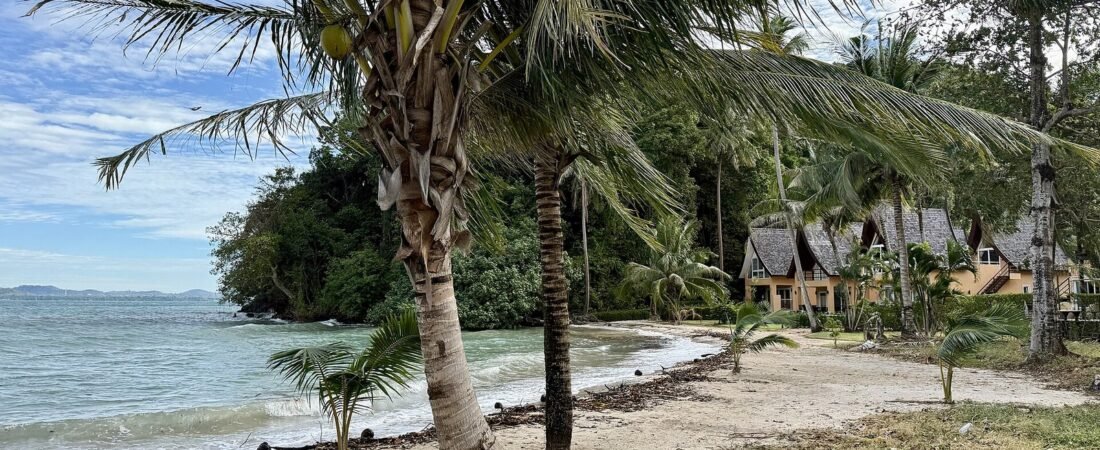
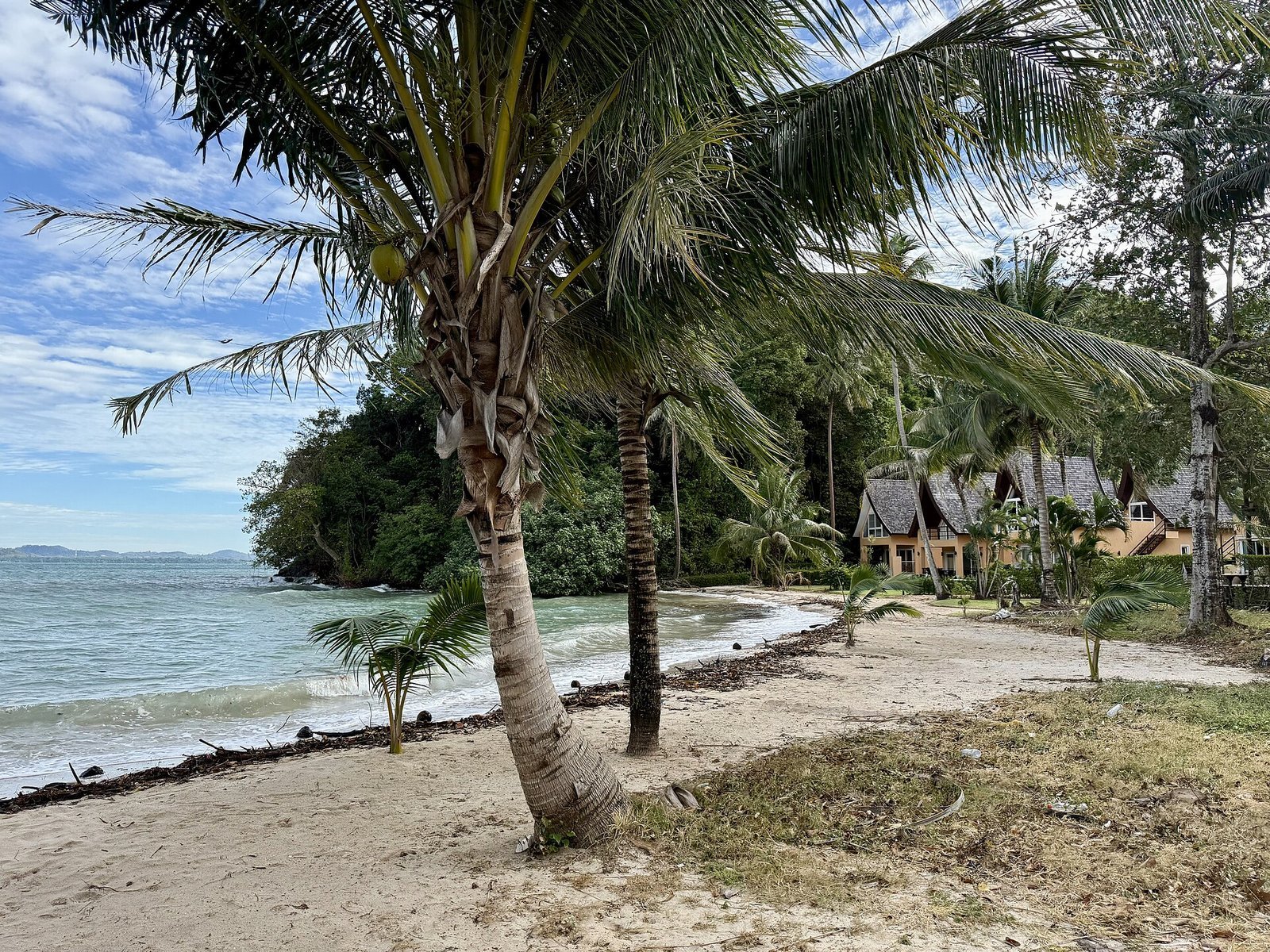
Illustrative beach scenery on Koh Chang. Not a photograph of a specific resort.
A multigenerational trip succeeds or fails on logistics, not destination choice: getting grandparents, parents and children to agree on a daily pace is harder than picking a pretty beach. This guide focuses specifically on Koh Chang, Thailand’s second-largest island, for families planning a trip across three generations, covering what actually works for getting there, where to stay, and how to plan days that do not leave anyone exhausted or bored.
Research-based guide · Checked October 2026. This is travel planning information; confirm mobility needs, medical requirements and current entry rules directly with your own doctor and the relevant embassy before booking.
Start by Matching the Island to Your Group
Koh Chang works well for multigenerational trips because it combines calm, shallow beaches on its west coast with enough rainforest, waterfalls and boat trips to keep older children and teens engaged, all within a relatively compact island that does not require long daily transfers between activities. It is not the right fit if anyone in the group has limited mobility and needs flat, paved access everywhere, since several of the nicer beaches and viewpoints involve steps or uneven paths, and the island’s interior roads are hillier than they look on a map. Decide this early, since it affects where you should stay more than any other single factor, and it is far easier to pick the right base from the start than to move partway through the trip.
Compare What Each Generation Needs
| Traveler type | Usual priority | Koh Chang fit |
|---|---|---|
| Grandparents | Comfort, shade, limited walking | Good on the calmer west coast; check room proximity to the beach before booking |
| Parents | A mix of rest and activity, manageable logistics | Good; resorts cluster along a few beaches, limiting how far you need to travel daily |
| Teens | Independence, things to actually do | Good; snorkeling trips, waterfalls and kayaking give enough variety |
| Young children | Shallow water, short activities, naps | Good on calmer beaches; check wave and tide conditions for your specific beach |
Getting to Koh Chang With a Mixed-Age Group
Koh Chang has no airport; the standard route is a road transfer of roughly five to six hours from Bangkok to Trat province, followed by a car ferry. For a group that includes grandparents or very young children, a private transfer booked in advance is worth the extra cost over a public bus, since it allows rest stops on your own schedule rather than a fixed timetable and avoids the uncertainty of shared transport schedules. See our guide to getting to Koh Chang from Bangkok for current transfer and ferry options, including minivan and car-ferry combination routes.
Build in a buffer day on both ends of the trip if anyone in the group is adjusting to jet lag or the heat, rather than scheduling activities immediately after a long travel day. Background on the island’s geography and the surrounding national park is summarized on Wikipedia’s Ko Chang entry and the Mu Ko Chang National Park entry.
Where to Stay When Needs Differ by Generation
White Sand Beach (Hat Sai Khao) and Klong Prao are the two most practical bases for a mixed-age group: both have calmer water than the island’s southern beaches, a reasonable density of restaurants within walking distance, and resorts spanning a wide range of prices so different family members can choose rooms that fit their own budget within the same general area. Booking multiple rooms or a multi-bedroom villa in the same property, rather than scattering the group across different resorts, makes shared meals and spontaneous plans far easier to coordinate, and avoids the daily logistics of everyone traveling between separate properties.
If budgets differ widely within the family, ask the resort about adjoining or nearby rooms at different price points rather than assuming everyone needs to book an identical room type; many properties on these two beaches have a range of room categories that can accommodate this without splitting the group across different resorts entirely. Ask specifically about ground-floor or step-free rooms when booking for grandparents, since not every listing makes accessibility clear up front.
For broader context on the island and other beaches, see our Koh Chang travel guide, and compare it against a nearby alternative in our Koh Chang vs Koh Mak comparison if your group is still deciding between islands. Thailand-wide family resort options, including properties with kids’ clubs, are rounded up in our Thailand family resorts guide.
Planning Activities Everyone Can Actually Do Together
- Plan one shared activity per day rather than a full itinerary, and leave the rest of the day open for people to rest or explore independently.
- A half-day snorkeling or island-hopping boat trip tends to work across ages, since it mixes swimming, scenery and downtime on the boat itself.
- Klong Plu Waterfall is a manageable walk for most fitness levels and gives teens and kids something more active to do without an all-day commitment.
- Keep at least one full rest day with no planned activity, especially after the transfer day or any day involving significant walking.
- Agree on a simple way to split up and reconvene, such as a shared messaging group and a fixed meeting time, so not everyone has to do everything together.
- Ask the resort about shuttle or tuk-tuk options between beaches before renting a vehicle for the whole group, since local transport is often simpler than coordinating a rental for a large party.
- Keep evening plans flexible and close to where you are staying, since tired children and jet-lagged grandparents rarely want a long transfer at the end of the day.
Health, Safety and Practical Preparation
Confirm travel insurance covers every age group in your party, including any pre-existing conditions for older travelers, and check which hospital on the island or in nearby Trat your insurer or resort would recommend in an emergency, since the island’s own medical facilities are more limited than mainland Thailand’s. Standard travel health precautions apply: check current vaccination and malaria guidance for Thailand before you go, since recommendations can differ by region and by traveler and by how long you plan to stay. The CDC’s Thailand travel health page and the UK government’s Thailand travel advice are both useful starting points, though you should also check your own country’s official guidance.
Heat and humidity affect older travelers and young children faster than other members of a group, so plan to build in more shade breaks and hydration than you think you will actually need, and keep a simple first-aid kit with basics for motion sickness, insect bites and minor cuts, since the nearest pharmacy may not be close to every beach. Mosquito repellent is worth packing for everyone, since dengue is present in Thailand and the standard precautions, covering up and using repellent in the evening, apply regardless of age.
If anyone in the group takes regular medication, pack enough for the full trip plus a buffer in carry-on luggage rather than checked bags, and bring a printed list of medications and dosages in case of a pharmacy or clinic visit, since not every local pharmacy will stock an exact international equivalent brand or dosage.
Frequently Asked Questions
Is Koh Chang suitable for grandparents with limited mobility?
It depends on the specific resort and beach. The calmer west-coast beaches such as White Sand Beach and Klong Prao are more manageable than the hillier south, but check room proximity to the beach and the property’s own accessibility details before booking, since marketing photos do not always show the actual path from room to sand.
How do we get to Koh Chang with young children or older relatives?
A private transfer from Bangkok, booked in advance, is generally easier than a public bus for a mixed-age group, since it allows rest stops on your own schedule across the roughly five to six hour journey to the ferry crossing, and most operators can accommodate extra luggage or a wheelchair with advance notice.
Which beach is best for a multigenerational group?
White Sand Beach and Klong Prao are the most practical choices, offering calmer water, walkable restaurants, and a range of accommodation prices within the same general area, which makes it easier to keep a large group within a short walk of each other.
What activities work for a wide age range?
Half-day snorkeling or island-hopping boat trips and a visit to Klong Plu Waterfall both tend to work across ages, mixing activity and downtime without requiring an all-day commitment from everyone, and most boat operators can accommodate guests who prefer to stay on board rather than swim.
How many rest days should we plan?
At least one full rest day with no planned activity is worth building in, especially around the transfer days, so the trip does not feel like a packed itinerary for a group with very different energy levels and recovery needs after travel.
The trips that work best across generations tend to have fewer, simpler plans rather than a packed schedule that assumes everyone wants the same pace, and a short daily check-in with the whole group can catch problems before they grow. If your group is still deciding on the destination, compare nearby options in our Koh Samet vs Koh Chang guide, or check seasonal conditions in our Koh Chang seasonal guide before setting dates, since the rainy season affects boat trips and waterfall access more than beach time itself. Confirm medical and mobility needs directly with your resort before booking, and ask specifically about step-free access if that matters for your group.