New Caledonia vs Vanuatu: Which South Pacific Escape for 2026?
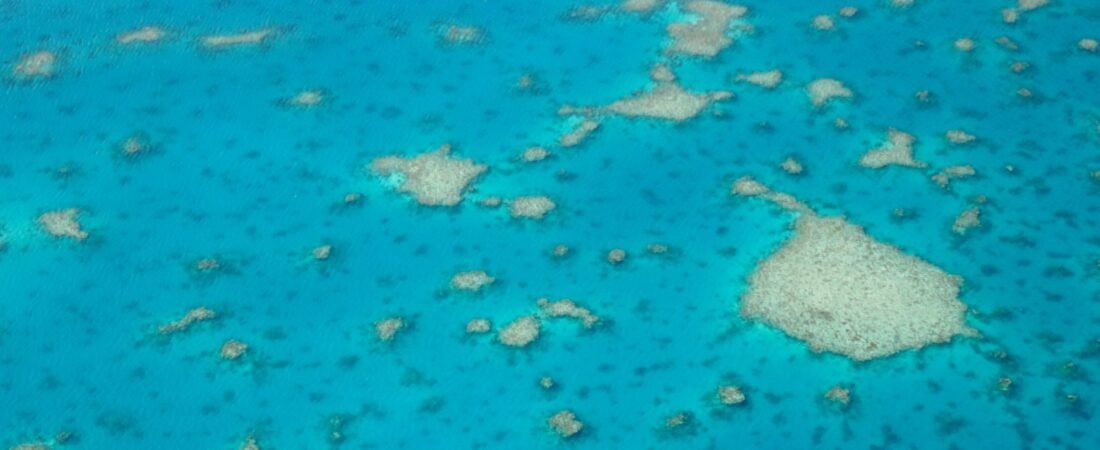
Illustrative South Pacific lagoon photograph. Not a photograph of either destination compared below.
This guide focuses on choosing between New Caledonia and Vanuatu specifically for travellers who have narrowed a South Pacific trip to these two neighboring archipelagos and want a practical, side-by-side comparison rather than a general regional overview.
Research-based guide · Compiled from official tourism and resort sources, September 2026. This is not a first-hand stay review of either destination.
Quick Verdict
Choose New Caledonia for a French-influenced lagoon destination with a UNESCO-listed barrier reef, easier day trips from a compact capital, a French-inflected dining scene, and a slightly more developed resort scene around Nouméa. Choose Vanuatu for a more rustic, adventure-leaning trip — volcano visits on Tanna, wreck diving at Espiritu Santo, and generally lower prices for comparable resort categories.
Neither island group is a short flight from outside the region: both typically require a connection through Australia, New Zealand, or Fiji for travellers from North America, Asia or Europe, so factor a stopover into your planning either way.
Both destinations sit within the Melanesian region of the South Pacific and share a similar climate pattern, but they diverge sharply in colonial history, language and the general feel of a visit — New Caledonia’s French administration is still visible in everything from road signs to bakery counters, while Vanuatu, independent since 1980, presents a more distinctly Melanesian identity shaped by its ni-Vanuatu majority population. Neither comparison point makes one destination objectively better; it mainly affects what kind of trip you should expect once you land.
At a Glance
| Factor | New Caledonia | Vanuatu |
|---|---|---|
| Main hub | Nouméa, on the main island Grande Terre | Port Vila, on Efate island |
| Signature feature | UNESCO-listed lagoon and barrier reef system | Active volcano (Mount Yasur, Tanna) and WWII wreck diving |
| Overwater accommodation | L’Escapade Ilot Maître offers rare South Pacific overwater bungalows | Mostly beachfront and garden villas; overwater rooms are uncommon |
| Currency and language | CFP franc; French widely spoken, English in tourism areas | Vatu; Bislama, English and French all official |
| Typical price level | Generally higher than Vanuatu for comparable resort categories | Generally lower; a wider range of budget-to-midrange options |
Getting There and Getting Around
La Tontouta International Airport serves Nouméa with connections via Sydney, Auckland, Tokyo and Nadi (Fiji); Air Calin is the main long-haul carrier. Bauerfield International Airport in Port Vila connects mainly via Sydney, Brisbane, Auckland and Nadi. Neither destination has direct flights from North America, Asia beyond Japan, or Europe, so most visitors build in a one- or two-night stopover in Australia, New Zealand or Fiji.
Once on the ground, both destinations are compact enough that a rental car or resort transfer covers most needs around the main hub; taxis in Port Vila and Nouméa are metered or negotiated up front, and ride-hailing apps are not consistently available in either city, so confirm your resort’s transfer options before arrival rather than assuming an app-based pickup will work.
Within New Caledonia, day trips to the Isle of Pines and Amedee Lighthouse Islet run from Nouméa by boat or short domestic flight. In Vanuatu, reaching outer islands like Espiritu Santo or Tanna requires a domestic flight from Port Vila, since there is no bridge or regular ferry network between the archipelago’s main islands.
Beaches, Lagoons and Diving
New Caledonia’s lagoon is one of the largest in the world and is inscribed as a UNESCO World Heritage site for its reef diversity; snorkeling and diving around the Isle of Pines and Amedee are calm, shallow and beginner-friendly. Vanuatu’s diving centers on Espiritu Santo, where the wreck of the SS President Coolidge and the nearby Million Dollar Point are among the most accessible wreck-diving sites in the Pacific, suiting more experienced divers.
Water temperatures in both destinations stay warm year-round, typically in the high 70s to low 80s Fahrenheit, so a full wetsuit is optional for most recreational diving; a 3mm shorty is the more common choice among visiting divers on multi-tank days. Visibility around Espiritu Santo’s wrecks can exceed 30 meters in the dry season, while New Caledonia’s lagoon visibility varies more by site and tide.
Champagne Beach on Espiritu Santo and Kuto Bay on the Isle of Pines are both frequently cited as among the region’s most photogenic beaches; visiting either as a day trip from the main hub requires a domestic flight or, for Kuto Bay, a boat transfer from Nouméa.
Where to Stay: Top Picks in Each
In New Caledonia, Le Méridien Nouméa Resort & Spa and the Sheraton New Caledonia Deva Spa & Golf Resort in Bourail cover full-service beach and golf stays, while L’Escapade Ilot Maître is the region’s rare overwater-bungalow option, reached by boat from Nouméa. In Vanuatu, The Havannah on Efate is a small, adults-oriented boutique property, while Tamanu on the Beach and the Warwick Le Lagon Resort cover more traditional beachfront stays closer to Port Vila.
Room inventory is smaller in both destinations than in mainstream Pacific markets like Fiji, so shoulder-season travellers should book three to six months ahead for the smaller boutique properties — The Havannah and L’Escapade Ilot Maître in particular run limited room counts that sell out around school-holiday periods in Australia and New Zealand, their two largest feeder markets.
New Caledonia official tourism site · Vanuatu official tourism siteCulture, Food and Day Trips
New Caledonia’s French colonial history shows up strongly in Nouméa’s food scene, with bakeries, wine lists and a market culture closer to a French provincial town than a typical Pacific capital. Vanuatu’s ni-Vanuatu culture is more visibly present in daily life, from kastom village visits to the Tanna volcano trek, which remains one of the few places in the world where visitors can walk to the rim of an active, permanently erupting volcano under guide supervision.
Easy Day Trips From Each Hub
From Nouméa, the Amedee Lighthouse Islet day trip typically combines a glass-bottom boat ride, a short reef snorkel and a climb up the 19th-century lighthouse itself, and suits travellers who want a half-day outing without booking a multi-day island stay. From Port Vila, the Mele Cascades waterfall and the Hideaway Island marine sanctuary — home to an underwater post office where postcards can be mailed from the seabed — are the two most commonly booked half-day excursions, and both can be combined with a village kastom show for a fuller day.
Neither destination is a typical honeymoon-brochure choice in the way Bora Bora or the Maldives are, which is itself part of the appeal for travellers who want a South Pacific trip without the associated crowds or price premium of the region’s best-known names.
Best Time to Visit and Cyclone Risk
Both island groups sit in the South Pacific cyclone belt, with the risk period running roughly November through April and the drier, cooler season from May through October considered the safer and more comfortable window for travel. Humidity and rainfall both increase in the cyclone season, and some resorts reduce services or close briefly during the peak of it — confirm current operating status with any property before booking a wet-season stay.
Shoulder months — late April to May and October to early November — often combine reasonable prices with lower cyclone risk than the December–March peak of the wet season, making them a reasonable compromise for travellers who want to avoid both school-holiday crowding and the highest storm risk. Trip insurance that explicitly covers cyclone-related cancellation and rebooking is worth checking for any visit planned between November and April.
- May to October: cooler, drier and the recommended window for both destinations.
- November to April: warmer and wetter, with an active cyclone risk that can disrupt flights and boat transfers.
- Domestic flights to outer islands (Tanna, Espiritu Santo, Isle of Pines) sell out faster in the July–August and December holiday peaks.
- Compare quoted package prices carefully: some Vanuatu resort rates include meals or transfers that New Caledonia quotes often price separately.
Frequently Asked Questions
Which is cheaper, New Caledonia or Vanuatu?
Vanuatu is generally the more affordable of the two for comparable resort categories, though both destinations carry the added cost of a regional stopover flight for most international visitors.
Can I visit both on one trip?
Yes, though there is no direct flight between Nouméa and Port Vila on every carrier schedule; check current routings, as combining both usually means routing back through Fiji, Sydney or Auckland rather than flying directly between the two.
Do I need a visa for New Caledonia or Vanuatu?
Requirements vary by nationality and change periodically; check current entry requirements with the relevant consulate or official tourism site before booking, rather than relying on a general guide.
Is Vanuatu’s volcano safe to visit?
Mount Yasur on Tanna is monitored and access is restricted or closed when activity increases; guided tours only operate when local authorities classify conditions as safe, so availability can change without notice.
Which destination suits divers better?
Vanuatu, particularly Espiritu Santo, is the stronger choice for wreck diving and more experienced divers, while New Caledonia’s lagoon suits snorkelers and beginner divers looking for calmer, shallower conditions.
Photographers focused on wide reef scenes often prefer New Caledonia’s shallow lagoon light, while divers chasing wreck penetration and macro subjects tend to favor Espiritu Santo instead.
For other South Pacific comparisons, see Fiji vs Maldives, our Fiji luxury resort guide, the Cook Islands honeymoon guide, and our overwater villa alternatives guide. New Caledonia’s lagoon is a UNESCO World Heritage Site; verify current flight routings and entry requirements before booking either trip. Read our French Polynesia seasonal guide if you are weighing a third South Pacific option alongside these two.