Zanzibar vs Seychelles: Which Island Fits You?
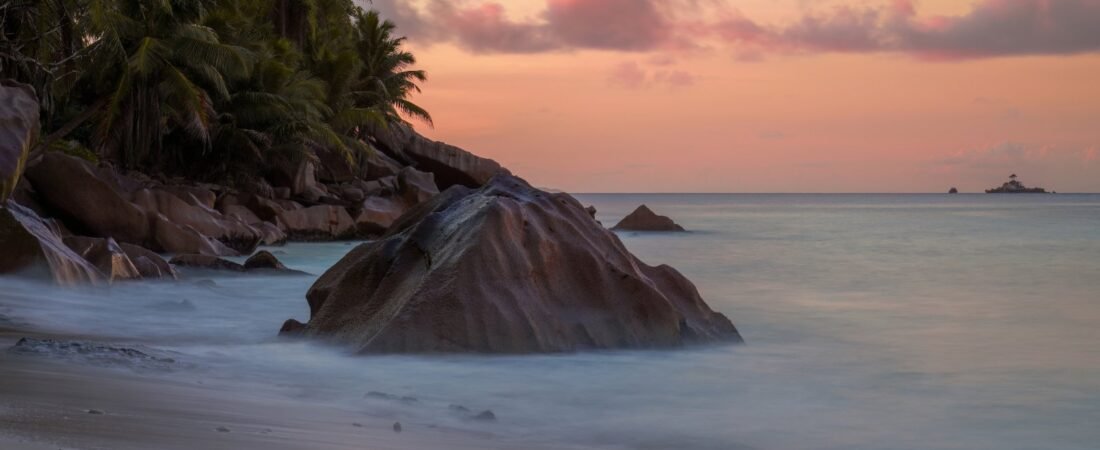
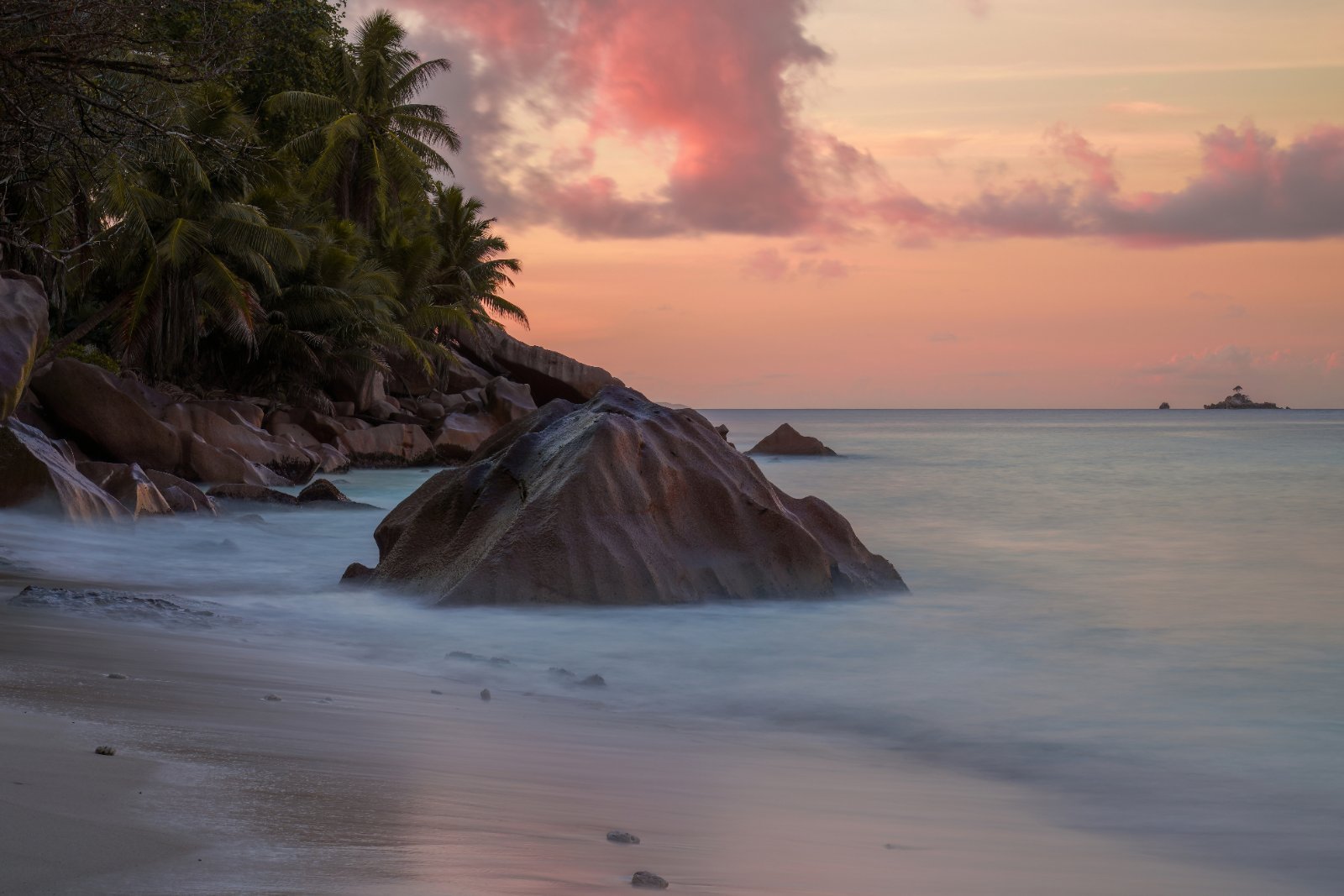
Illustrative island photograph. See the side-by-side comparison below.
Zanzibar and Seychelles both sell the same basic promise: white sand, warm water, and an Indian Ocean island escape. The experiences are quite different once you look past the marketing photos, from the underlying geology to the cost of a typical week. This guide focuses on Zanzibar and Seychelles specifically for travelers choosing between the two for a single trip, rather than covering either in isolation.
Comparison guide · Compiled from official tourism and airline sources, last checked October 2026. Verify current flight routes and prices directly before booking.
The headline difference: geography and scenery
Seychelles is best known for a specific look: giant granite boulders framing powder-white beaches, most famously on islands like La Digue and Praslin, set in lush, hilly, palm-covered terrain. Zanzibar’s coastline is flatter and coral-fringed rather than granite, with long, wide stretches of sand and a historic Swahili and Arab-influenced culture layered on top, centered on Stone Town.
If the granite-boulder, lagoon-blue postcard look is specifically what you are after, Seychelles delivers it in a way Zanzibar does not. If you want a destination with a deeper cultural and historical layer alongside the beach, Zanzibar has more to offer beyond the coastline itself.
Scale matters too. Seychelles is a compact nation of 115 islands, most of them uninhabited, with the vast majority of visitors concentrated on just three: Mahé, Praslin, and La Digue. Zanzibar is a single large island (plus the far less visited Pemba to the north), which means less inter-island logistics but also a more singular landscape rather than Seychelles’ variety of distinct island character from one stop to the next.
Beach texture differs in a way photos do not always capture. Many Zanzibar beaches, especially on the east coast, have significant tidal swings that expose wide stretches of sand and seagrass at low tide. Seychelles’ granite-backed beaches tend to hold their shape across the tide cycle more consistently, which matters if you want swimmable water at any hour rather than checking a tide table first.
Cost: a meaningful gap
Seychelles is consistently one of the more expensive Indian Ocean destinations, driven by its small land area, import-dependent economy, and a hotel market weighted toward high-end resorts. Zanzibar, part of Tanzania, generally offers a wider spread of price points, from budget guesthouses to ultra-luxury private-island style properties, making it easier to find a mid-range trip.
Flights factor into the cost gap too: Seychelles has fewer direct long-haul routes than some competing destinations, which can push fares higher, while Zanzibar benefits from being easy to combine with a mainland Tanzania safari on the same regional flight network, spreading transport costs across a longer trip.
Day-to-day costs tell a similar story. Dining and activities in Seychelles, particularly on Mahé and Praslin, generally run higher than comparable options in Zanzibar, partly because Seychelles imports a larger share of its food and goods. Zanzibar’s larger population and mainland supply chain through Tanzania keep a wider range of restaurants and tours within reach of a modest daily budget alongside the island’s high-end resorts.
Getting there
Seychelles International Airport near Victoria receives direct long-haul flights from a number of European, Middle Eastern, and Asian hubs, making onward inter-island transport, mostly by small domestic flights or ferries between Mahé, Praslin, and La Digue, the main added complexity.
Zanzibar’s airport also takes some direct long-haul flights, but many visitors connect through a mainland African or Middle Eastern hub, or arrive via a short hop from Dar es Salaam or Nairobi. Once on Zanzibar, the main island, Unguja, covers most of what visitors want without inter-island flights, which simplifies logistics compared with Seychelles’ multi-island structure.
For travelers starting from North America, both destinations typically mean at least one connection, often through a European or Gulf hub either way, so total travel time ends up broadly similar even though the specific routing differs. The practical difference shows up more once you land: Zanzibar visitors are usually done traveling once they reach the island, while Seychelles visitors headed to Praslin or La Digue still have a domestic flight or ferry ahead of them.
Culture and things to do beyond the beach
Zanzibar’s Stone Town is a UNESCO World Heritage old town with centuries of Swahili, Arab, Indian, and Portuguese influence, plus spice tours, Jozani Forest’s red colobus monkeys, and a food scene shaped by that layered history. Seychelles leans more heavily toward nature: granite national parks and the Vallée de Mai on Praslin, another UNESCO World Heritage Site and home to the giant coco de mer palm.
Neither destination is built around nightlife or large-scale entertainment in the way some other beach destinations are; both reward travelers who want a quieter, scenery-and-culture-led trip over one built around bars and activities.
Food is one area where the two diverge sharply. Zanzibar’s cuisine blends Swahili, Indian, Arab, and Portuguese traditions into dishes like biryani, pilau, and Zanzibar pizza, with the Forodhani Gardens night market in Stone Town as a standout, accessible introduction. Seychellois cuisine leans on Creole influences, with fish curries, grilled catch of the day, and tropical fruit featuring heavily, generally served through hotel restaurants and a smaller number of standalone eateries than Zanzibar’s more developed food scene.
Diving and snorkeling
Both destinations offer strong diving, but the underwater landscape differs. Zanzibar’s reefs, especially around Mnemba Atoll, are classic coral reef diving with good visibility in the dry season. Seychelles combines coral reef sites with the dramatic granite boulders continuing underwater in places, plus the well-regarded Aldabra Atoll marine reserve, though some of the more remote sites require a liveaboard or specialist trip to reach.
Honeymoon and privacy considerations
Seychelles has a long-standing reputation as a honeymoon and luxury-privacy destination, with a cluster of private-island resorts built specifically around that market. Zanzibar has a growing number of high-end properties aimed at the same audience, including private-island style resorts, but the island’s broader identity is less singularly built around the honeymoon market than Seychelles’ is.
If total seclusion on a private island is the priority, Seychelles has a longer track record of resorts purpose-built for that. If you want a honeymoon with more cultural texture alongside the beach time, Zanzibar is the stronger fit.
Both destinations handle couples-focused amenities well, from private dining on the beach to spa packages, but Seychelles’ smaller scale and lower overall visitor numbers on islands like La Digue translate into a more consistently quiet, low-density feel across the destination as a whole, rather than being limited to a handful of standout properties.
Weather and timing
Both destinations sit close to the equator with limited temperature swings year-round, but their rainy seasons do not perfectly align. Zanzibar’s wettest period runs roughly March through May; Seychelles’ wetter months cluster more around December through February, though both destinations see rain spread across the year to some degree. Check a destination-specific seasonal guide rather than assuming the two follow identical patterns.
Zanzibar also has a more pronounced dry-season wind pattern thanks to the Kusi and Kaskazi monsoons, which matters if kitesurfing or windsurfing is part of your plan; Seychelles sees less of a defined wind season built around water sports in the same way. If you are weighing the two destinations partly around a specific activity, match your dates to that activity’s own calendar rather than a generic “best time to visit” window.
| Factor | Zanzibar | Seychelles |
|---|---|---|
| Typical cost level | Wide range, budget to ultra-luxury | Consistently high-end |
| Scenery | Coral coastline, Swahili old town | Granite boulders, lush hills |
| Island structure | Mostly single-island (Unguja) | Multi-island (Mahé, Praslin, La Digue) |
| Cultural depth | Stone Town, spice trade history | Lighter on built heritage, nature-led |
| Best known for | History, food, value range | Postcard beaches, privacy, honeymoons |
Frequently Asked Questions
Is Zanzibar cheaper than Seychelles?
Generally yes. Zanzibar offers a wider range of price points, including budget and mid-range options, while Seychelles is consistently positioned at the higher end of the Indian Ocean island market, with relatively few budget-friendly alternatives to its upscale resorts.
Which is better for a honeymoon, Zanzibar or Seychelles?
Seychelles has the longer track record for secluded, private-island-style honeymoon resorts. Zanzibar is a strong and growing alternative, especially for couples who also want Stone Town’s culture and history alongside the beach.
Can you combine Zanzibar with a safari more easily than Seychelles?
Yes. Zanzibar sits on the same regional flight network as major mainland Tanzania safari hubs, making a beach-and-safari combination straightforward. Seychelles is more geographically isolated from mainland African safari circuits.
Which has better diving, Zanzibar or Seychelles?
Both offer strong diving. Zanzibar is known for classic coral reef diving around Mnemba Atoll; Seychelles adds dramatic granite underwater topography and well-protected marine parks, with some of its best sites, such as Aldabra, requiring a liveaboard or specialist trip to reach rather than a standard day-boat dive.
Is Seychelles or Zanzibar easier to fly into?
Seychelles has more direct long-haul routes into a single airport near Victoria. Zanzibar often involves a connection through a mainland African or Middle Eastern hub, though a growing number of direct routes exist as well.
Do I need separate visas for Zanzibar and Seychelles?
Yes, they are separate countries with separate visa and entry rules. Many nationalities can access both through visa-on-arrival or e-visa systems, but requirements vary by passport, so check each country’s official immigration guidance before you travel rather than assuming the same rules apply to both or that your experience with one predicts the other.
If Zanzibar is the stronger fit, start with our full Zanzibar travel guide, check the best time to visit, and see how to get around once you land. Browse the wider Zanzibar hotel collection to compare specific properties.