
How to Get to Atauro Island 2026: Ferry & Boats
Atauro is one of the last truly off-grid island escapes in the region: a mountainous island just north of Dili with small villages, simple eco-lodges and some of the richest coral reefs on record. Getting there is part of the adventure, and information online is patchy and often out of date. This guide focuses specifically on the most comfortable, reliable way to reach Atauro for travellers who value safety and smooth logistics — couples, divers and seasoned island-hoppers who would rather not gamble on a fishing boat.
Once you have your transport sorted, see our guide to the best eco-resorts on Atauro Island to choose where to stay.
Where Atauro Is and Why It’s Worth the Effort
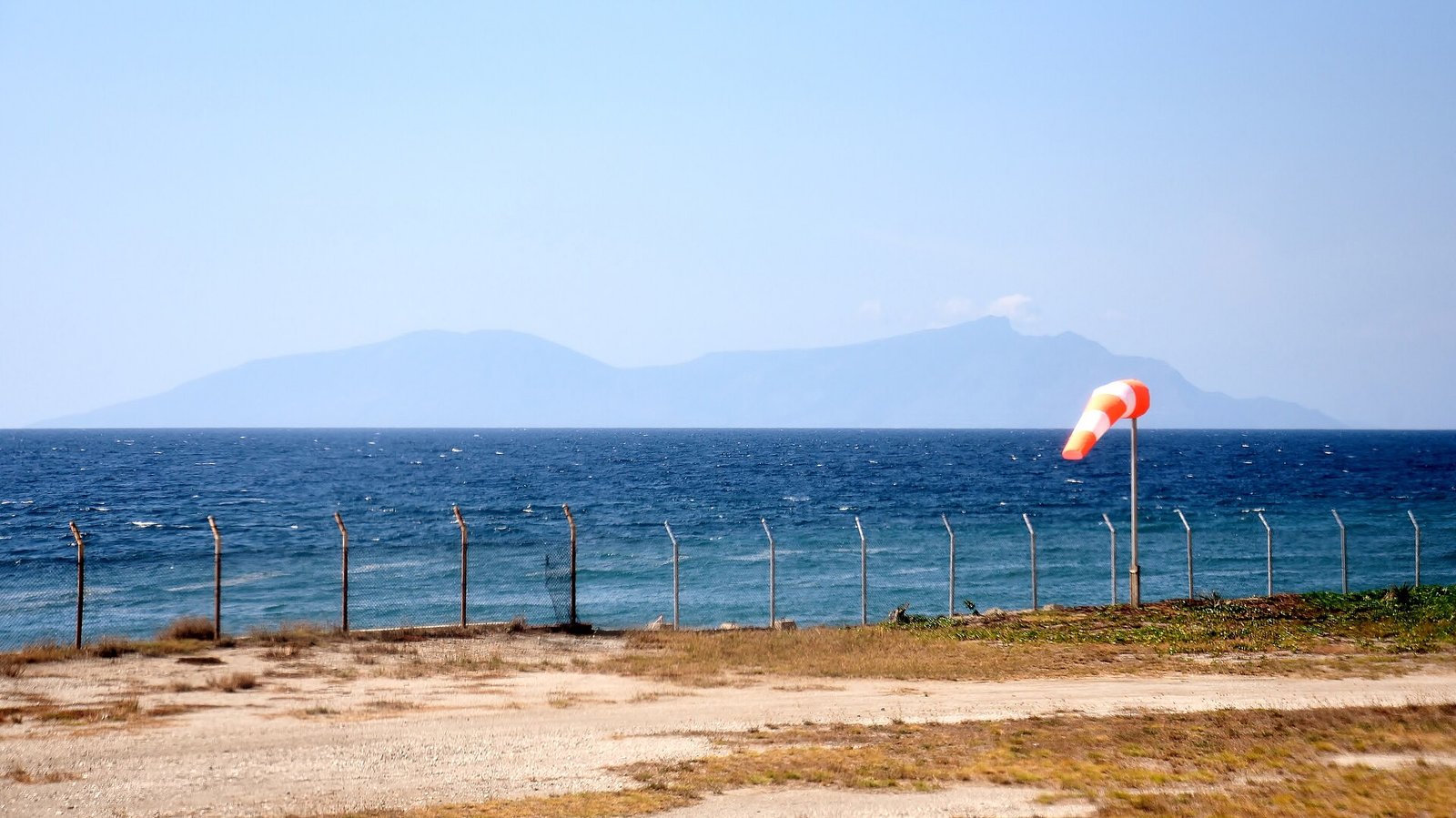
Atauro lies around 25 kilometres north of Dili, across a deep-water channel. The island is rugged and hilly, with a handful of villages such as Beloi and Vila along its eastern coast, black-and-white sand beaches and a slow, community-based tourism scene.
The draw is underwater. Marine surveys in the waters around Atauro have recorded exceptionally high numbers of reef fish species per site, and the deep channel nearby is a migration corridor for whales and dolphins in season. Add snorkelling straight from the beach, village homestays, hiking to the island’s highest point and almost no other tourists, and you have a rare destination.
It is also refreshingly uncommercial. Tourism on Atauro is small-scale and largely community-run, with lodges employing local staff and village guides leading walks and snorkelling trips. Visitors who arrive expecting resort polish may be surprised; those who come for nature, quiet and genuine encounters usually leave planning a return trip. That is why getting the logistics right matters — a smooth crossing sets the tone for the slower pace that follows.
Step One: Getting to Dili
All routes to Atauro start in Dili. International flights land at Presidente Nicolau Lobato International Airport, just west of the city centre. Regular connections run from Bali (Denpasar) and Darwin, with other routes varying from season to season, so check current schedules when planning.
- From Bali: the most common gateway for travellers already exploring Indonesia — see our best time to visit Bali guide to align the two.
- From Darwin: convenient for travellers from Australia.
- Overnight in Dili: boats usually depart in the morning, so plan at least one night in the capital on arrival.
Check entry requirements before travelling. Many nationalities can get a visa on arrival, but rules change, so confirm with official sources and read government advice such as Smartraveller’s Timor-Leste page. Timor-Leste uses the US dollar, which simplifies budgeting.
Dili itself deserves a short stay. The waterfront promenade, the Cristo Rei statue on the headland east of the city and a handful of good cafés and restaurants make a pleasant first evening. Choose a hotel close to the waterfront to keep the morning transfer to the boat departure point short, and ask your hotel to confirm the exact pickup location the night before.
Step Two: Choosing Your Crossing
There are three realistic ways to cross from Dili to Atauro, each with different trade-offs in comfort, flexibility and cost.
| Option | Typical time | Frequency | Best for |
|---|---|---|---|
| Private charter boat | About 1–1.5 hours | On demand, weather permitting | Couples and groups wanting flexibility |
| Scheduled fast boat | About 1–1.5 hours | Several times a week | Comfort at a moderate price |
| Public ferry | About 2–3 hours | Limited weekly sailings | Budget travellers with flexible dates |
| Local fishing boat | Varies | Informal | Not recommended — limited safety equipment |
For a luxury or comfort-first trip, choose either a private charter or a scheduled fast boat. The extra cost buys reliability, safety equipment and the ability to time your crossing for calmer seas.
Fast Boats and Private Charters
Several Dili-based operators run fast boats and private charters to Atauro, including dive operators that combine the crossing with a day of diving. Your lodge on Atauro can usually recommend — or book — a trusted operator, and some include the boat transfer in multi-night packages.
- Ask whether the boat has a covered area, life jackets for every passenger and a VHF radio.
- Confirm the landing point — most boats arrive at or near Beloi.
- Request a morning departure; afternoon winds often make the channel choppier.
- Keep valuables and electronics in dry bags.
Private charters are the most flexible option: you choose the departure time, can stop for snorkelling or dolphin-watching en route and avoid waiting for other passengers. For a small group, the per-person cost can be surprisingly reasonable.
Divers have an extra option: several Dili dive centres run day trips to Atauro’s reefs and can drop guests on the island at the end of the day, combining transport with two dives. If you are carrying your own equipment, confirm luggage limits in advance, as smaller boats have limited space.
The Public Ferry Option
Timor-Leste’s public ferry service connects Dili with Atauro on a limited weekly schedule. It is the cheapest option and a genuine local experience, carrying villagers, goods and occasional vehicles. However, it is slower, timetables can change at short notice, and seating and shade may be limited on a busy sailing.
If you choose the ferry, buy tickets in advance where possible, arrive early at the Dili port, bring water, sun protection and snacks, and have a back-up plan in case of schedule changes. For most travellers on a tight timetable, the ferry is best used as a one-way experience combined with a fast boat on the other leg.
Note that sailings may be reduced or cancelled during public holidays, maintenance periods or poor weather. Always reconfirm the timetable locally a day or two before you plan to travel, rather than relying on older online information.
Arriving on Atauro and Getting Around
Most boats arrive near Beloi on the east coast. There is no taxi rank, so arrange a pickup with your lodge in advance; transfers are usually short, by road or along the beach. The island has a limited road network, and getting around is mainly on foot, by occasional local trucks or by boat along the coast.
Infrastructure is basic. Expect intermittent mobile signal, limited electricity at some lodges and very few places to withdraw cash. Bring enough US dollars from Dili for your stay, including tips, village guides and any diving not included in your package.
Pack light and practical: reef-safe sunscreen, insect repellent, a torch or headlamp, a basic first-aid kit, any prescription medicines and a reusable water bottle. Modest clothing is appreciated in villages, and a few words of Tetum — such as “obrigadu” for thank you — go a long way with local hosts.
Best Time to Make the Crossing
Timor-Leste’s dry season runs roughly from May to November, and this is generally the most comfortable time for the crossing, with good visibility for diving and snorkelling. The wet season from December to April brings heavier rain and less predictable conditions, though the sea is not always rough.
Whatever the month, mornings tend to be calmer than afternoons. Build a buffer day into your plans before any international flight out of Dili in case weather delays your return crossing. Whale and dolphin sightings in the channel are most often reported in the later months of the dry season, which adds a bonus to the crossing itself.
If you are combining Atauro with Indonesian islands, plan the dry season carefully: the months that suit Atauro also tend to suit Komodo, Alor and the Nusa Tenggara islands, making a long dry-season trip across the region very rewarding. For a deeper look at reef seasons further east, see our best time to visit Raja Ampat guide. Booking flights into Dili from Bali at either end of such a trip keeps the routing simple.
Key Takeaways
- Fly to Dili, usually via Bali or Darwin, and spend a night in the capital first.
- Fast boats and private charters take around 1–1.5 hours; the public ferry takes 2–3 hours on a limited schedule.
- Book through your Atauro lodge or a reputable Dili operator for safety and convenience.
- Cross in the morning and allow a buffer day before your flight home.
- Bring US-dollar cash — facilities on the island are very limited.
- May to November offers the most comfortable conditions.
Final Thoughts
Atauro rewards travellers who plan carefully. With a reliable boat, a well-chosen lodge and a little flexibility, the crossing from Dili becomes the start of one of the most memorable island stays in Southeast Asia. If you enjoy remote reefs like these, consider extending your journey with our guides to getting to Alor in Indonesia or luxury phinisi cruises in Komodo.
Check Hotel Prices and Availability
Rates in Atauro Island move a lot with season and holidays, so it is worth comparing live prices before you lock in dates.
See hotels in Atauro Island on Booking.com
LuxStay may earn a commission if you book through these links, at no extra cost to you.
Frequently Asked Questions
How long does it take to get from Dili to Atauro?
Fast boats and private charters typically take around one to one and a half hours, depending on the vessel and sea conditions. The larger public ferry is slower, usually two to three hours.
Is there a daily ferry to Atauro?
The public ferry runs on a limited weekly schedule rather than daily, and timings can change. Fast boats and charters are more flexible; confirm the current timetable a few days before travel.
What is the most comfortable way to reach Atauro?
A private charter or scheduled fast boat, booked through your lodge or a reputable Dili operator, is the most comfortable option, with life jackets and morning departures when the sea is usually calmer.
Do I need a visa for Timor-Leste?
Visa rules depend on your nationality and point of entry. Many visitors can obtain a visa on arrival at Dili airport, but check the latest official requirements before you travel.
What currency is used on Atauro?
Timor-Leste uses the US dollar. Bring enough cash from Dili, as card payments and ATMs on Atauro are very limited.
About the Author
This guide was researched by the LuxStay editorial team — curating luxury island and Southeast Asia stays, updated regularly with on-the-ground verification.