How to Get to Pangkor Laut 2026: Ferry & Transfers
Every route to Malaysia’s private-island resort, step by step
Pangkor Laut is one of Malaysia’s most famous private-island resorts — a 300-acre island off the coast of Perak with only one resort on it, ancient rainforest and the much-photographed Emerald Bay. The catch is that it is not on the main tourist trail, and there is no airport on the island. This guide focuses on how to get to Pangkor Laut specifically for first-time international guests who are flying into Kuala Lumpur, Penang, Ipoh or Singapore and want the smoothest, least stressful transfer.
Almost every route ends the same way: a road transfer to the Marina Island Pangkor jetty near Lumut, then the resort’s private boat to Pangkor Laut. From Kuala Lumpur, allow roughly 3.5–4 hours by car; from Ipoh about 1.5 hours; from Penang about 2.5–3 hours. Book the resort’s own transfer and confirm boat times at least 48 hours ahead.
Where Pangkor Laut Is (and Why Getting There Takes Planning)
Pangkor Laut sits in the Strait of Malacca, just off the larger Pangkor Island and a few kilometres from the mainland town of Lumut in the state of Perak. Because the whole island is occupied by Pangkor Laut Resort, you can only arrive by the resort’s boat, and boats run to a schedule tied to the jetty on the mainland. That means your real planning task is getting to the mainland jetty on time.
The good news: the roads in western Peninsular Malaysia are excellent, and once you reach the jetty, the resort takes over. If you are still deciding whether the island is right for you, read our Pangkor Laut and Pangkor Island resorts guide first.
Don’t confuse Pangkor Laut with Pangkor Island
A common mistake is to book a public ferry from Lumut to Pangkor Island and assume you can walk across. Pangkor Island is the larger, inhabited island with fishing villages, budget hotels and public ferries; Pangkor Laut is the separate private island next to it. Public ferries do not serve Pangkor Laut, so if you end up on Pangkor Island by mistake you will need the resort to send a boat — an awkward and avoidable detour. When you give an address to a driver, specify the Marina Island Pangkor jetty for Pangkor Laut Resort.
Transfer Options Compared
| Starting point | Method | Approx. time to jetty | Best for |
|---|---|---|---|
| Kuala Lumpur (KLIA / city) | Private car or resort transfer | 3.5–4 hrs | Most international arrivals |
| Kuala Lumpur | ETS train to Ipoh + car | ~2.5 hrs train + 1.5 hrs car | Rail fans, avoiding traffic |
| Ipoh (city or airport) | Private car | ~1.5 hrs | Combining with Ipoh food scene |
| Penang | Private car via North–South Expressway | 2.5–3 hrs | Penang + Pangkor itineraries |
| Singapore | Fly to KL or Ipoh, then car | Varies (half-day total) | Short luxury escapes |
Step-by-Step: Kuala Lumpur to Pangkor Laut
This is the route most guests use, because Kuala Lumpur International Airport (KLIA) has the widest choice of long-haul flights.
- Book your transfer in advance. The resort can arrange a private car from KLIA or your KL hotel; independent private drivers and ride-hailing apps such as Grab are alternatives.
- Drive north on the North–South Expressway. The journey to the Lumut area takes roughly 3.5–4 hours depending on traffic leaving KL, with a toilet and coffee stop along the way.
- Check in at the Marina Island Pangkor jetty. The resort’s jetty lounge is where you meet staff, drop luggage and wait for your boat.
- Board the resort boat. The crossing to Pangkor Laut is short — typically around 20–30 minutes — and the arrival into the resort’s jetty is half the fun.
Timing matters: if you land at KLIA in the late afternoon, you may miss the last convenient boat. Many guests spend the first night at a hotel in Kuala Lumpur — see our best luxury hotels in KL city centre — and drive north the next morning.
By Train: KL to Ipoh on the ETS
Malaysia’s electric train service (ETS) connects KL Sentral with Ipoh in around two and a half hours, and it is comfortable, punctual and inexpensive. From Ipoh station, a pre-booked car takes about 1.5 hours to the jetty. This is a great option if you want to avoid KL traffic or spend a night eating your way around Ipoh’s old town before your island stay — our Ipoh luxury hotels guide has the best bases. Tickets can be bought on the KTMB online booking site; book early for weekends and public holidays.
From Penang or Ipoh Airport
If you are combining Pangkor Laut with Penang, the drive south takes about 2.5 to 3 hours via the Penang Bridge and the North–South Expressway. It pairs beautifully with a few nights in George Town; see our Penang luxury hotels guide. Ipoh’s Sultan Azlan Shah Airport has a small number of regional flights, and when schedules line up it can be the closest airport to Pangkor Laut — check current routes before planning around it, as they change frequently.
Self-driving to the jetty
Renting a car in Kuala Lumpur or Penang is straightforward, and the expressways are well signposted in English. The final stretch from the expressway exit toward Sitiawan and Lumut uses smaller trunk roads, so allow extra time in the late afternoon when local traffic builds. Check with the resort about secure parking at or near the jetty for the duration of your stay, and remember that Malaysia drives on the left.
From Singapore
Singapore guests usually fly to Kuala Lumpur (under an hour in the air) and drive north, or take a flight to Ipoh when one is operating. Driving the whole way from Singapore is possible but long — around eight hours — and only makes sense as part of a wider road trip through Malacca and Kuala Lumpur.
Arrival Day Tips
- Confirm your boat time 48 hours ahead with the resort, especially if flights change.
- Pack a small day bag. Luggage is transferred for you; keep sunscreen, medication and a swimsuit to hand so you can start relaxing immediately.
- Plan for weather. Afternoon thunderstorms are common, particularly from April to May and October to November. Boats may wait out heavy squalls.
- Bring cash for the road. Highway rest stops accept cards increasingly often, but small cash is useful for snacks and tips.
- Arrive before sunset. The approach to Pangkor Laut’s jetty in late-afternoon light is one of the most beautiful arrivals in Malaysia.
Leaving the island: onward connections
Departure works in reverse. Boats leave the island for the mainland jetty on a set schedule, so tell the front desk your flight time on arrival and let them work backward. For an evening international flight from KLIA, a morning boat is usually the safest choice; for a Penang connection, a late-morning departure normally works. Many guests break the journey with a night in Ipoh or George Town rather than rushing straight to the airport, which turns the transfer into part of the holiday rather than a chore.
Travelling with children or older relatives
The road journey from Kuala Lumpur is long enough that families should plan at least one proper break, and the resort can usually arrange child seats on request if you book its transfer. On the boat, crew help with boarding and luggage, and life jackets are provided. For guests with limited mobility, mention it when booking: the island’s paths include slopes and steps, and the resort can suggest the most accessible villa locations and arrange buggy transfers around the island. Planning these details in advance keeps the arrival relaxed for everyone, and it gives the team time to prepare the right room configuration before you land.
Is Pangkor Laut Worth the Journey?
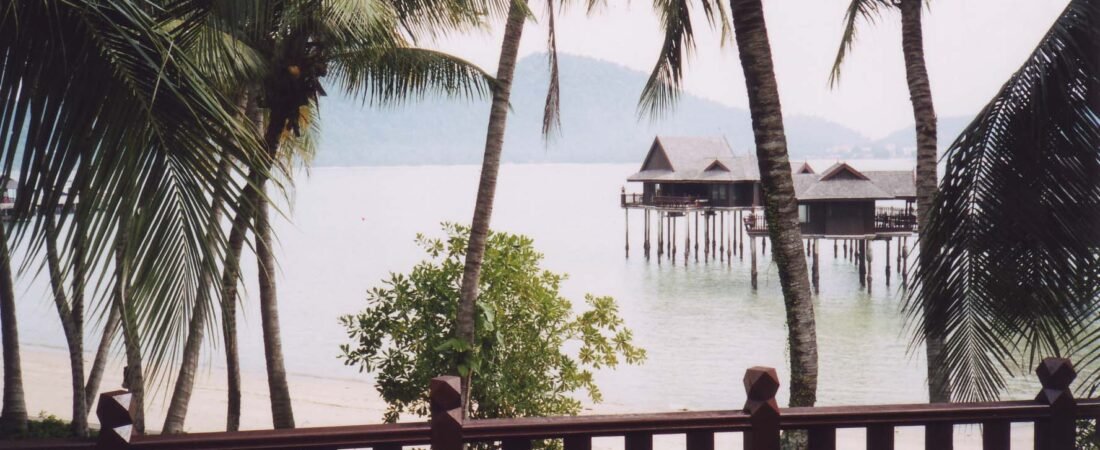
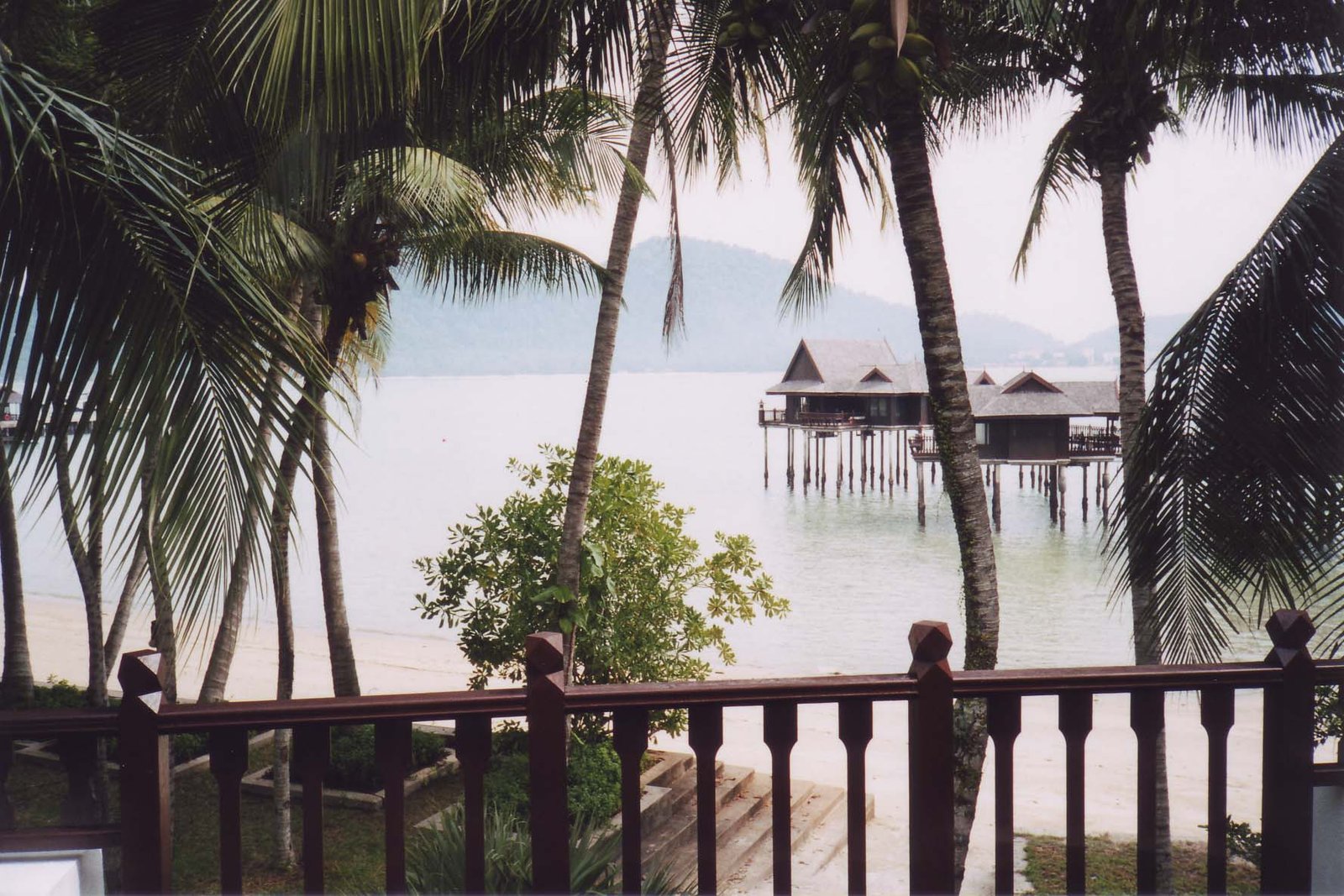
For most travellers, yes. The transfer is longer than reaching Langkawi or Penang, but the reward is a private island with no day-trippers, rainforest walks, hornbills and the sheltered crescent of Emerald Bay. The island’s Spa Village and the overwater Sea Villas are reasons alone to make the trip, and honeymooners in particular find the effort pays off — our Pangkor Laut honeymoon guide covers romantic villa picks. For general travel advisories and public holiday dates, check Tourism Malaysia before you go.
Key Takeaways
- All routes end at the Marina Island Pangkor jetty near Lumut, followed by the resort’s own boat.
- Allow 3.5–4 hours by car from Kuala Lumpur, about 1.5 hours from Ipoh and 2.5–3 hours from Penang.
- The ETS train from KL Sentral to Ipoh is a relaxing alternative to driving out of KL.
- Late long-haul arrivals should overnight in KL and transfer the next morning.
- Confirm boat timings 48 hours ahead and aim to arrive before sunset.
Check Hotel Prices and Availability
Rates in Pangkor Laut move a lot with season and holidays, so it is worth comparing live prices before you lock in dates.
See hotels in Pangkor Laut on Booking.com
LuxStay may earn a commission if you book through these links, at no extra cost to you.
Frequently Asked Questions
How do I get to Pangkor Laut Resort?
Travel by road to the Marina Island Pangkor jetty near Lumut in Perak, then take Pangkor Laut Resort’s private boat to the island.
How long is the drive from Kuala Lumpur to Pangkor Laut?
Expect around 3.5 to 4 hours by car from Kuala Lumpur to the jetty, depending on traffic, plus a short boat crossing.
Is there an airport on Pangkor Laut?
No. The nearest airports are Ipoh (limited flights), Penang and Kuala Lumpur, all of which require a road transfer to the mainland jetty.
Can I take public transport to Pangkor Laut?
Yes, partially: take the ETS train or an express bus to Ipoh or Lumut, then a taxi to the jetty. A private transfer is simpler and recommended for luxury guests.
What is the best time to visit Pangkor Laut?
Pangkor Laut is a year-round destination thanks to its sheltered position; drier months are generally December to March and June to August.
Final Thoughts
Getting to Pangkor Laut takes a little more planning than other Malaysian islands, but the transfer is straightforward once you know the jetty is the key. Book the resort transfer, build in a buffer for flights, and arrive in time to watch the sun go down over the Strait of Malacca from your villa.
About the Author
This guide was researched by the LuxStay editorial team — curating luxury island and Southeast Asia stays, updated regularly with on-the-ground verification.