
Karimunjawa vs Thousand Islands 2026: Java Escape
Choose the Thousand Islands for an easy 1–2 night escape from Jakarta — speedboats from Ancol take 1–2.5 hours and resort islands are self-contained. Choose Karimunjawa for clearer water, a wilder national-park feel and a 3–5 night trip, accepting longer transfers via Jepara or Semarang and more weather-related boat cancellations.
Java is Indonesia’s most populous island, yet many residents and visitors still fly to Bali or Lombok when they want a beach. They do not have to. Two island groups in the Java Sea offer genuine escapes without leaving the province: Kepulauan Seribu, the “Thousand Islands” scattered north of Jakarta Bay, and Karimunjawa, a marine national park off the coast of Central Java.
This guide compares the two specifically for Jakarta-based expats, business travellers and Java-itinerary visitors who have between two and five free days and want comfort rather than backpacker basics. We look at access, resort quality, marine life, seasons and value, then give a clear recommendation for each type of trip.
Already leaning one way? Jump to our Thousand Islands accommodation guide or the Karimunjawa luxury resorts guide.
Quick Comparison Table
| Factor | Thousand Islands | Karimunjawa |
|---|---|---|
| Location | North of Jakarta Bay | ~80 km off Jepara, Central Java |
| Transfer from Jakarta | 1–2.5 hr speedboat from Ancol | Flight/road to Semarang + 2–4 hr boat |
| Ideal trip length | 1–2 nights | 3–5 nights |
| Accommodation style | Single-resort islands | Guesthouses, a few boutique/island resorts |
| Water clarity | Variable; better on outer islands | Generally clearer |
| Crowds | Busy weekends | Quieter outside holidays |
| Boat cancellation risk | Moderate in wet season | Higher in wet season |
| Best for | Weekend resets, families | Snorkelling, slower travel |
The core trade-off is simple: the Thousand Islands win on convenience, Karimunjawa wins on nature. Everything else follows from that.
Getting There: Convenience vs Commitment
Thousand Islands
Most resort islands run their own speedboats from Marina Ancol in North Jakarta. Inner islands such as Pulau Bidadari and Pulau Ayer are less than an hour away; outer resort islands like Pulau Pantara, Pulau Putri or Pulau Sepa take roughly 1.5–2.5 hours. You can leave a Jakarta office on Friday afternoon and be on a beach by sunset. Our Thousand Islands transfer guide covers departure points and timings.
Karimunjawa
Karimunjawa requires more planning. From Jakarta you first reach Semarang (a one-hour flight or several hours by train), then continue to the port at Jepara for an express boat of around two hours, or take a longer crossing directly from Semarang’s Kartini harbour. A slower car ferry also runs from Jepara. Schedules are limited and may change with weather, so most travellers lose a full day each way. Our Karimunjawa transport guide has the details.
Bottom line: if you only have a weekend, the Thousand Islands is the realistic choice. Karimunjawa needs at least three nights to justify the journey.
Where to Stay: Resort Islands vs National-Park Villages
The Thousand Islands work on a “one island, one resort” model. Each resort island has its own cottages, restaurant, jetty and water-sports desk, and your package usually includes boat transfers and meals. Upscale options lean towards eco-chic and private-feel rather than five-star: think simple overwater or beachfront cottages, hammocks and snorkel gear. Pulau Macan is known for its eco-design, while islands such as Pulau Pantara and Pulau Putri cater to couples and families with more conventional resort facilities.
Karimunjawa is more varied. The main island has a small town with guesthouses, homestays and a few boutique hotels, while the most upscale stays sit on separate islets or quiet stretches of coast; Kura Kura Resort on its own private island has long been the area’s best-known higher-end option. Expect comfortable rather than lavish rooms, and confirm current operating status directly with any resort before booking, because small island properties sometimes close for refurbishment or during the rough season.
| Stay type | Thousand Islands | Karimunjawa |
|---|---|---|
| Private-island resort | Several options | Very few |
| Boutique hotel | Limited | Some on the main island |
| Homestay / guesthouse | On inhabited islands | Widely available |
| All-inclusive packages | Common | Occasional |
Beaches, Reefs and Marine Life
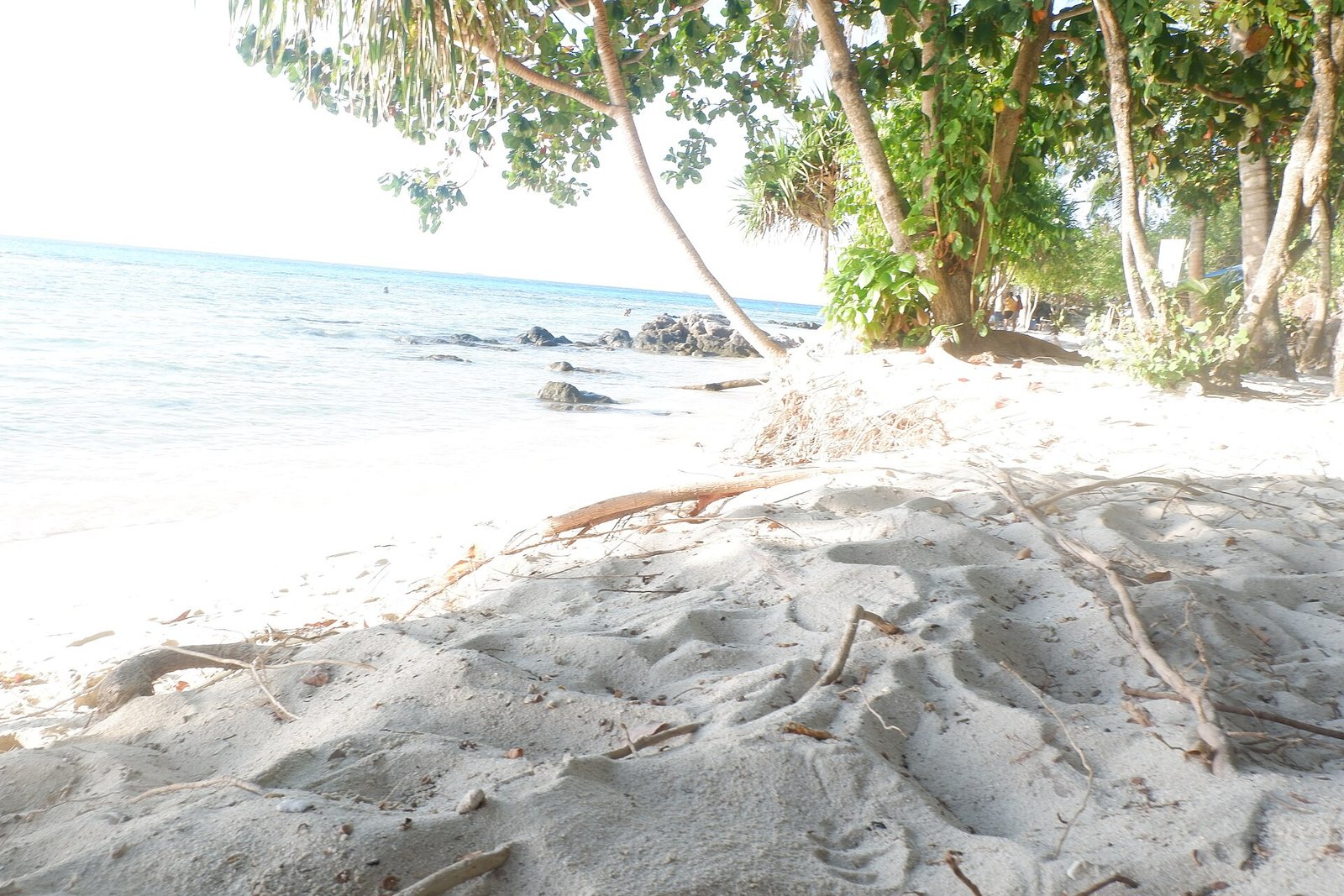
Water quality is the most important difference. Jakarta Bay is affected by river run-off from a megacity, so the inner Thousand Islands can have murky water. Clarity improves markedly on the outer islands, where reefs, turtles and decent snorkelling are possible, but conditions vary with currents and season.
Karimunjawa’s status as a protected marine national park, combined with its distance from major cities, generally means clearer water, healthier reef flats and more varied marine life. Typical island-hopping days include snorkelling over shallow coral gardens, visiting sandbars and small uninhabited islets, and seeing clownfish, parrotfish and the occasional turtle. Mangrove boardwalks on the main island add a quieter, non-beach activity.
Both destinations reward early starts. Light winds and low boat traffic in the first hours after sunrise usually give the calmest water and the best visibility, and you will often have a reef or sandbar to yourself before day-trip boats arrive around mid-morning.
Neither destination competes with Raja Ampat or Komodo for world-class diving. They are snorkelling and relaxation destinations first. For background on the park and its zoning, the Karimunjawa overview on Wikipedia and the Thousand Islands entry are good starting points.
Best Time to Visit Each
Both island groups share the Java Sea’s monsoon pattern. The dry season, roughly April to October, brings calmer seas, sunnier skies and the most reliable boat services. From around December to February, the west monsoon can create rough seas; Karimunjawa crossings in particular are sometimes cancelled for days at a time, which can strand visitors or cut trips short.
The Thousand Islands, being closer to the mainland and served by many small operators, are slightly more resilient, but trips can still be postponed on rough days. Always check forecasts from Indonesia’s weather agency BMKG before departure, and choose flexible bookings in the wet season.
Avoid national holidays such as Lebaran (Eid al-Fitr) and the year-end school break if you want peace and quiet; both destinations fill with domestic visitors. Our Thousand Islands timing guide lists the busiest weekends.
Costs and Value
The Thousand Islands are usually sold as packages that include speedboat transfers, accommodation and meals. Weekend prices are noticeably higher than midweek, and upscale resort islands can feel expensive for the facilities on offer, because you are paying for exclusivity and convenience.
Karimunjawa is typically cheaper per night, but the total cost includes flights or trains to Semarang, road transfers to Jepara and boat tickets. On a three- to five-night trip, the overall budget can end up similar, with Karimunjawa offering more time on the water for the same spend.
One cost that is easy to forget is private boat hire. On Karimunjawa, chartering your own boat for island-hopping rather than joining a shared group trip costs noticeably more, but it lets you set the pace, avoid crowded snorkel spots and stop wherever the water looks best. For couples and small families, it is the single upgrade that most improves the experience.
- Best value weekend: a midweek Thousand Islands package on an outer island.
- Best value longer trip: Karimunjawa with a boutique hotel and private island-hopping boat.
- Best splurge: a private-island resort in either group, booked outside holidays.
Sample Itineraries
Thousand Islands: 2-night weekend
- Friday: leave work early, take the resort speedboat from Marina Ancol and arrive for sunset drinks on the jetty.
- Saturday: morning snorkel trip to a nearby reef, lunch at the resort, kayaking or simply reading in a hammock; seafood dinner by the beach.
- Sunday: sunrise swim, late breakfast and a midday boat back so you are home in Jakarta before evening traffic.
Karimunjawa: 4-night island-hopping trip
- Day 1: fly or take the train to Semarang, transfer to Jepara and catch the express boat; check in and watch sunset from the hilltop viewpoint.
- Day 2: private boat day around the western islets with snorkelling stops and a picnic on a sandbar.
- Day 3: mangrove boardwalk in the morning, beach time in the afternoon, grilled fish at the night market in town.
- Day 4: second boat day to the eastern islands, or a spa and pool day at your resort.
- Day 5: morning boat back to the mainland, with buffer time in case of schedule changes.
Whichever you choose, keep the return day light. Island boat timetables are subject to weather and harbour-master decisions, and a few hours’ buffer before any onward flight is cheap insurance.
Which Should You Choose?
Choose the Thousand Islands if…
- You live in or are passing through Jakarta and have one or two nights.
- You want a self-contained resort with meals and transfers bundled.
- You are travelling with young children or older relatives who prefer short boat rides.
Choose Karimunjawa if…
- You have at least three nights and enjoy a sense of journey.
- Snorkelling quality and clearer water matter more than convenience.
- You want to combine the islands with Semarang, Jepara’s woodcarving heritage or Central Java’s temples.
And if you are weighing these Java islands against Indonesia’s best-known beach destination, our Thousand Islands vs Bali comparison sets out the trade-offs. Wider inspiration for the country is on the official Wonderful Indonesia site.
If you are still undecided, think about what would ruin the trip for you. If losing a day to transport would, pick the Thousand Islands. If murky water would, pick Karimunjawa.
Key Takeaways
- The Thousand Islands are the fastest island escape from Jakarta — ideal for 1–2 night trips.
- Karimunjawa offers clearer water and a wilder national-park feel but needs 3–5 nights.
- Travel April–October for calm seas; expect cancellations December–February, especially to Karimunjawa.
- Upscale stays in both groups are eco-chic or boutique, not five-star — set expectations accordingly.
- Book midweek and avoid Lebaran and year-end holidays for quieter islands and better rates.
Check Hotel Prices and Availability
Rates in Karimunjawa and Thousand Islands move a lot with season and holidays, so it is worth comparing live prices before you lock in dates.
See hotels in Karimunjawa on Booking.com
See hotels in Thousand Islands on Booking.com
LuxStay may earn a commission if you book through these links, at no extra cost to you.
Frequently Asked Questions
Is Karimunjawa better than the Thousand Islands?
For snorkelling and natural scenery, usually yes. For convenience and short trips from Jakarta, the Thousand Islands are better.
How long does it take to reach Karimunjawa from Jakarta?
Plan most of a day: reach Semarang by flight or train, then travel to Jepara and take a 2-hour-plus express boat, or a longer boat from Semarang.
Which Thousand Islands resort is best for a weekend?
Outer resort islands generally have clearer water. Choose based on whether you want eco-style simplicity or more conventional resort facilities.
When should I avoid Karimunjawa?
December to February, when the west monsoon frequently disrupts boat services, and during Lebaran holidays.
Can I visit Karimunjawa on a weekend?
It is possible but rushed. Transfers take so long that three nights is the realistic minimum.
Final Thoughts
Both island groups prove that Java has beach escapes worth knowing. The Thousand Islands are the pragmatic weekend reset: quick, packaged and pleasant. Karimunjawa is the more rewarding journey for travellers with time, offering clearer water and a quieter, more natural rhythm.
Match the destination to the days you have, travel in the dry season, and either one will deliver a welcome break from Java’s cities.
Prices, schedules and policies change — verify with each operator before booking.
About the Author
This guide was researched by the LuxStay editorial team — curating luxury island and Southeast Asia stays, updated regularly with on-the-ground verification.