
Madeira vs Azores 2026: Which Atlantic Island?
Portugal’s two Atlantic archipelagos often end up on the same shortlist: both are lush, volcanic, safe and a short flight from Lisbon, and both have moved firmly into luxury travel over the last decade. Yet they deliver very different holidays. This guide focuses on Madeira vs the Azores specifically for travellers planning a first luxury island trip to Portugal’s Atlantic, who want to know which one will match their priorities for weather, hotels, nature and pace.
Research-based guide · Sources checked October 2026. Rates, schedules and policies change — confirm on official websites before booking. This is not a first-hand stay review.
At a Glance: Madeira vs Azores
| Factor | Madeira | Azores |
|---|---|---|
| Islands | Madeira plus Porto Santo | Nine islands; São Miguel is the main hub |
| Weather | Mild and stable year-round, sunnier south coast | Cooler, more changeable, “four seasons in a day” |
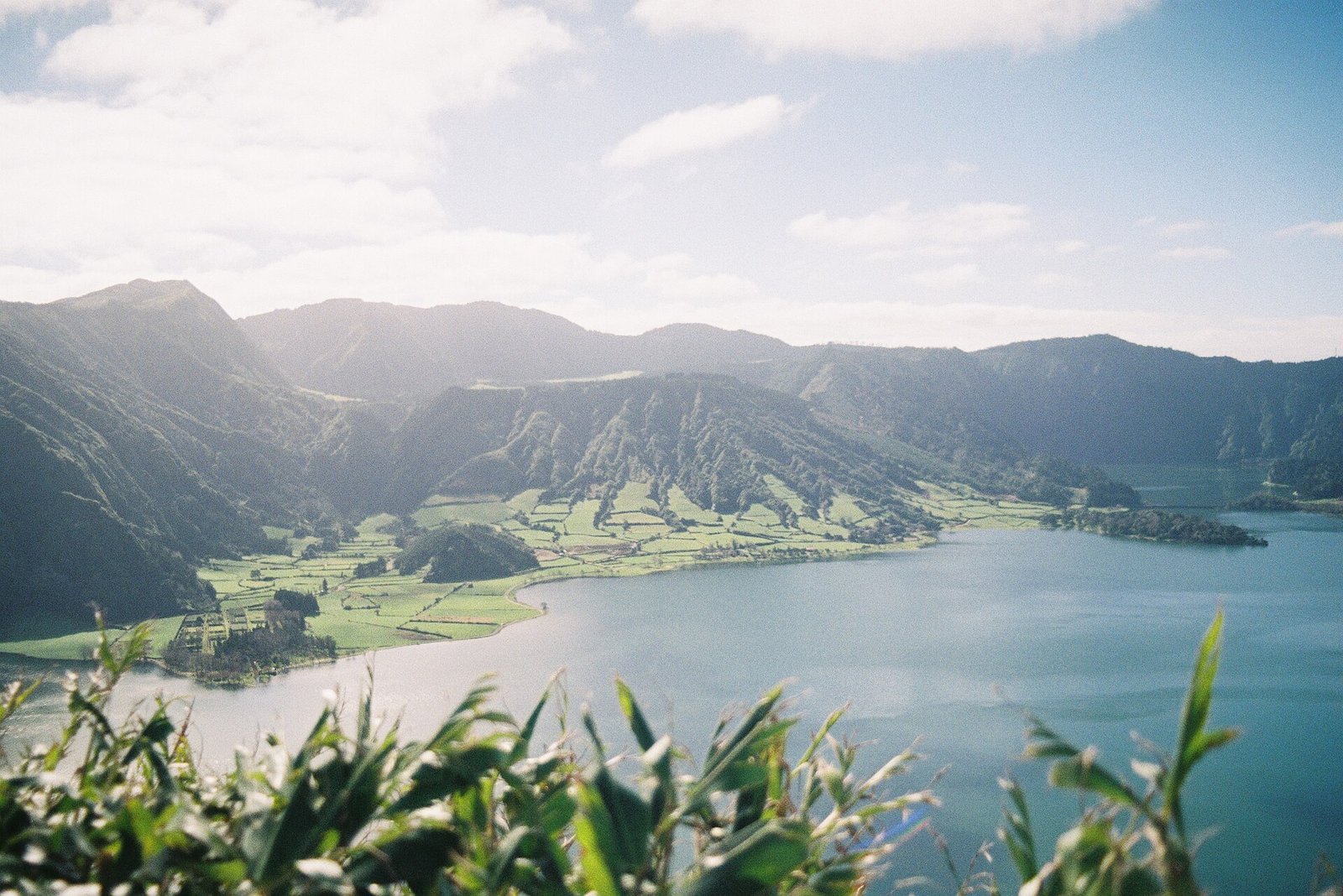
| Landscape | Sheer cliffs, laurel forest, terraced hillsides | Crater lakes, calderas, hydrangea-lined pastures |
| Luxury hotels | Grand historic hotels and modern five-stars in Funchal | Boutique design hotels and eco-resorts |
| Signature experience | Levada walks, Pico Ruivo sunrise | Whale watching, Furnas hot springs |
| Beaches | Few on Madeira; long golden beach on Porto Santo | Volcanic black-sand beaches and natural rock pools |
Neither is a classic lie-on-the-sand beach destination. If that is your priority, look further south. If nature, food and mild weather appeal, both are superb — just in different ways.
Weather and When to Go
Madeira is famous for its “eternal spring”. Funchal, on the sheltered south coast, has mild winters and warm, rarely scorching summers, which makes Madeira one of Europe’s best year-round island destinations, including for winter sun. The north coast and mountains are wetter and cooler, so cloud can sit on the peaks while Funchal is bright.
The Azores sit in the middle of the Atlantic and their weather changes quickly. Summers (June to September) are the most reliable, with warm days and the calmest seas for whale watching and swimming. Winters are mild but often wet, windy and grey, and crater-lake viewpoints like Sete Cidades can disappear under cloud. If you can only travel between November and March, Madeira is the safer bet.
Sea temperatures follow the same pattern. Madeira’s water is a little warmer for most of the year, and hotel pools are heated, so swimming is pleasant even in winter. In the Azores, the sea is most inviting from July to September; outside summer, the thermal pools of Furnas and the hot-spring waterfall at Caldeira Velha become the swimming highlights. Pack layers and a waterproof jacket for either destination, but especially for the Azores, where a sunny morning can turn to drizzle within an hour.
Luxury Hotels Compared
Madeira
Madeira has the deeper bench of traditional luxury. Belmond Reid’s Palace, perched above the sea in Funchal since the late nineteenth century, is one of Europe’s great heritage hotels, with afternoon tea on the terrace and subtropical gardens. Modern options include large five-star resorts along the Funchal cliffs and boutique quintas — historic manor houses — set in gardens in the hills. Our guide to the best luxury hotels in Madeira lists the strongest picks.
Azores
The Azores lean towards smaller, design-led luxury: contemporary suites carved into volcanic rock, eco-resorts beside surf beaches and restored manor houses in Furnas with access to thermal pools. Service is warm and personal rather than formal, and the experience is more about landscape than grandeur. Read our Azores luxury hotels guide for specific properties.
In short: Madeira for classic five-star polish, Azores for intimate boutique stays.
Nature and Outdoor Experiences
Both archipelagos are outstanding for walkers, but the character differs.
- Madeira: the levadas — centuries-old irrigation channels — create hundreds of kilometres of walking paths through laurel forest, a UNESCO World Heritage site. The ridge hike between Pico do Arieiro and Pico Ruivo is one of Europe’s most spectacular day walks. Ponta de São Lourenço offers a dramatic, arid coastal trail.
- Azores: walks circle crater lakes such as Sete Cidades and Lagoa do Fogo on São Miguel. Pico island offers a climb of Portugal’s highest mountain, and Flores has waterfalls tumbling down green cliffs.
For marine life, the Azores have the edge. They are among the best places in the world to see whales and dolphins, with sperm whales present year-round and blue and fin whales passing in spring. See our Azores whale watching guide. Madeira also offers dolphin and whale trips, but the Azores are the specialist destination. Official tourism information is available from Visit Azores and Visit Madeira.
Adventure seekers have more variety in the Azores, from canyoning and sea kayaking to swimming with dolphins under licensed operators, while Madeira offers paragliding, big-game fishing and the famous wicker toboggan ride down from Monte to Funchal. For gentler outings, Madeira’s botanical gardens and the Azores’ Terra Nostra Park, with its iron-rich thermal pool, are both rewarding half-day visits.
Food, Wine and Culture
Madeira’s capital, Funchal, has a lively restaurant scene, from Michelin-recognised fine dining to traditional taverns serving espetada (beef skewers), black scabbard fish with banana and bolo do caco bread. Madeira wine, fortified and long-ageing, is a must; historic lodges in Funchal offer tastings.
The Azores are a paradise for produce: grass-fed beef and dairy, cheeses from São Jorge, tea plantations on São Miguel — some of Europe’s only commercial tea — and pineapples grown in glasshouses. In Furnas, cozido is slow-cooked in the volcanic ground. Pico’s vineyards, planted in black lava-stone enclosures, are a UNESCO site and produce distinctive whites.
Culturally, Madeira feels more cosmopolitan and urban; the Azores feel rural, maritime and deeply local.
Getting There and Getting Around
Madeira’s airport near Funchal has frequent flights from Lisbon and Porto, plus direct services from many European cities. Once there, a single island means simple logistics: base yourself in Funchal and take day trips by private driver or car. Mountain roads are steep and winding, so a driver is worth considering.
The Azores are reached via Ponta Delgada on São Miguel, with flights from Lisbon, Porto and other European airports, and seasonal direct routes from North America — a real advantage for travellers from the United States and Canada. Seeing more than one island means inter-island flights or ferries, which adds complexity and weather risk but rewards you with very different landscapes.
If you have one week, Madeira works as a single-base trip, while the Azores work best with São Miguel plus one other island such as Pico or Faial. Our Madeira 5-day itinerary shows how to structure a shorter stay.
Families should also consider flight times and jet lag. From most of Western Europe, both are within four hours; from the US East Coast, the Azores are one of the closest European destinations by air, which makes a long weekend realistic. Madeira’s airport is known for challenging approaches in strong winds, so occasional diversions or delays happen — build a buffer day before any onward connection.
Costs and Value
Top-end hotel rates in Madeira and the Azores are generally lower than equivalent properties in the Caribbean, Seychelles or Maldives, and dining is good value by Western European standards. Madeira has more five-star inventory, so you have more choice across budgets and more competitive pricing outside peak periods such as New Year, when Funchal’s fireworks draw large crowds.
The Azores have fewer luxury rooms, so the best boutique properties sell out early for July and August. Budget for inter-island flights and possibly a private guide for whale watching or hiking. Car rental is useful on São Miguel, but book early in summer.
A useful rule of thumb: in Madeira, the biggest variable is your hotel category, since getting around a single island is inexpensive. In the Azores, the logistics — inter-island flights, guided excursions and car hire — can add a meaningful share to the total, so price the whole itinerary, not just the rooms. Shoulder months such as May, June and late September usually offer the best balance of weather and rates on both archipelagos.
Our Verdict: Which Should You Choose?
| If you are… | Choose | Why |
|---|---|---|
| Travelling in winter | Madeira | More reliable mild, sunny weather |
| A couple seeking classic luxury | Madeira | Heritage hotels, fine dining, Funchal atmosphere |
| Wildlife and whale lovers | Azores | World-class cetacean watching |
| Flying from North America | Azores | Direct seasonal flights to Ponta Delgada |
| Hikers who want drama | Either | Madeira for ridges and levadas; Azores for crater lakes |
| Families wanting easy logistics | Madeira | One island, short transfers, more resort facilities |
Key Takeaways
- Madeira offers stable, mild weather and is the better winter choice.
- The Azores win for whale watching, crater lakes and hot springs.
- Madeira has more heritage five-star hotels; the Azores favour boutique design stays.
- Neither is a classic beach destination — Porto Santo is Madeira’s beach escape.
- Plan one base in Madeira, or two islands in the Azores for a week-long trip.
- Book Azores boutique hotels early for July and August.
Check Hotel Prices and Availability
Rates in Madeira and Azores move a lot with season and holidays, so it is worth comparing live prices before you lock in dates.
See hotels in Madeira on Booking.com
See hotels in Azores on Booking.com
LuxStay may earn a commission if you book through these links, at no extra cost to you.
Frequently Asked Questions
Is Madeira or the Azores better for a first visit?
Madeira is usually easier for a first visit thanks to stable weather, one main island and a wide range of luxury hotels. The Azores suit travellers who prioritise wild nature and do not mind changeable weather.
Which has better weather, Madeira or the Azores?
Madeira generally has milder, more stable and sunnier weather, especially on its south coast. The Azores are cooler and more changeable, with the most reliable conditions in summer.
Can you combine Madeira and the Azores in one trip?
Yes, though direct flights between them are limited and schedules change. Many travellers connect via Lisbon. Allow at least ten days to enjoy both.
Are there good beaches in Madeira or the Azores?
Both have mainly rocky or volcanic coasts. Porto Santo, near Madeira, has a long golden-sand beach, while the Azores offer black-sand beaches and natural rock pools.
When is whale watching best in the Azores?
Sperm whales can be seen year-round, while spring brings migrating blue and fin whales. Summer offers the calmest seas for boat trips.
Final Thoughts
Madeira and the Azores are both among Europe’s most rewarding island escapes, but they appeal to different instincts. Madeira is the polished, sunny choice with grand hotels and spectacular hikes on one easy island. The Azores are the wilder, greener adventure with whales, volcanic lakes and boutique stays. Decide which matters more — reliability or raw nature — and the choice becomes clear.
About the Author
This guide was researched by the LuxStay editorial team — curating luxury island and Southeast Asia stays, updated regularly with on-the-ground verification.