
Mataking & Pom Pom Island Guide 2026: Semporna Stays
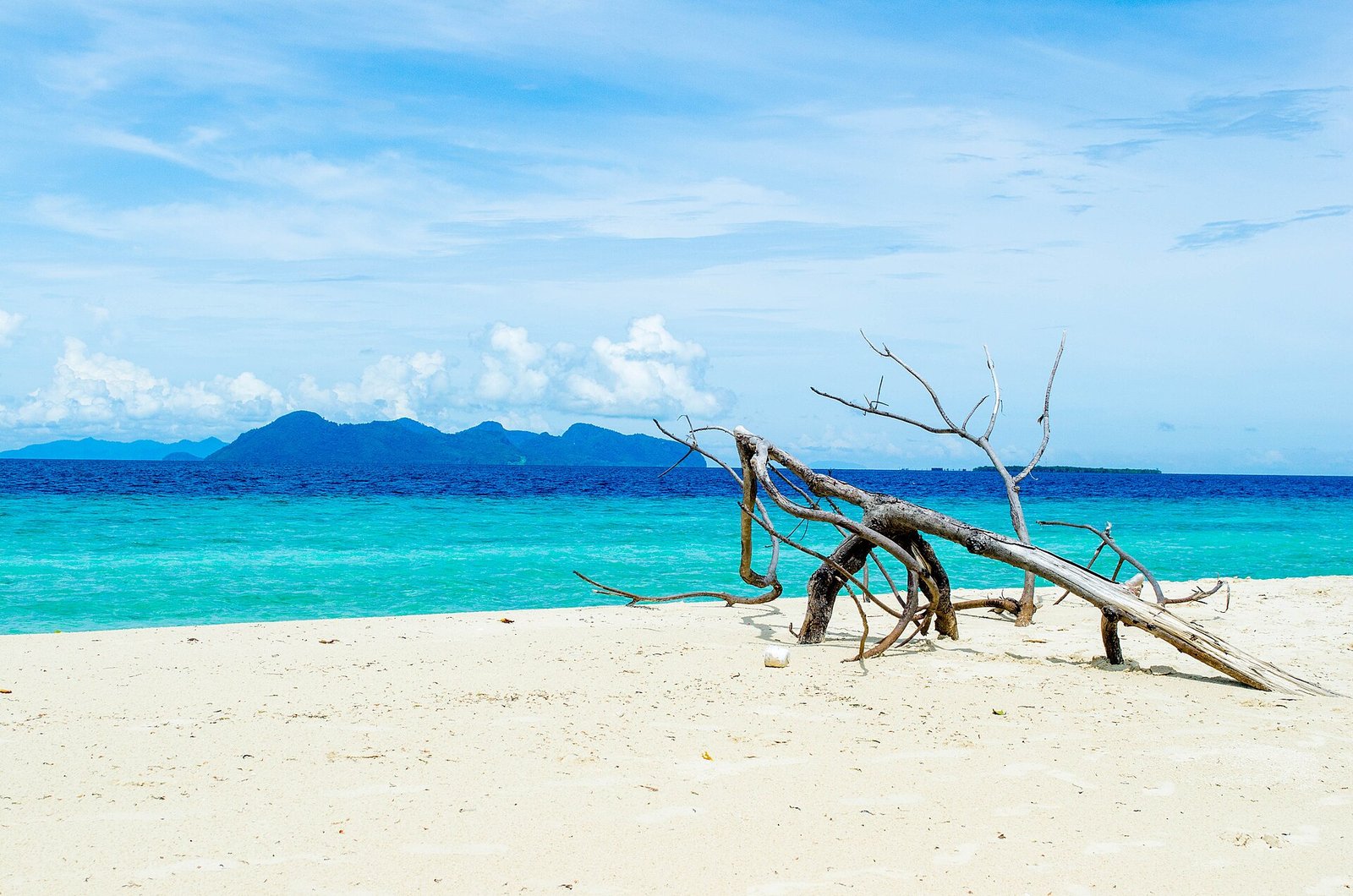
Mataking and Pom Pom are the two calm, single-resort islands off Semporna in eastern Sabah. Mataking (The Reef Dive Resort) is the pick for powder-white sandbars and a lively dive set-up; Pom Pom (Pom Pom Island Resort) is quieter, with water villas, turtle nesting and coral restoration. Both sit within reach of Sipadan.
Most travellers heading to Semporna end up on Mabul or Kapalai, close to Sipadan and the crowds that come with it. Further out in the Celebes Sea, two islands offer something calmer: Mataking and Pom Pom, each home to a single resort, ringed by reef and roughly ten kilometres apart.
This guide focuses on Mataking and Pom Pom specifically for couples and dive-curious travellers who want a private-island stay in Semporna without committing to a hardcore dive camp. We explain what each island is like, how they differ, how Sipadan fits in and how to plan the journey.
For a wider view of the archipelago, start with our Semporna island-hopping guide.
Where Are Mataking and Pom Pom?
Both islands lie north-east of Semporna town on Sabah’s east coast, in the Celebes Sea. Mataking is less than an hour by speedboat from Semporna, and Pom Pom is around 30 km from town, with a similar transfer time depending on sea conditions. Unlike Mabul, neither island has a large village, so the resort is effectively the whole island experience.
That isolation is the appeal. There are no shops, no competing resorts and very little boat traffic after the day-trippers leave.
The waters around Semporna sit within the Coral Triangle, the global centre of marine biodiversity, which is why even simple house-reef snorkelling here can be spectacular. Local Bajau Laut communities, sometimes called sea nomads, live on stilt villages and boats across the archipelago, and you are likely to see their colourful lepa boats during transfers.
Mataking Island: The Reef Dive Resort
Mataking is actually two islands — Mataking Besar and Mataking Kecil — joined at low tide by a dazzling sandbar, which is the image most people associate with the island. The Reef Dive Resort offers beachfront and over-water accommodation connected by wooden boardwalks, a central restaurant and a full dive centre.
The island is also known for its quirky underwater post box, where divers can post waterproof postcards. House reefs offer turtles, reef fish and good snorkelling, and the resort can organise Sipadan trips subject to permit availability. In the middle of the day, Mataking does receive some island-hopping visitors, so mornings and evenings are the most peaceful times.
Room choice matters on Mataking. Over-water units offer direct access to the sea and are popular with honeymooners, while beachfront rooms are closer to the sandbar and the best sunset spots. Ask the resort which category best suits your priorities, and whether your room faces the quieter side of the island away from the day-visitor area.
Meals are typically served buffet-style, with packages commonly including full board. Expect a mix of Malaysian, Chinese and Western dishes, with fresh seafood a highlight. Evening activities are low-key — stargazing from the jetty is often the main event.
Pom Pom Island: Water Villas and Turtles
Pom Pom is a small, isolated coral island with a single resort, Pom Pom Island Resort, offering beach villas and water villas over the lagoon. The atmosphere is quieter and more family-run in feel than Mataking. The island is known for turtles: green and hawksbill turtles nest on the beach, and guests may be able to watch hatchling releases.
Pom Pom has also become a focus for reef restoration, with coral planting and artificial reef structures off the island — see the overview on Wikipedia’s Pom Pom Island page. Shoreline erosion has been an issue, and the resort has built a sea wall along part of the beach, so check which villa category faces the best stretch of sand when booking.
Pom Pom’s water villas are the most coveted rooms, with private decks and steps leading straight into the lagoon. Beach villas are set back behind the sand and are slightly more affordable. Many guests come for three or four nights and spend their days alternating between the house reef, the spa and a hammock.
Because the island is small, it can be walked around in well under an hour. Early mornings are the best time to look for turtle tracks on the beach, and night walks, when organised by resort staff, can reveal nesting turtles in season.
Mataking vs Pom Pom Compared
| Factor | Mataking | Pom Pom |
|---|---|---|
| Resort | The Reef Dive Resort | Pom Pom Island Resort |
| Signature feature | Sandbar between twin islands, underwater post box | Turtle nesting, coral restoration |
| Accommodation | Beach and over-water rooms on boardwalks | Beach villas and water villas |
| Atmosphere | Livelier; some day-trippers at midday | Quieter, more secluded |
| Best for | Photogenic beaches, divers and snorkellers | Couples seeking calm, nature lovers |
| Transfer from Semporna | Under 1 hour by speedboat | Around 45–60 minutes |
Diving, Snorkelling and Sipadan
Both resorts have PADI dive centres and house reefs that are excellent for snorkelling, with turtles a near-daily sight. Diving around the islands is relaxed and suitable for beginners, with gentle reef slopes and good macro life.
Sipadan is the big question. Daily permits to dive Sipadan are capped and allocated to resorts, so you cannot simply turn up. Both islands can arrange Sipadan days for guests, but availability depends on season and the length of your stay. If Sipadan is your priority, ask the resort to confirm a permit before you pay a deposit, and read our guide to dive resorts near Sipadan to compare options closer to the site. Permit rules are managed by Sabah Parks.
For snorkellers, both islands deliver without the need for long boat rides. Expect hard and soft corals, clownfish, parrotfish and frequent turtles within a short swim of the beach. Guided snorkelling trips to nearby reefs and sandbanks are usually available. Non-swimmers can still enjoy kayaking, paddleboarding and glass-calm lagoon views.
For certified divers, a typical stay might include two days of local reef diving around the island, one day on Sipadan if a permit can be secured, and a final day of rest before flying. Remember to leave at least 18 to 24 hours between your last dive and your flight home.
How to Get to Mataking and Pom Pom
- Fly to Tawau: Tawau Airport has frequent flights from Kota Kinabalu and Kuala Lumpur.
- Drive to Semporna: the road transfer takes around 1 hour 15 minutes; resorts normally arrange it.
- Boat to the island: resort speedboats depart from Semporna’s jetty, usually at set times, taking under an hour.
- Timing: book flights that land in Tawau by late morning to catch the boat; otherwise overnight in Semporna.
Official destination information is available from Sabah Tourism.
Semporna itself is a busy fishing town with a lively seafood market and a waterfront lined with dive shops. If you need to overnight, a handful of hotels near the jetty make the morning boat easy. Allow a little time to wander the market and watch the colourful boats come and go.
Best Time to Visit
Semporna lies below the typhoon belt and is diveable year-round. Many divers favour roughly April to September for calmer seas and good visibility, while turtle nesting occurs throughout much of the year. Malaysian school holidays and long weekends bring more visitors and higher prices. Our best time to visit Sipadan and Mabul guide covers the seasonal detail for the wider region.
Prices on both islands tend to rise during Malaysian and Chinese holidays, when domestic tourism peaks. Booking several months ahead is advisable for these periods, especially if you want an over-water or water-villa room.
How Mataking and Pom Pom Fit Into a Sabah Trip
Many travellers combine two or three nights on Mataking or Pom Pom with a few nights closer to Sipadan, on Mabul or in Kapalai’s overwater villas, followed by wildlife lodges in the Kinabatangan or Danum Valley. A typical order is fly into Tawau, island first, then wildlife, then fly out of Sandakan.
Key Takeaways
- Mataking and Pom Pom are single-resort islands off Semporna, far quieter than Mabul.
- Mataking is famous for its sandbar and underwater post box; Pom Pom for turtles and reef restoration.
- Both suit snorkellers and beginner divers; Sipadan trips depend on capped permits.
- Fly to Tawau, drive about 75 minutes to Semporna and take the resort boat.
- Confirm Sipadan permits and villa location before paying a deposit.
Check Hotel Prices and Availability
Rates in Mataking and Pom Pom move a lot with season and holidays, so it is worth comparing live prices before you lock in dates.
See hotels in Mataking on Booking.com
See hotels in Pom Pom on Booking.com
LuxStay may earn a commission if you book through these links, at no extra cost to you.
Frequently Asked Questions
Which is better, Mataking or Pom Pom?
Mataking suits travellers who want photogenic sandbars and a lively dive centre; Pom Pom suits couples who want a quieter island with turtles and water villas.
Can you dive Sipadan from Mataking or Pom Pom?
Yes, both resorts can arrange Sipadan trips, but daily permits are limited, so confirm availability before booking.
How do you get to Mataking Island?
Fly to Tawau, transfer about 1 hour 15 minutes by road to Semporna, then take a speedboat of under an hour.
Is Pom Pom Island good for non-divers?
Yes. Pom Pom offers snorkelling, kayaking, turtle hatchling releases and relaxing water villas for non-divers.
When is the best time to visit Semporna’s islands?
The area is diveable year-round, with many divers preferring roughly April to September for calmer seas.
Final Thoughts
Mataking and Pom Pom offer the Semporna experience at a slower pace: turquoise water, turtles under the jetty and a resort that is the only thing on the horizon. Choose Mataking for its sandbar beauty and buzz, or Pom Pom for seclusion and conservation — and if Sipadan is on your list, secure that permit first.
About the Author
This guide was researched by the LuxStay editorial team — curating luxury island and Southeast Asia stays, updated regularly with on-the-ground verification.