
Sapa vs Ha Giang 2026: Which Mountain Escape?
Sapa and Ha Giang are the two big names in northern Vietnam’s mountains, and they are often presented as interchangeable. They are not. This guide compares them specifically for luxury travellers who value comfort and limited time — people who want stunning scenery but will not be riding a motorbike for 350 kilometres or sleeping in a dorm. We look at access, hotels, landscapes, culture, physical effort and seasons, then give a clear verdict for different traveller types.
Sapa vs Ha Giang at a Glance
| Factor | Sapa | Ha Giang |
|---|---|---|
| Drive from Hanoi | About 5–6 hours on the expressway | About 6–7 hours, last stretch slower |
| Luxury hotels | Several international-standard options | A handful of boutique lodges |
| Signature scenery | Rice terraces, Fansipan, Muong Hoa Valley | Karst plateau, Ma Pi Leng Pass, Nho Que River |
| Effort level | Low to moderate with a private guide | Moderate: long daily drives on mountain roads |
| Ideal trip length | 3–4 days | 5–6 days |
| Crowds | Busy town, quieter valleys | Quieter overall, busier on main loop stops |
| Best for | First-timers, couples, families | Repeat visitors, photographers, road-trip lovers |
In short, Sapa is the comfortable classic and Ha Giang the adventurous frontier. The rest of this guide explains the nuances behind that table.
Getting There and Getting Around
Sapa benefits from the Noi Bai–Lao Cai expressway, which makes the trip from Hanoi straightforward by private car or premium limousine van, and there is also an overnight train to Lao Cai. Once there, most sights are within an hour’s drive of town, so you can base yourself in one hotel and do day trips.
Ha Giang is reached by road only. After arriving in Ha Giang city, the experience revolves around the famous loop north through Quan Ba, Yen Minh, Dong Van and Meo Vac, which means moving hotels most nights. Backpackers ride it by motorbike; luxury travellers should hire a private car with an experienced local driver. Roads are good by regional standards but narrow, steep and slow, with daily drives of three to five hours.
If long drives make you or your companions unwell, that alone may decide the question in Sapa’s favour.
There is a middle way for Ha Giang: shorten the loop. Instead of the full circuit, some private itineraries drive straight to Dong Van, spend two nights there with day trips to Ma Pi Leng and Lung Cu, then return. You see the highlights with fewer hotel changes, at the cost of skipping some of the quieter stretches between Quan Ba and Yen Minh.
Hotels and Comfort Levels
This is the biggest difference. Sapa has a deep bench of upscale properties, from the Bill Bensley-designed Hotel de la Coupole – MGallery in town to Topas Ecolodge in the hills and the large Silk Path Grand Resort. Our rankings of Sapa’s best luxury resorts and its best luxury hotels cover the options in detail.
Ha Giang’s accommodation has improved, with a few boutique resorts and eco-lodges near Ha Giang city and Dong Van, profiled in our guide to the best luxury lodges in Ha Giang. Elsewhere on the loop, expect clean, comfortable but simple guesthouses and homestays. Spas, fine dining and room service are limited, so set expectations accordingly.
A practical strategy for Ha Giang is to book the best available property for each night, accept simpler stops in Yen Minh or Meo Vac, and finish with a night of real comfort back in Hanoi.
Scenery: Rice Terraces vs Karst Plateau
Sapa’s defining landscape is cultivated: rice terraces sculpted into the slopes of the Muong Hoa Valley, framed by the Hoang Lien Son range and Fansipan, the highest mountain in Indochina. It is green, layered and gentle on the eye, and at its most photogenic just before harvest in September.
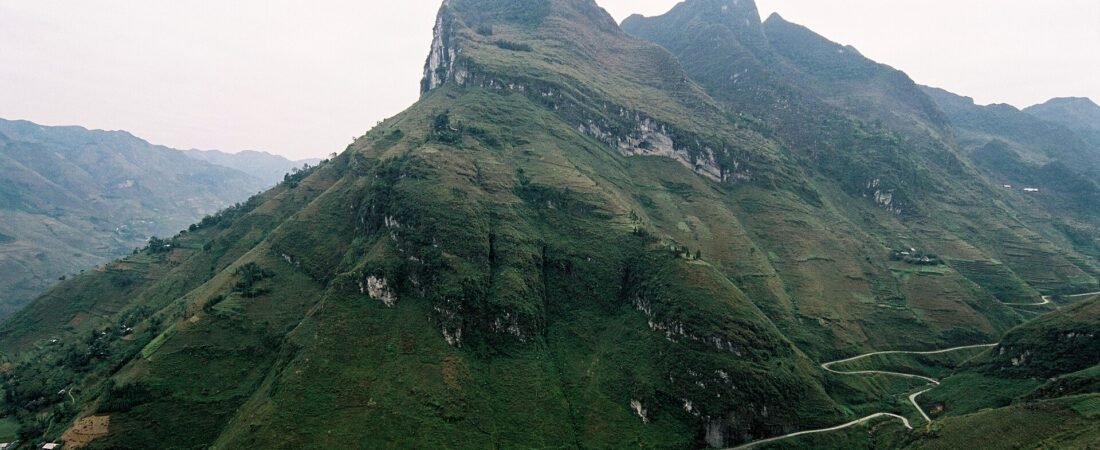
Ha Giang feels rawer. The Dong Van Karst Plateau UNESCO Global Geopark is a grey-green world of limestone pinnacles, deep valleys and terraced maize fields. The Ma Pi Leng Pass above the jade-coloured Nho Que River and the Tu San Canyon are among the most spectacular views in Southeast Asia. In the west of the province, the Hoang Su Phi area also has rice terraces that rival Sapa’s with a fraction of the visitors.
Weather plays a role in how each landscape reads. Sapa’s valleys often fill with cloud, which can be magical from above but frustrating if you came for views; building a flexible day into the plan helps. Ha Giang’s plateau is generally drier in autumn, and the huge vistas from the passes tend to hold up even when the sky is hazy.
Culture and Village Life
Both regions are home to Hmong, Dao, Tay and other ethnic minority communities. In Sapa, tourism is deeply woven into village life: Cat Cat and Ta Van are well set up for visitors, and textile selling is part of the experience. Private guides can take you to calmer hamlets and explain the changes tourism has brought.
Ha Giang’s weekly markets — at Dong Van, Meo Vac and elsewhere — remain primarily local events where families trade livestock, produce and textiles. The Vuong family mansion near Dong Van, the historic home of a Hmong ruling clan, and the flag tower at Lung Cu near Vietnam’s northernmost point add historic context. Overall, Ha Giang feels less touristic, though popular stops on the loop are busier than they were a few years ago.
Wherever you go, a knowledgeable local guide transforms the experience. Ask for someone from the community you are visiting, who can translate, introduce you to families and explain customs such as the significance of indigo dyeing, the role of markets in courtship and the agricultural calendar that shapes village life. Respectful photography — always asking first — matters in both regions.
Physical Effort and Who Each Suits
- Families with young children: Sapa. Shorter transfers, a single base and the Fansipan cable car keep everyone happy.
- Couples on a honeymoon or anniversary: Sapa for comfort, or Ha Giang if you both love road trips and dramatic views.
- Travellers with mobility concerns: Sapa, with a car-supported itinerary.
- Photographers: Ha Giang, especially at sunrise on the plateau, though Sapa’s September terraces are hard to beat.
- Repeat visitors to Vietnam: Ha Giang — it offers something genuinely different.
If you want something gentler still, our Mai Chau luxury guide covers a valley escape only three and a half hours from Hanoi.
Cost and Booking Considerations
A luxury Sapa trip is mostly a hotel decision: once you have a private car for the transfer, the remaining costs are guides and meals. Prices peak during September weekends, Vietnamese public holidays and the Tet period, so book the top properties well in advance.
In Ha Giang, the main expense is the private car and driver for the whole loop, typically booked as a multi-day package including fuel, the driver’s accommodation and meals. Because the best rooms are limited, secure them first and build the route around availability. Many travellers book Ha Giang through a specialist Vietnam operator who knows which guesthouses have been upgraded recently.
In both regions, carry cash in Vietnamese dong for markets and small cafés, and check that your travel insurance covers mountain road travel and any light trekking you plan to do.
Best Time to Visit Each
Sapa is at its best from September to early October, when the terraces turn gold, and again from March to May. Summer is wet and cloudy, and winter nights can approach freezing. Ha Giang shines in October and November, when pink and white buckwheat flowers bloom across the plateau, and in spring when peach and plum blossom appear. Summer brings heavy rain and occasional landslides on mountain roads, so build buffer days into any June–August trip and check conditions with your driver. See the official Vietnam tourism site for festival dates.
If you can only travel in one specific month, let that guide your choice: September favours Sapa, while late October and November tilt the balance towards Ha Giang. In December and January, both regions are cold and misty, and Sapa’s heated luxury hotels make it the more comfortable winter option.
Key Takeaways
- Sapa offers far more luxury hotels and easier logistics; Ha Giang offers wilder scenery with simpler lodging.
- Budget 3–4 days for Sapa and 5–6 days for Ha Giang, plus travel from Hanoi.
- Always use a private car and experienced driver for the Ha Giang loop rather than self-riding.
- Sapa peaks in September; Ha Giang peaks in October–November for buckwheat flowers.
- Families and first-timers should start with Sapa; repeat visitors should choose Ha Giang.
Final Thoughts
There is no wrong answer, only a wrong match. If comfort, convenience and a beautiful hotel are your priorities, follow our four-day Sapa luxury itinerary. If you are drawn to the edge of the map and are happy to trade some comfort for views that stop you in your tracks, Ha Giang will reward the extra effort.
Check Hotel Prices and Availability
Rates in Sapa and Ha Giang move a lot with season and holidays, so it is worth comparing live prices before you lock in dates.
See hotels in Sapa on Booking.com
See hotels in Ha Giang on Booking.com
LuxStay may earn a commission if you book through these links, at no extra cost to you.
Frequently Asked Questions
Is Sapa or Ha Giang better for a first trip to northern Vietnam?
Sapa is usually better for a first trip: it has more luxury hotels, easier day walks and the Fansipan cable car. Ha Giang suits travellers who have more time and want wilder, less developed scenery.
How long do you need for Ha Giang?
Plan at least four days on the ground for the classic loop through Quan Ba, Yen Minh, Dong Van and Meo Vac, plus travel time from Hanoi of roughly six to seven hours each way.
Are there luxury hotels in Ha Giang?
There are a few boutique lodges and resorts, but the choice is far smaller than in Sapa. Outside Ha Giang city and Dong Van, expect comfortable but simple guesthouses.
Can you visit Sapa and Ha Giang on the same trip?
Yes, but you need around ten days. The road between them is long and winding, so most travellers return through Hanoi or break the journey overnight.
Which is better for avoiding crowds?
Ha Giang is generally quieter, especially off the main loop. Sapa town is busy, but private guides can route you to calmer villages.
About the Author
This guide was researched by the LuxStay editorial team — curating luxury island and Southeast Asia stays, updated regularly with on-the-ground verification.