
Sri Lanka South Coast Road Trip 2026: 7-Day Plan
Spend seven days driving Sri Lanka’s south coast from Galle Fort to Tangalle with a private driver: two nights in Galle, two around Weligama and Mirissa, one in Hiriketiya and two in Tangalle. Drive times between stops are short (30–60 minutes), and December to April brings the best weather and whale-watching season.
Sri Lanka’s south coast is made for slow travel. In little more than 150 kilometres you move from a UNESCO-listed colonial fort to surf bays, whale-watching harbours, temple-topped rocks and wild turtle beaches — with some of South Asia’s most beautiful boutique hotels along the way. The Southern Expressway makes the journey from Colombo fast, while the coastal road reveals the fishing villages and palm-fringed coves in between.
This guide focuses on a seven-day south-coast road trip specifically for couples and first-time visitors who want a luxury-leaning, unhurried itinerary with a private driver rather than a backpacker circuit. If you have more time, pair it with the hill country or cultural triangle using our Sri Lanka first-timer’s guide.
Route Overview and Drive Times
The route runs west to east along the coast: Colombo airport → Galle → Weligama → Mirissa → Hiriketiya → Tangalle → back to the airport. After the initial transfer, no single drive is longer than about an hour, leaving most of each day for exploring.
| Leg | Approx. drive time | Nights | Highlights |
|---|---|---|---|
| Airport → Galle | 2–2.5 hours (expressway) | 2 | Galle Fort, ramparts, boutique hotels |
| Galle → Weligama | 45–60 minutes | 1 | Koggala, stilt fishermen, surf |
| Weligama → Mirissa | 15–20 minutes | 1 | Whale watching, Coconut Tree Hill |
| Mirissa → Hiriketiya | 45–60 minutes | 1 | Surf bay, cafés, Dikwella temple |
| Hiriketiya → Tangalle | 30 minutes | 2 | Clifftop resorts, turtles, Mulkirigala |
| Tangalle → Airport | 3.5–4 hours | — | Return via Southern Expressway |
Day-by-Day Itinerary
Days 1–2: Galle Fort
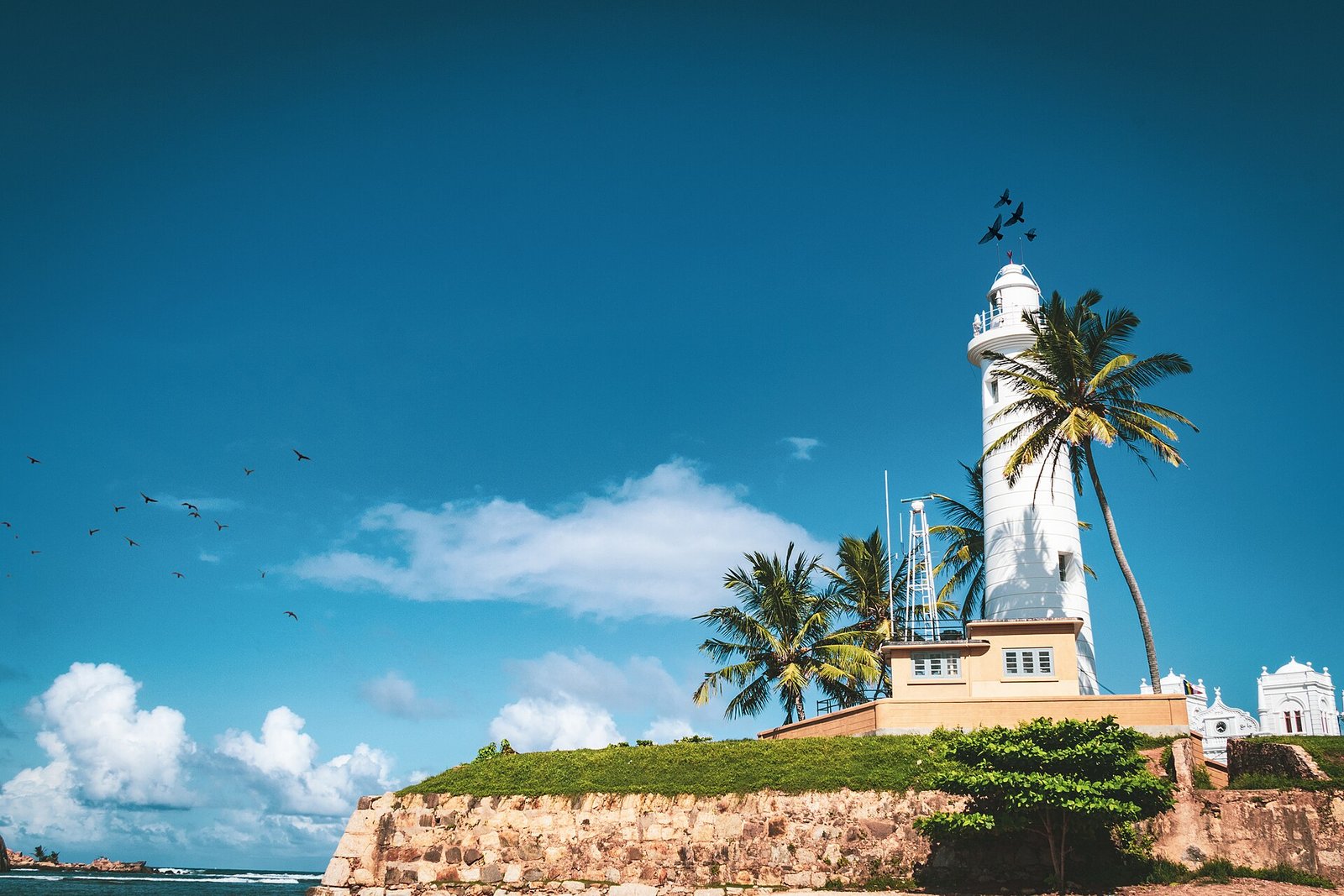
Land in Colombo and drive straight to Galle, the 17th-century fortified city listed by UNESCO as the Old Town of Galle and its Fortifications. Spend your first evening walking the ramparts at sunset past the lighthouse. On day two, explore the fort’s lanes for boutiques, galleries and cafés, then head to Unawatuna or Jungle Beach for a swim and visit the Japanese Peace Pagoda on Rumassala hill. Stay inside the fort at a heritage hotel such as Amangalla for atmosphere, or at Jetwing Lighthouse just outside for sea views; our Galle Fort boutique hotels guide has more options.
Day 3: Koggala and Weligama
Drive east via Koggala, where you can see the famous stilt fishermen (now largely a photo opportunity, so agree any fee upfront) and take a boat trip on Koggala Lake to visit cinnamon island and mangrove channels. Continue to Weligama, a wide, gentle bay that is one of the best places in Sri Lanka to learn to surf. Book a clifftop villa at Cape Weligama for a splurge with panoramic ocean views.
Day 4: Mirissa
Rise early for a whale-watching trip from Mirissa harbour — blue whales, sperm whales and spinner dolphins are commonly sighted between roughly December and April. Choose an operator that follows responsible viewing guidelines and keeps boats at a respectful distance. Spend the afternoon on Secret Beach or at Coconut Tree Hill, and watch the sunset from Parrot Rock. Compare hotels in our Mirissa and Weligama luxury resorts guide.
Day 5: Hiriketiya
Continue to Hiriketiya, a small horseshoe bay near Dikwella with a creative café scene and gentle surf. Take a lesson, try stand-up paddleboarding or simply relax. Visit Wewurukannala Vihara, with its giant seated Buddha, or the Hummanaya Blowhole nearby. Our Hiriketiya guide covers the best stays.
Days 6–7: Tangalle
Finish with two nights in Tangalle, where long, empty beaches and dramatic headlands host some of the coast’s best luxury resorts, including Amanwella and Anantara Peace Haven Tangalle. Climb the cave temples of Mulkirigala Rock in the morning, and in the evening join a guided turtle-watching visit at Rekawa. On day seven, relax by the pool before the drive back to the airport, or extend your trip. See our Tangalle luxury resorts guide.
Where to Stay Along the Way
The south coast offers a rare mix of heritage hotels, design-led boutiques and full-service resorts. A balanced approach is to choose one splurge — often in Galle or Tangalle — and pair it with characterful boutique stays elsewhere. For the island’s top luxury addresses, see our best luxury hotels in Sri Lanka roundup.
- Galle: heritage hotels inside the fort walls, or sea-view hotels just outside.
- Weligama: clifftop villas with panoramic views and surf access below.
- Mirissa: boutique villas in the hills and beachfront hotels near the harbour.
- Hiriketiya: small boutique hotels and hillside villas with plunge pools.
- Tangalle: minimalist clifftop resorts and larger full-service beach resorts.
Hiring a Driver vs Self-Driving
Most visitors hire a private car and driver for the whole trip, and it is the option we recommend. Drivers handle the sometimes chaotic local traffic, suggest food stops, wait while you explore and often double as informal guides. Rates usually include fuel and the driver’s accommodation, and good hotels can recommend reliable drivers or arrange them directly.
Self-driving is possible but less common. You will need an International Driving Permit endorsed locally, and you should be comfortable with buses, tuk-tuks, pedestrians and animals sharing narrow roads. Tuk-tuks and ride-hailing apps work well for short hops within each town.
Best Time for a South Coast Road Trip
The south and west coasts are driest from roughly December to April, which is also the main season for whale watching and surfing. January to March is the busiest and most expensive period, so book hotels early. From May to September, the south-west monsoon brings rain and rough seas to this coast; consider switching to the east coast — see Trincomalee vs Pasikudah — during those months. Check Sri Lanka Tourism for current information.
Practical Tips and Budget
- Entry: most visitors need an Electronic Travel Authorisation — apply via the official ETA website.
- Money: cards work at hotels and upscale restaurants, but carry rupees for tuk-tuks, temples and small cafés.
- Temples: cover shoulders and knees, remove shoes and hats, and never pose with your back to a Buddha image.
- Sea safety: currents can be strong; swim at sheltered beaches and follow local advice.
- Budget: beyond hotels, allow for your driver, whale-watching, entrance fees and tips; luxury stays dominate the overall cost.
What to Eat on the South Coast
Food is one of the great pleasures of this road trip. Start mornings with hoppers — bowl-shaped rice-flour pancakes, often with an egg cooked into the centre — served with coconut sambol and spicy onion relish. At lunch, order rice and curry, a spread of small dishes that might include dhal, jackfruit, beetroot, aubergine moju and a fish or chicken curry; roadside spots and family kitchens often serve the best versions at a fraction of hotel prices.
The coast is also famous for seafood. In Mirissa and Tangalle, beach restaurants display the day’s catch in the evening — usually tuna, prawns, crab and reef fish — and grill it to order. In Galle, look for ambul thiyal, a sour fish curry made with goraka, a tamarind-like fruit typical of the south. Finish with curd and treacle (buffalo-milk yoghurt with kithul palm syrup), sold in clay pots along the roadside between Galle and Matara.
Ask your driver for recommendations: most know reliable lunch stops along the route, and a good driver will steer you toward places locals actually eat. Drink bottled or filtered water, and enjoy fresh king coconut whenever you see it.
Extending Your Trip
With extra days, continue east from Tangalle toward the wildlife parks of the south-east, or head inland to the tea country of Ella and Nuwara Eliya, around four hours from the coast. Travellers combining Sri Lanka with an island escape can fly onward to the Maldives — our Maldives vs Sri Lanka guide explains how the two compare.
Key Takeaways
- Seven days is ideal for the south coast: Galle, Weligama, Mirissa, Hiriketiya and Tangalle.
- Hire a private driver — drives between stops are short, and local roads are demanding.
- December to April brings dry weather, calm seas, whales and surf.
- Mix one or two luxury splurges with characterful boutique stays.
- Book January–March stays well in advance.
- Switch to the east coast if travelling between May and September.
Frequently Asked Questions
Is seven days enough for Sri Lanka’s south coast?
Yes. Seven days lets you see Galle, Weligama, Mirissa, Hiriketiya and Tangalle without rushing, with time for beaches, whale watching and temples.
Should I hire a driver or drive myself in Sri Lanka?
Most visitors hire a private driver because roads are busy and unpredictable. Self-driving requires a locally endorsed International Driving Permit and confidence with local traffic.
When is whale-watching season in Mirissa?
The main season runs roughly from December to April, when seas are calmer and blue whales are frequently sighted off the south coast.
Which is the best base on the south coast for luxury?
Galle Fort is best for heritage hotels and atmosphere, while Tangalle offers some of the coast’s top clifftop and beach resorts.
Can I do this road trip during the monsoon?
From May to September, the south-west monsoon brings rain and rough seas to the south coast. The trip is possible, but beaches and boat trips are affected, so consider the east coast instead.
How far is Galle from Colombo airport?
Around 2–2.5 hours by car using the Southern Expressway, depending on traffic around Colombo.
Final Thoughts
A south-coast road trip shows Sri Lanka at its most relaxed and varied: history in Galle, wildlife off Mirissa, surf in Weligama and Hiriketiya and pure seclusion in Tangalle. Travel in the dry season, hire a good driver and leave room for long lunches by the sea.
About the Author
This guide was researched by the LuxStay editorial team — curating luxury island and Southeast Asia stays, updated regularly with on-the-ground verification.