Best Time to Visit Hundred Islands, Pangasinan 2026
February is usually the best month for Hundred Islands, with dry weather, calm seas and pre-peak crowds; the November to May dry season is most reliable, while June to October can bring boat cancellations.
The Hundred Islands National Park, off the coast of Alaminos in Pangasinan, packs more than a hundred small limestone islets into a compact bay that’s easy to island-hop in a single afternoon. This guide focuses on month-by-month weather and crowd conditions specifically for travellers choosing between a fast day trip from Manila or Baguio and an overnight camp on one of the park’s designated islands, since the two options have quite different seasonal sweet spots.
Research-based guide · Checked against official sources, October 2026. Confirm camping permits and boat rates with the local tourism office before travelling.
Hundred Islands Climate at a Glance
Pangasinan sits on the western side of Luzon, which gives it a classic dry-season/wet-season split rather than the more scattered rainfall patterns you find on the Pacific-facing coasts. Roughly November through May is dry, December through February adds cooler, breezier air, and June through October brings the bulk of the year’s rain along with occasional typhoon activity. None of this is unusual for the region, but it matters more here than at many beach destinations because the park’s boats are small and crossings get called off in rough seas more readily than at, say, a sheltered resort cove.
Dry Season (November–May): What to Expect
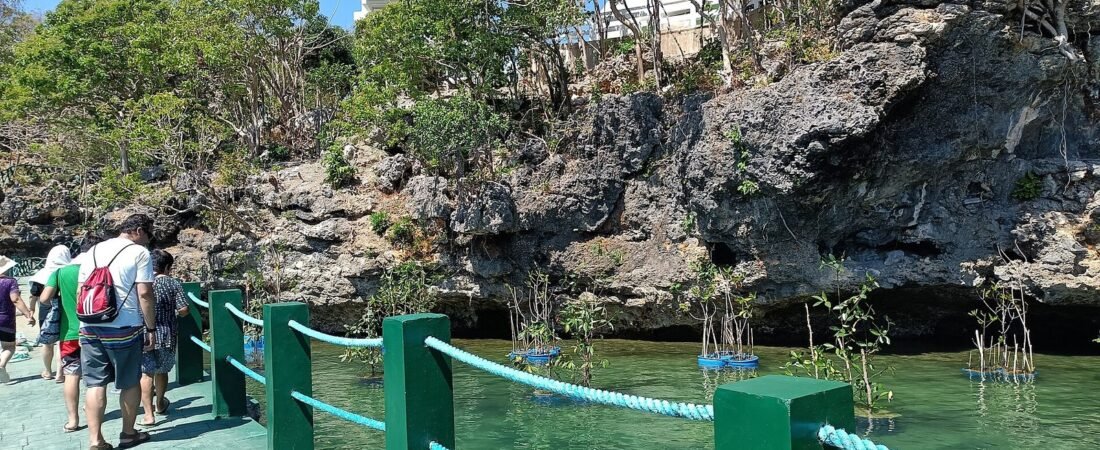
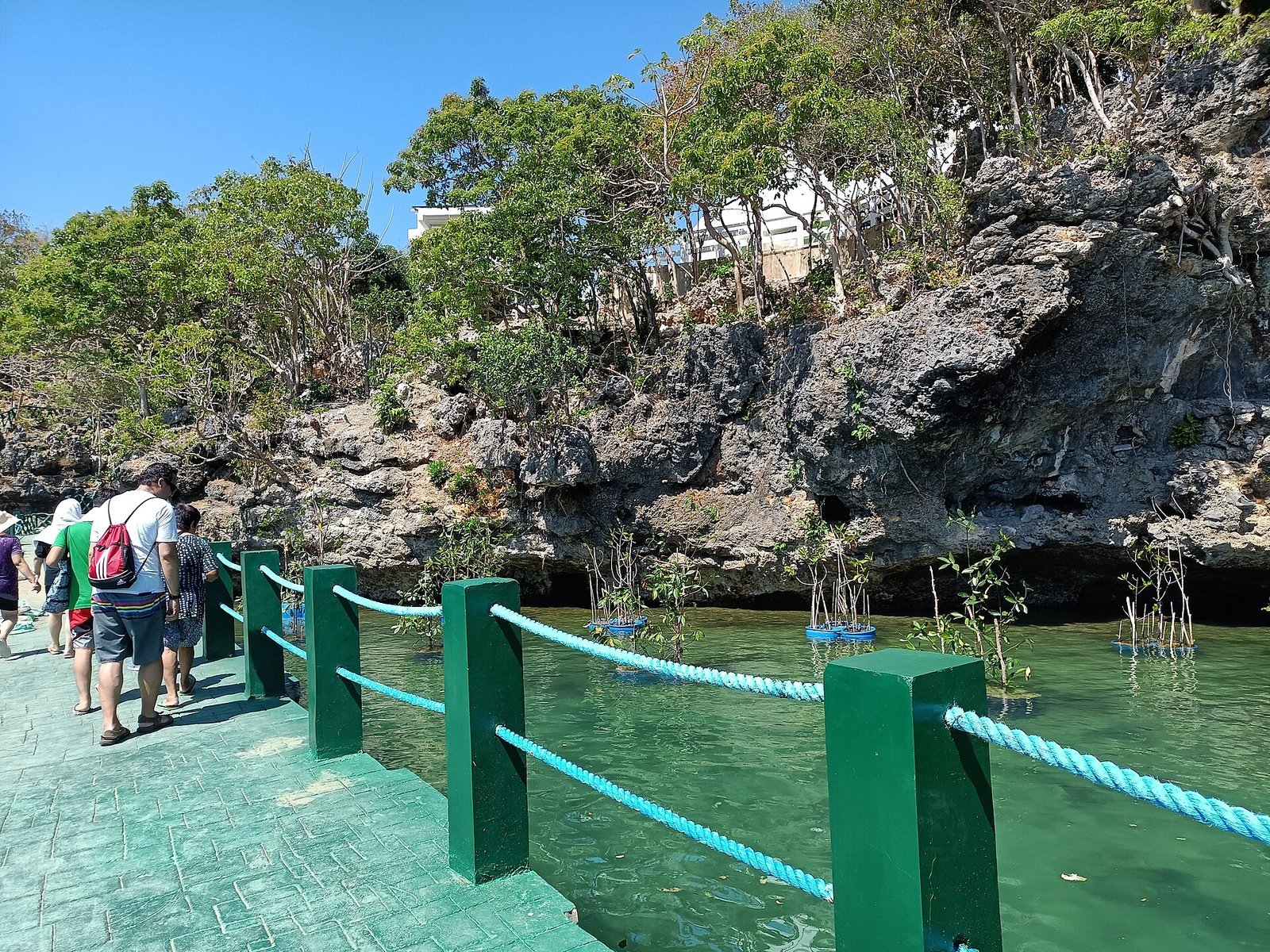
This is when the park runs closest to its full capacity. Boats depart reliably from Lucap Wharf, visibility for snorkelling around the smaller islets is at its best, and the limestone cliffs and caves on islands like Quezon and Children’s Island photograph well in the flatter afternoon light. The trade-off is crowding: weekends and the entire Holy Week period in March or April can mean queueing for a boat slot and sharing swimming coves with several tour groups at once.
Heat is also a bigger factor than most first-time visitors expect. April and May bring the hottest, most humid conditions of the year, and there’s limited natural shade once you’re out on the smaller islets, so early-morning departures are worth arranging if you want to avoid the harshest midday sun during a full day of island hopping.
Wet Season (June–October): What to Expect
Rain tends to arrive in short, heavy bursts rather than settling in for the whole day, so it’s possible to time a visit around a dry morning even in August. Boat operators will cancel or delay crossings when swell picks up, which happens more often during tropical storm passages — worth checking the PAGASA tropical cyclone bulletin a few days before any wet-season booking. The upside is a much quieter park: on a calm weekday in July you can sometimes have an entire cove to yourself.
Pangasinan sits far enough north and west that it can still catch the edge of a typhoon that makes landfall elsewhere in Luzon, even when local skies look clear that morning. It’s worth checking regional storm tracking the evening before a wet-season trip rather than relying purely on the forecast for Alaminos itself, since conditions at the wharf can change quickly once a system passes offshore.
Month-by-Month Breakdown
| Month | Rain risk | Crowd level | Good for |
|---|---|---|---|
| January | Low | Moderate | Clear skies, cooler nights for camping |
| February | Low | Moderate | Reliable boats, good visibility |
| March | Low | High | Warm days; book ahead around Holy Week |
| April | Low | Very high | Peak heat and peak crowds together |
| May | Low-moderate | High | Last reliably dry month before rains build |
| June | Moderate | Moderate | Shoulder-season rates, variable skies |
| July–August | High | Low | Quietest coves, flexible itinerary needed |
| September–October | High, storm risk | Low | Check storm tracking before booking |
| November | Moderate | Moderate | Rains tapering, fewer tour groups |
| December | Low | High | Holiday crowds, cooler breezy days |
Best Months for Island Hopping vs Camping
For a straightforward day trip focused on island hopping, January, February and the first half of May offer the best balance of calm seas and manageable crowds. If overnight camping on Governor’s Island or Quezon Island is the goal, the same window applies, but aim for a weekday, since weekend permits can sell out during the dry season’s busiest stretches. Families combining this with a wider Luzon loop often pair it with a stop in Boracay or a quieter island like Guimaras, both of which run on a similar dry-season rhythm.
Travellers who prioritise solitude over convenience should look at the shoulder weeks just before or after the wet season proper — late May into early June, or November once the heaviest rain has passed. Boat operators are more flexible about rescheduling in these windows, and accommodation in Alaminos town is easier to book without a long lead time.
Local Festivals and Crowd Spikes
Beyond the national Holy Week rush, Alaminos holds its town fiesta activities in the dry season calendar, which can tighten up boat and lodging availability on top of the usual weekend crowding. If your dates are flexible, check with the Alaminos City tourism office or the Philippine Department of Tourism regional calendar before locking in a weekend visit, since local events aren’t always reflected in generic travel calendars.
Practical Packing Notes
Reef shoes are worth packing regardless of season, since several of the park’s beaches and caves have rocky entry points. In the dry season, bring reef-safe sunscreen and a hat for the exposed boat crossings; in the wet season, a dry bag for electronics is more useful than an umbrella, since rain tends to come with wind. Campers should pack a lightweight rain fly even in the dry months — island weather can shift faster than the mainland forecast suggests. Travellers who want a longer Philippine beach-hopping trip sometimes combine this stop with Marinduque or other lesser-known islands further south, which run on broadly similar seasonal timing.
Compared with the Visayas’ dive-focused islands, Hundred Islands is a shorter, lower-commitment trip: most visitors are in and out within a long day from Manila, without the domestic flight that a Visayas or Mindanao island hop usually requires. That makes its seasonal calendar a useful planning anchor for a broader Luzon loop — if the dry-season window works for Hundred Islands, it generally also works for a side trip to islands further south, since both regions share the same broad November-to-May dry pattern, even though local rainfall totals differ.
Travellers coming from Baguio or elsewhere in the Cordillera often underestimate how much warmer and more humid Pangasinan’s coast feels after a cooler mountain stay, so pack lighter clothing for the lowland leg of the trip and expect the transition to feel more dramatic than the map distance suggests.
Key Takeaways
- The park packs more than a hundred small limestone islets into a compact bay off Alaminos.
- Boats depart from Lucap Wharf.
- Most day-trip packages cover three to five of the more accessible islands.
- Book boats in advance on dry-season weekends and during Holy Week.
- Camping permits are generally available year-round through the park office.
Check Hotel Prices and Availability
Rates in Hundred Islands, Pangasinan move a lot with season and holidays, so it is worth comparing live prices before you lock in dates.
See hotels in Hundred Islands, Pangasinan on Booking.com
LuxStay may earn a commission if you book through these links, at no extra cost to you.
Frequently Asked Questions
What is the single best month to visit Hundred Islands?
February is usually the sweet spot: dry, calm seas, and crowds that haven’t yet reached the Holy Week and April peak.
Can boats still run during the wet season?
Yes, on calm days, but operators cancel or delay trips when swell or storm warnings are active, so build flexibility into a wet-season itinerary.
Is camping on the islands allowed year-round?
Camping permits are generally available year-round through the park office, but wet-season camping carries a higher chance of a washed-out night, so dry-season dates are more reliable.
How many islands can I realistically visit in one day?
Most day-trip packages cover three to five of the park’s more accessible islands, which is enough time for swimming, a cave or viewpoint stop, and lunch.
Do I need to book boats in advance?
During dry-season weekends and Holy Week, yes; on dry-season weekdays and throughout most of the wet season, same-day boat arrangements at Lucap Wharf are usually fine.
Is Hundred Islands worth visiting if I only have one day?
Yes — the park is specifically designed around short visits, with boat packages built for a half-day or full-day loop rather than requiring an overnight stay to see the highlights.
About the Author
This guide was researched by the LuxStay editorial team — curating luxury island and Southeast Asia stays, updated regularly with on-the-ground verification.
Sources: Wikipedia – Hundred Islands National Park, Philippine Department of Tourism, PAGASA.