Apo Island vs Apo Reef: Which Dive Site Fits You?
Apo Island off Negros Oriental is an affordable, shallow, snorkel-friendly turtle sanctuary for day trips, while Apo Reef off Occidental Mindoro suits certified divers on a dedicated liveaboard seeking remoteness and pelagics.
The shared name causes more mix-ups than almost any other pair of Philippine dive destinations: Apo Island sits off Negros Oriental near Dumaguete, while Apo Reef Natural Park is a separate marine protected area off Occidental Mindoro, several hundred kilometres away. This guide focuses on choosing between the two specifically for divers deciding between an easy, day-accessible marine sanctuary and a remote reef system usually reached only by liveaboard, since confusing the two can mean booking the wrong trip entirely.
Research-based guide · Checked against official sources, October 2026. Not a first-hand dive report.
Two Different Philippine Dive Icons, Despite the Name
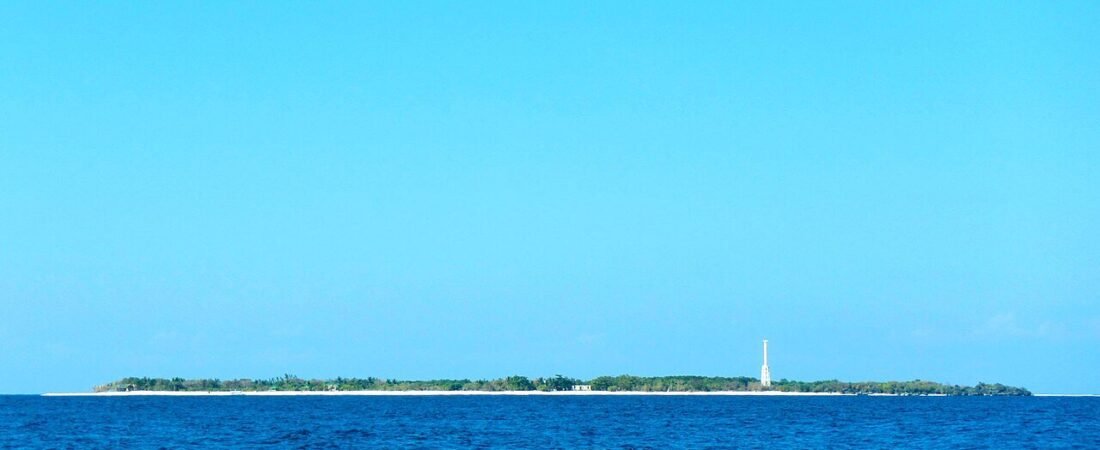
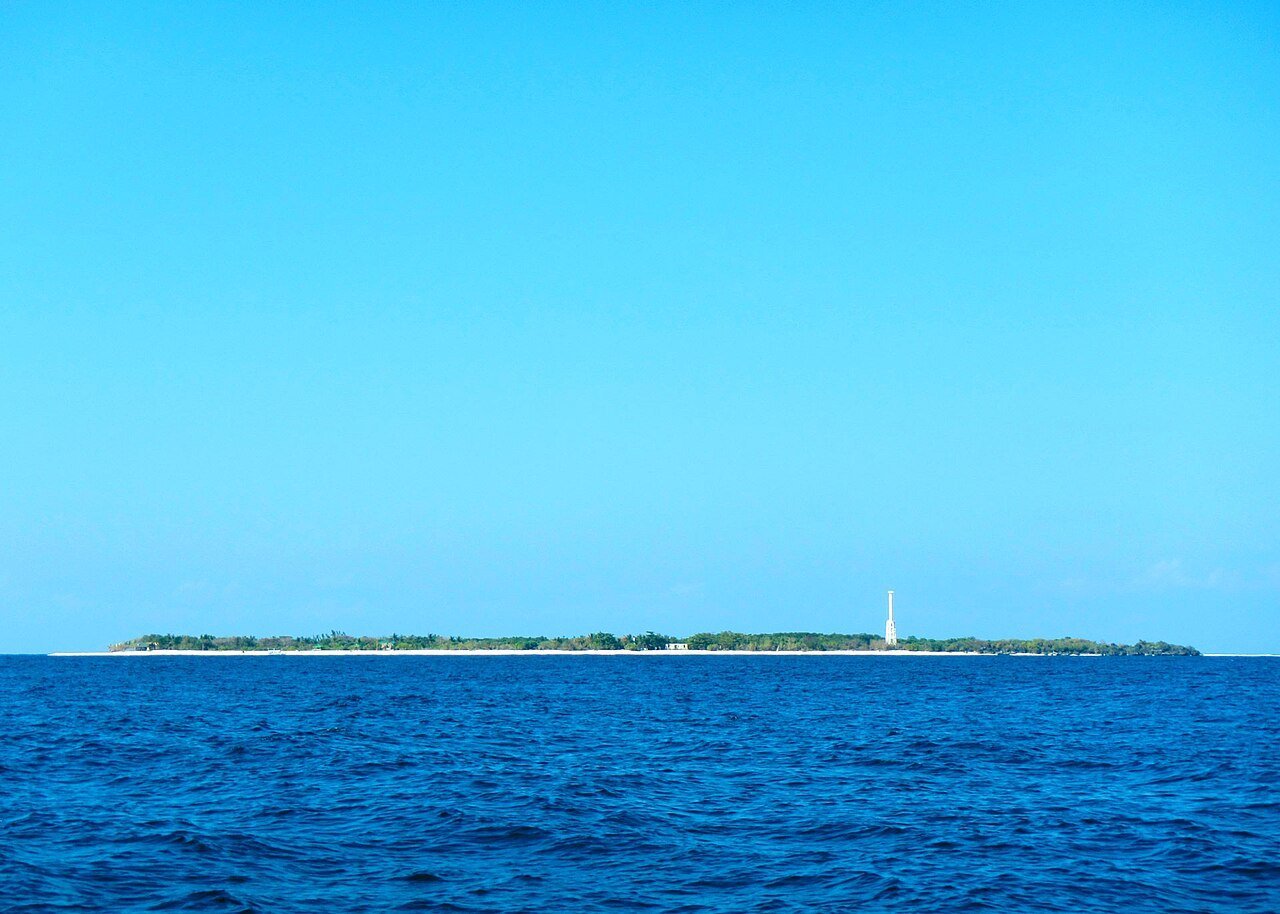
Apo Island is a single small island with a community-managed marine sanctuary, reachable by a short bangka ride from the mainland town of Dauin. Apo Reef Natural Park is a much larger protected seascape built around a coral atoll roughly 33 kilometres off the coast of Sablayan, accessible mainly by liveaboard or a long day-boat charter from Mindoro. If you only read the name “Apo” in a trip report, it’s worth double-checking which one is actually being described — our dedicated Apo Island guide covers that destination in full detail.
Access and Logistics Compared
Apo Island is a same-day proposition: fly into Dumaguete, base yourself in Dauin, and you can be snorkelling in the sanctuary within a couple of hours of touching down. Apo Reef is a different commitment entirely. Most divers reach it either on a multi-day liveaboard that includes Apo Reef as one stop among several Mindoro-area sites, or via a long day-boat charter from Sablayan or Pandan Island that eats up a significant chunk of the day just in transit.
That access gap is the single biggest factor in choosing between them. A traveller with one free afternoon in southern Negros can realistically add Apo Island to an existing itinerary; a trip to Apo Reef needs to be planned as its own standalone diving trip, usually booked weeks in advance through a liveaboard operator.
Weather windows also differ. Apo Island’s short crossing from Dauin is forgiving of all but the roughest seas, so trips rarely get cancelled outright — at worst they’re delayed a few hours. Apo Reef’s longer open-water routes are far more exposed, and liveaboard operators will reschedule entire itineraries around approaching storms, which is one more reason these trips are booked well ahead rather than planned spontaneously.
Marine Life and Visibility
Apo Island’s draw is reliability at shallow depth: resident green and hawksbill turtles are close to a sure thing on the sanctuary’s coral gardens, which sit in just a few metres of water. Apo Reef trades that shallow-water reliability for scale and remoteness — its atoll structure supports a much larger reef system with pelagic sightings (including reef sharks and, seasonally, larger passing species) that divers rarely encounter at Apo Island’s more contained sanctuary zone.
Visibility at Apo Reef is generally rated higher on clear days, owing to its distance from mainland runoff, while Apo Island’s visibility is good but more variable depending on recent weather and the number of boats in the water that day. Divers chasing specific pelagic encounters, rather than a guaranteed turtle swim, tend to prefer Apo Reef for this reason.
Both sites are strictly protected, but the enforcement style differs with the terrain. Apo Island’s community-run sanctuary relies on in-water guides who stay close to every group, since the area is small enough to supervise directly. Apo Reef’s national park status is enforced more through permit and ranger station checks at the few entry points, simply because its area is far too large for the same close-in-water supervision model.
Cost and Trip Length
Apo Island costs little beyond a sanctuary fee, a shared boat charter, and gear rental if needed — a day trip from Dauin is one of the more affordable serious dive experiences in the Philippines. Apo Reef, by contrast, is priced as a multi-day liveaboard package covering accommodation, meals, and several dives across the trip, which puts it in a different budget bracket entirely, closer to a dedicated diving holiday than a single excursion.
It’s worth thinking about this less as “cheap vs expensive” and more as two different trip categories. Apo Island fits inside a day of an existing Negros or Visayas itinerary at modest extra cost; Apo Reef is the reason for the trip, built around its own multi-day budget, flights to Mindoro or a connecting port, and liveaboard availability that can book out months ahead during peak diving season.
Side-by-Side Comparison
| Factor | Apo Island | Apo Reef |
|---|---|---|
| Location | Off Dauin, Negros Oriental | Off Sablayan, Occidental Mindoro |
| Access | 20–30 min bangka from the mainland | Liveaboard or long day-charter |
| Trip length | Half-day to overnight | Multi-day, usually liveaboard |
| Signature sighting | Resident turtles at shallow depth | Larger reef system, pelagic encounters |
| Entry level | Snorkel-friendly | Primarily for certified divers |
| Typical cost bracket | Low, single-day pricing | High, multi-day package pricing |
Who Apo Island Fits Best
Apo Island suits travellers who want a reliable, affordable turtle encounter without committing an entire trip to diving logistics — snorkellers, new divers, and anyone building Apo Island into a broader Negros or Visayas itinerary. If that sounds like your trip, travellers often pair it with sites like Malapascua or the muck-diving contrast covered in our Lembeh vs Anilao comparison, both reachable within the same general Visayas-Luzon dive circuit. It’s also a sensible choice for mixed groups travelling together where not everyone dives, since non-divers can still snorkel the same sanctuary and see much of what certified divers see at shallower depth.
Who Apo Reef Fits Best
Apo Reef fits certified divers planning a dedicated liveaboard trip who want scale, remoteness, and a shot at pelagic sightings over the guaranteed-but-smaller experience at Apo Island. If a liveaboard-style trip appeals, it’s worth comparing timing and logistics against other remote Philippine and regional dive circuits, such as those covered in our Southeast Asia scuba season guide, since liveaboard windows are often tighter and more weather-dependent than single-day trips like Apo Island. It’s also worth confirming your own certification level and logged dive count against the liveaboard operator’s requirements before booking — some of Apo Reef’s more exposed sites are restricted to divers above a minimum experience threshold, which isn’t always obvious from a general marketing page.
Key Takeaways
- The two sites are separate protected marine areas several hundred kilometres apart.
- Apo Island is the better choice for beginner divers and snorkelers.
- Apo Reef is generally rated higher for visibility on clear days.
- Most divers find a liveaboard more practical than a long day-charter from Sablayan for Apo Reef.
- Visiting both requires a significant domestic transfer between the two regions.
Check Hotel Prices and Availability
Rates in Apo Island and Apo Reef move a lot with season and holidays, so it is worth comparing live prices before you lock in dates.
See hotels in Apo Island on Booking.com
See hotels in Apo Reef on Booking.com
LuxStay may earn a commission if you book through these links, at no extra cost to you.
Frequently Asked Questions
Are Apo Island and Apo Reef the same place?
No. They’re separate protected marine areas in different parts of the Philippines, roughly several hundred kilometres apart, and are easy to confuse because of the shared name.
Which is better for a beginner diver?
Apo Island, since its sanctuary is shallow and snorkel-friendly. Apo Reef’s more exposed, open-water conditions are generally better suited to certified, more experienced divers.
Can I visit both on the same trip?
Technically yes, but it requires a significant domestic transfer between Negros Oriental and Occidental Mindoro, so most travellers treat them as separate trips rather than a combined itinerary.
Do I need a liveaboard to dive Apo Reef?
Not strictly, but a long day-charter from Sablayan is a tiring alternative; most divers find a liveaboard the more practical way to experience the park properly.
Which has better visibility, Apo Island or Apo Reef?
Apo Reef is generally rated higher on clear days due to its distance from mainland runoff, though Apo Island’s visibility is still good for most of the year.
Is one destination more affordable than the other?
Apo Island is significantly cheaper as a single-day add-on to an existing trip. Apo Reef is priced as a multi-day liveaboard package, which puts it in a higher overall budget bracket even though the per-dive cost can be comparable.
About the Author
This guide was researched by the LuxStay editorial team — curating luxury island and Southeast Asia stays, updated regularly with on-the-ground verification.
Sources: Wikipedia – Apo Reef Natural Park, PADI, Philippine Department of Tourism.