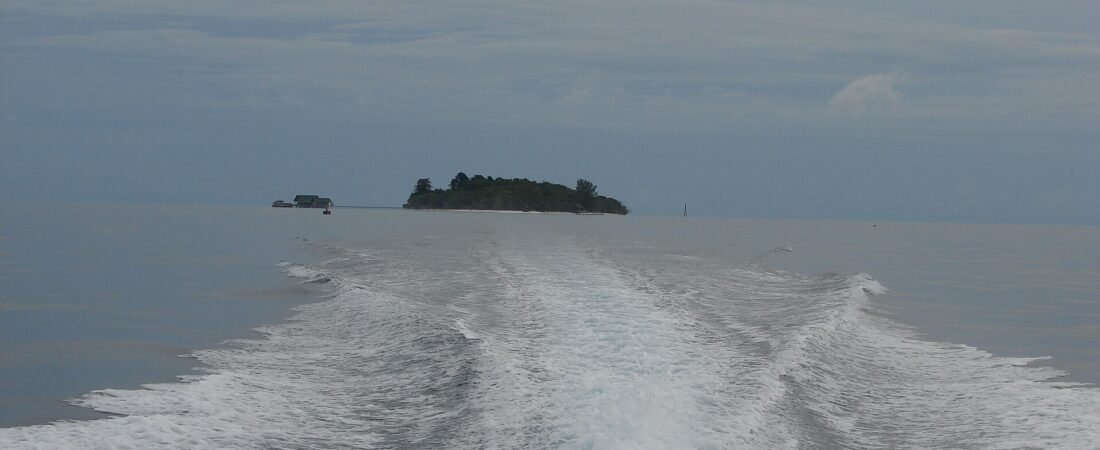
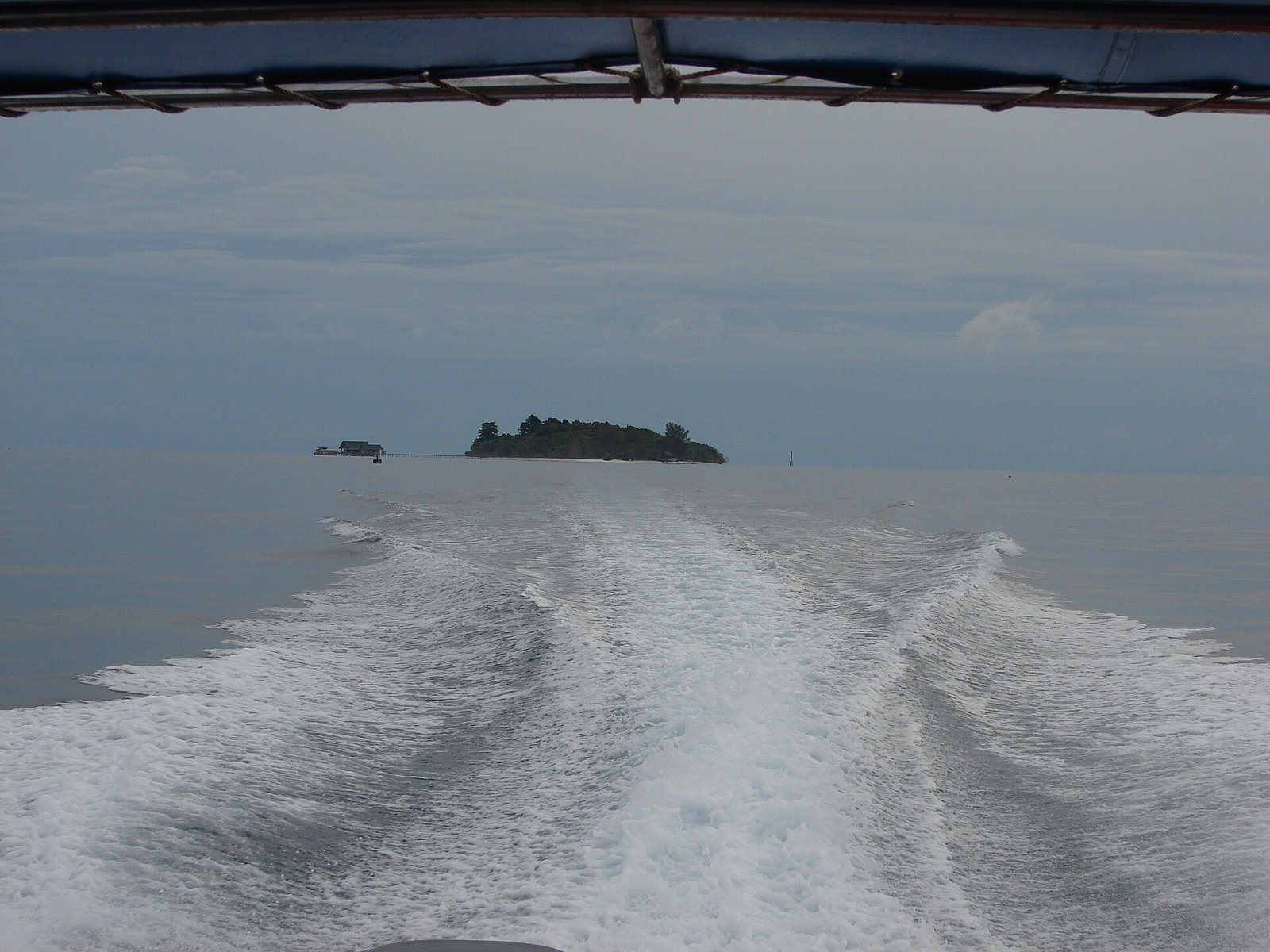
Lankayan vs Layang-Layang 2026: Which Sabah Island?
Choose Lankayan for a year-round, beach-and-turtle island that works for snorkellers and mixed couples; choose Layang-Layang for seasonal, big-animal wall diving (hammerheads in spring) if you are an experienced diver happy to trade beach time for blue water.
Sabah has more famous dive destinations — Sipadan, Mabul and Kapalai draw most of the attention — but its two most remote island resorts offer something those busy spots cannot: a whole island, or a whole atoll, shared with only a handful of other guests. Lankayan sits in the Sulu Sea off Sandakan; Layang-Layang lies far out in the South China Sea, around 300 km north-west of Kota Kinabalu.
This guide focuses on Lankayan versus Layang-Layang specifically for divers and diving couples deciding which single remote Sabah island deserves a week of their holiday. If one of you dives and the other does not, that detail alone may decide it — and we explain why below.
We have covered each island in depth elsewhere — see our Lankayan Island honeymoon guide and the Layang-Layang dive resort guide — so this article concentrates on the head-to-head decision.
Lankayan vs Layang-Layang at a Glance
| Factor | Lankayan Island | Layang-Layang |
|---|---|---|
| Location | Sulu Sea, off Sandakan (east Sabah) | South China Sea atoll, ~300 km from Kota Kinabalu |
| Getting there | Fly to Sandakan, then ~1.5-hour boat | Resort charter flight from Kota Kinabalu (~1 hour) |
| Season | Open year-round | Seasonal, roughly March to August |
| Signature marine life | Turtles, macro, wrecks, seasonal whale sharks | Hammerheads, walls, pelagics, schooling fish |
| Diving style | Relaxed, mostly shallow reefs and wrecks | Deep walls and blue-water drifts |
| Non-diver appeal | High – beach, snorkelling, turtle hatchings | Low – limited beach, diving-focused |
| Accommodation | Beachfront wooden chalets | Hotel-style rooms around a pool |
Location and Getting There
Lankayan is reached via Sandakan, which has regular domestic flights from Kota Kinabalu and Kuala Lumpur. From the Sandakan jetty, a resort speedboat takes around 90 minutes across the Sulu Sea. Transfers are typically scheduled once a day, so plan to arrive in Sandakan by late morning or overnight there.
Layang-Layang is far more remote. The atoll has an airstrip, and the resort operates its own charter flights from Kota Kinabalu, usually on set days of the week. That makes stays fixed-length packages rather than flexible bookings, and it means you will almost certainly spend a night in Kota Kinabalu either side — our Kota Kinabalu luxury hotel guide covers the best options.
Practically, Lankayan is easier to combine with wildlife lodges on the Kinabatangan River, while Layang-Layang pairs naturally with a city stay and Mount Kinabalu.
Luggage is another practical difference. Speedboats to Lankayan handle full dive bags without much fuss, whereas charter aircraft to Layang-Layang usually enforce stricter weight allowances, and excess dive gear may need to be booked in advance. Pack light, rent heavy items such as weights and tanks on site, and confirm allowances with the resort when you book.
Diving: Turtles and Macro vs Walls and Hammerheads
Lankayan lies within the Sugud Islands Marine Conservation Area, a protected zone that has allowed reefs and turtle populations to recover. Diving is relaxed: sloping reefs, a couple of wrecks, excellent macro life (frogfish, ghost pipefish, nudibranchs) and frequent turtle encounters. In spring, the area is also known for occasional whale shark sightings, though they are never guaranteed.
Layang-Layang is a classic oceanic atoll. Walls plunge to great depth just metres from the reef edge, and currents bring schools of barracuda, jacks and tuna, along with reef sharks and manta rays. Its headline attraction is schooling scalloped hammerheads, most often seen in the early part of the season, typically around March to May. Dives tend to be deeper and more demanding, and many guests come with Advanced Open Water certification or more. Check PADI for certification requirements.
Visibility also differs. Lankayan’s waters are influenced by nutrient-rich currents from the Sulu Sea, so visibility is typically moderate — ideal for macro photographers, less so for wide-angle shooters. Layang-Layang’s oceanic setting often delivers exceptional visibility, sometimes well beyond 30 metres, which is a major draw for underwater photographers chasing schooling fish against deep blue water.
Dive-day structure is another factor. Lankayan’s short boat rides mean you can dive, return for lunch on the beach and choose whether to do an afternoon or night dive. On Layang-Layang, days are built around three boat dives, with most guests logging as many as possible during a short, fixed stay. Neither approach is better; it simply depends on whether you want a dive holiday or a holiday that includes diving.
Seasons and Weather
Lankayan operates year-round. The calmest seas are generally from around March to October, while the north-east monsoon months can bring rougher crossings and reduced visibility, though the island remains accessible most of the time.
Layang-Layang is open only for part of the year, roughly March to August, because the open-ocean crossing and conditions are unsuitable during the north-east monsoon. If your holiday falls between September and February, the decision is made for you. Dates vary year to year, so confirm with the resort and with Sabah Tourism before booking flights.
Rooms, Food and Comfort
Lankayan’s accommodation is a series of wooden beachfront chalets with sea-facing verandas, set along powder-white sand. The feel is barefoot and intimate rather than glossy, with meals served in a central dining area over the water. For couples, the sunset views and nightly turtle hatchery releases are the real luxury.
Layang-Layang’s resort is more hotel-like, with rooms arranged around a swimming pool and a restaurant serving buffet-style meals. The emphasis is squarely on diving logistics: early starts, three boat dives a day and efficient briefings. Comfort is good, but this is a dive camp with a pool rather than a beach resort.
Connectivity is limited on both islands, which many guests see as a benefit. Expect slow or patchy Wi-Fi and plan to switch off. Both resorts cater for common dietary requirements if notified in advance, but the remote locations mean menus rely on what arrives by boat or plane, so variety is narrower than at mainland resorts.
Non-Divers and Mixed Couples
This is where the two islands diverge most sharply. Lankayan is genuinely pleasant for a non-diving partner: there is a sandy beach to walk around in under an hour, decent snorkelling from the shore, kayaking, and the chance to watch baby turtles being released. A non-diver could happily spend four or five days here with a stack of books.
Layang-Layang offers far less. There is little natural beach, snorkelling is limited compared with the diving, and the daily rhythm revolves around the dive boats. Unless both of you dive, Lankayan is almost always the better choice. For more beach-oriented options in the region, see our guide to Sabah’s luxury resorts.
Lankayan also has a conservation story that non-divers can engage with. Staff typically collect turtle eggs from nests on the beach and move them to a protected hatchery, and guests are often invited to watch hatchlings make their way to the sea in the evening. It is one of the most moving wildlife experiences in Borneo and requires no certification at all. Learn more about the region’s marine protection efforts through the WWF-Malaysia website.
Cost and Value
Both islands are sold mainly as full-board packages that include transfers, meals and a set number of dives. Layang-Layang’s charter flight pushes its overall price higher, and fixed package lengths limit flexibility. Lankayan generally offers more flexibility on length of stay and is easier to fit into a broader Borneo itinerary. When comparing quotes, check whether marine-park and conservation fees, equipment rental and nitrox are included.
Length of stay also affects value. Because Layang-Layang’s charter flights operate on set days, packages often run for fixed blocks of nights, which can mean paying for more nights than you need. On Lankayan, three or four nights is usually enough to enjoy the island fully, leaving budget for a wildlife lodge or a city hotel on either side.
Finally, factor in your connecting travel. Sandakan has fewer international links than Kota Kinabalu, so a Lankayan trip may require an extra domestic flight. Layang-Layang’s charter leaves from Kota Kinabalu, which has the widest flight network in Sabah, but the charter itself is a significant cost.
How They Compare to Sipadan and Mabul
Sipadan remains Sabah’s most famous dive site, but daily permits are limited and the surrounding islands are busier. Lankayan offers a quieter, more romantic alternative with gentler diving, while Layang-Layang offers big-animal action comparable to Sipadan’s best days. Our Sipadan and Mabul dive resort guide and Mabul vs Kapalai comparison cover that region if you want a third option.
A popular approach for keen divers is to combine two of these: a few nights on Lankayan for macro and turtles, followed by Sipadan for big schools of barracuda and jacks. Layang-Layang is harder to combine because of its fixed charter schedule, and most divers treat it as a standalone trip of its own.
Key Takeaways
- Pick Lankayan if one partner does not dive — it has a real beach, shore snorkelling and turtle releases.
- Pick Layang-Layang for deep walls, pelagics and spring hammerheads if you are an experienced diver.
- Layang-Layang is seasonal (roughly March–August); Lankayan is open year-round.
- Lankayan is reached via Sandakan and a 90-minute boat; Layang-Layang needs a charter flight from Kota Kinabalu.
- Compare package inclusions carefully: conservation fees, nitrox and gear rental vary.
Check Hotel Prices and Availability
Rates in Lankayan and Layang-Layang move a lot with season and holidays, so it is worth comparing live prices before you lock in dates.
See hotels in Lankayan on Booking.com
See hotels in Layang-Layang on Booking.com
LuxStay may earn a commission if you book through these links, at no extra cost to you.
Frequently Asked Questions
Is Lankayan or Layang-Layang better for beginners?
Lankayan is better for beginners thanks to its shallower, calmer reefs. Layang-Layang’s deep walls and currents suit more experienced divers.
When can you see hammerheads at Layang-Layang?
Schooling hammerheads are most often reported early in the season, typically around March to May, though sightings are never guaranteed.
Can non-divers enjoy Lankayan Island?
Yes. Lankayan has a sandy beach, shore snorkelling, kayaking and turtle hatchling releases, making it suitable for non-divers.
How do you get to Layang-Layang?
Guests fly on the resort’s charter flight from Kota Kinabalu, a journey of roughly one hour, on set days during the operating season.
Is Lankayan open all year?
Yes, Lankayan operates year-round, although sea conditions are calmest roughly between March and October.
Final Thoughts
Lankayan and Layang-Layang are both rare experiences: islands where your resort is the only one in sight. Lankayan is the romantic, all-round choice that welcomes divers and non-divers alike; Layang-Layang is the pilgrimage for serious divers chasing big animals in open ocean. Match the island to your dive experience and your travel dates, and either will be a highlight of a Borneo trip.
About the Author
This guide was researched by the LuxStay editorial team — curating luxury island and Southeast Asia stays, updated regularly with on-the-ground verification.