
Wakatobi vs Raja Ampat 2026: Which Dive Trip Wins?
Choose Wakatobi if you want effortless, resort-based diving with a private charter flight from Bali, calm house reefs and very little logistics. Choose Raja Ampat if you want the highest marine biodiversity on Earth, manta encounters and big-seascape scenery, and you are happy to trade more travel time (and often a liveaboard) for it.
Wakatobi and Raja Ampat are the two names that come up most often when experienced divers ask where to go in Indonesia. Both sit inside the Coral Triangle, both protect enormous areas of reef, and both have a small number of high-end resorts that cater to travellers who want comfort as well as great diving. Yet they deliver very different trips once you look at the details.
This guide focuses on Wakatobi versus Raja Ampat specifically for luxury-minded divers and snorkellers planning a one- to two-week trip in 2026 — people who care about reef quality, but also about transfer times, the standard of the room, and how much of the holiday is spent in airports. If you are still deciding between wider regions, our comparison of Indonesia’s main dive destinations is a good starting point.
Quick Verdict: Two Very Different Dive Holidays
Wakatobi is essentially a single, highly controlled experience. Most luxury visitors stay at one resort that runs its own charter flight from Bali, its own dive fleet and its own reef-protection programme. You land, you unpack once, and the reef is metres from your bungalow. That simplicity is the product.
Raja Ampat is a vast archipelago in West Papua made up of hundreds of islands. The diving is spread across several regions — Dampier Strait, Misool, Kri, the Fam Islands — and many of the best sites are far apart. To see the region properly, many divers combine a land resort with a liveaboard, or choose a liveaboard alone. The reward is a wider range of encounters, from manta cleaning stations to dense schooling fish and soft-coral-covered walls.
In short: Wakatobi wins on ease and consistency; Raja Ampat wins on diversity and sense of adventure.
Side-by-Side Comparison Table
| Factor | Wakatobi | Raja Ampat |
|---|---|---|
| Location | Southeast Sulawesi, Banda Sea edge | West Papua, Bird’s Head Peninsula |
| Typical access | Resort charter flight from Bali | Flights to Sorong, then boat or liveaboard |
| Best for | Relaxed resort diving, macro, house reef | Biodiversity, mantas, schooling fish, scenery |
| Current strength | Generally mild | Mild to strong, depending on site |
| Trip style | One resort, one unpack | Resort, liveaboard or a combination |
| Snorkelling | Excellent from the house reef | Very good, but site-dependent |
| Minimum sensible stay | 7 nights | 8–12 nights |
Getting There: Charter Flight vs Multi-Leg Journey
Access is the single biggest practical difference. Wakatobi’s flagship resort operates a dedicated charter flight from Bali to an airstrip close to the resort, which turns a remote destination into a comparatively smooth journey. You still need to reach Bali first and usually overnight there, because the charter runs on a fixed schedule. Our guide on how to get to Wakatobi covers flight days and connections in detail.
Raja Ampat requires a flight to Sorong, typically via Jakarta, Makassar or Manado, followed by a public or private fast boat to Waisai and then a resort transfer — or embarkation directly onto a liveaboard. Delays are common enough that most operators recommend arriving in Sorong a day early. If you are planning this leg, read getting to Raja Ampat from Jakarta before booking flights.
For couples with limited leave, this matters: Wakatobi can realistically work as a seven-night trip, while Raja Ampat rewards a longer stay to offset travel time.
Underwater: Reef Health, Biodiversity and Marine Life
Both regions sit inside the Coral Triangle and are among the richest reef systems on the planet. Raja Ampat is frequently cited as having the highest recorded diversity of reef fish and hard corals anywhere, and its sheer scale means you can move between wildly different habitats — mangrove channels, blue-water pinnacles and sheltered bays — within a single trip. You can read more about the region on the Raja Ampat Islands overview.
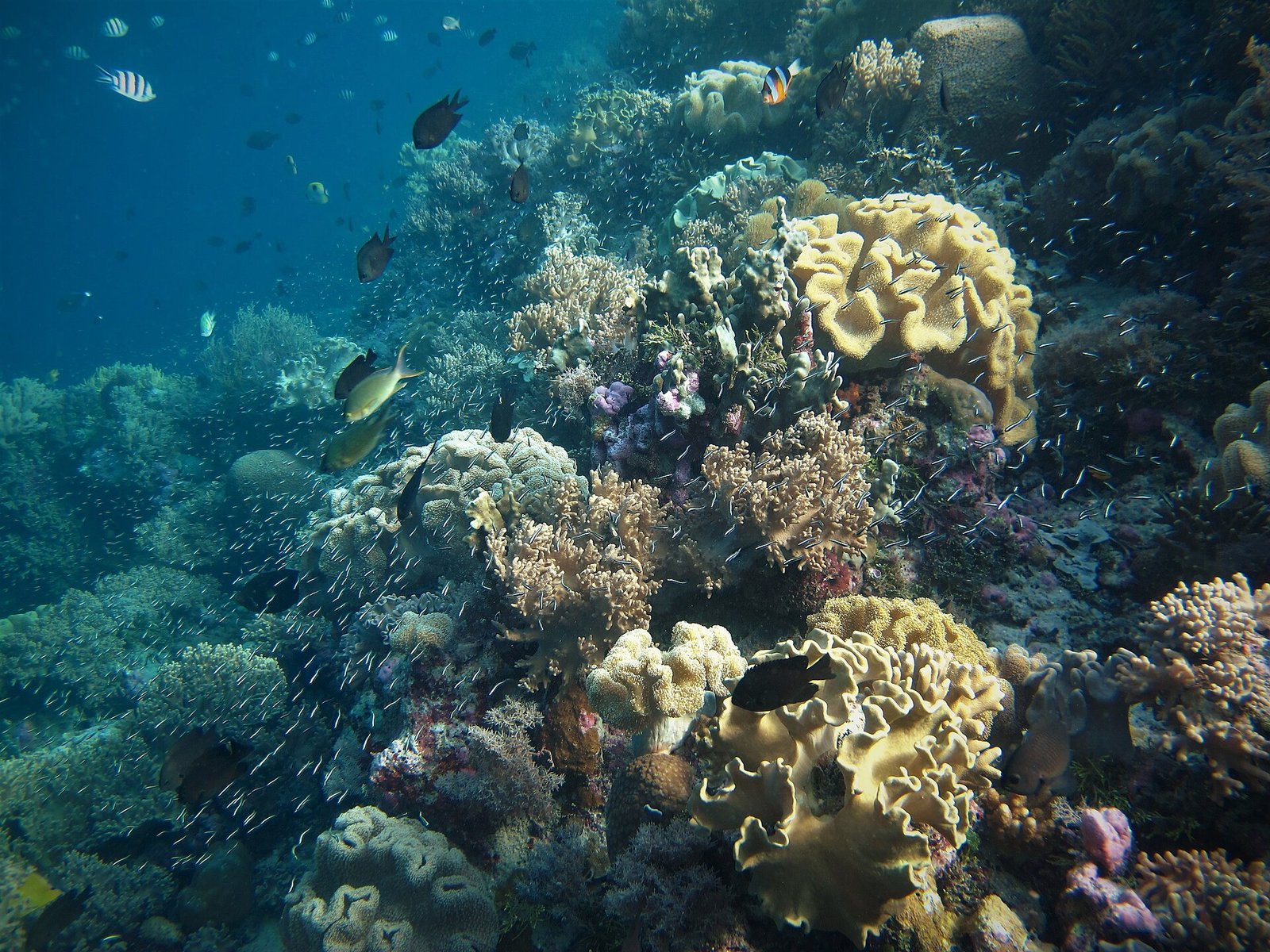
Wakatobi’s reputation rests on reef condition and consistency. The area is a national park, and the main resort has long funded a local reef-protection arrangement that pays nearby villages to keep fishing pressure off the dive sites. The result is healthy hard-coral gardens, excellent visibility on many days, and a famous house reef that you can dive or snorkel at almost any time. Background on the protected area is available on Wakatobi National Park.
Big animals vs macro
- Raja Ampat: reef mantas and oceanic mantas at known cleaning stations, wobbegong sharks, blacktip and whitetip reef sharks, huge schools of fusiliers, batfish and barracuda.
- Wakatobi: outstanding macro life — pygmy seahorses, nudibranchs, ghost pipefish — plus turtles and healthy reef fish populations, but fewer large-animal encounters.
Conditions and experience level
Wakatobi’s dive sites are dominated by sloping reefs and walls with generally gentle drift, which makes them forgiving for divers with modest logbooks and ideal for long, slow photography dives. Guides typically keep groups small, and many guests dive the house reef independently with a buddy between boat trips.
Raja Ampat ranges from calm bays to some of the most current-swept sites in Indonesia. Famous points in the Dampier Strait can run hard on tidal changes, and reef hooks are often recommended. Most operators ask for an Advanced Open Water certification, or equivalent experience, for the more demanding dives, and they will brief carefully on negative entries and drift procedures. If you are newer to diving, a resort base with flexible site selection is often a better choice than a fixed liveaboard itinerary.
Luxury Resorts and Liveaboards
At Wakatobi, the luxury experience is concentrated in one main resort with beachfront bungalows and villas, a dedicated dive operation and full-board dining. It suits travellers who want the same high standard every day. Compare options in our list of the best luxury resorts in Wakatobi.
Raja Ampat offers more variety. There are eco-luxury island resorts in the Dampier Strait and the well-known Misool resort in the south, which sits within its own protected area (see Misool’s official site for current conservation details). The region is also home to a large fleet of traditional phinisi liveaboards, from mid-range to very high-end. Our pick of Raja Ampat liveaboards and Raja Ampat dive resorts goes deeper.
Best Time to Go in 2026
Raja Ampat is diveable year-round, but most liveaboards concentrate their schedules between roughly October and April, when seas are calmer for long crossings, particularly toward Misool. July and August can bring rougher conditions on exposed routes. Our Raja Ampat seasonal guide breaks this down month by month.
Wakatobi’s resort-based diving operates throughout the year. Many repeat guests favour the months from April to December for generally settled conditions, while water temperatures can dip noticeably in the cooler mid-year months, so bring a thicker wetsuit if you are travelling then. Always check the resort’s charter calendar first, because flight days dictate your arrival and departure.
Costs and Value
Neither destination is cheap. Wakatobi is typically sold as an all-inclusive package covering the charter flight, accommodation, meals and diving, which makes budgeting predictable but places it firmly in the premium bracket. Raja Ampat has a wider spread: simple homestays and mid-range dive resorts at one end, and luxury liveaboards and private-island resorts at the other. Visitors also need the regional marine-park entry tag, so confirm the current fee before travel.
When comparing quotes, look at what is included — number of dives per day, nitrox, park fees, transfers from Sorong or Bali, and domestic flight baggage allowances for dive gear. For a wider view of resort pricing, see our guide to luxury resort costs in Southeast Asia.
Hidden extras to budget for
Factor in an overnight stay in Bali or Sorong on each side of the trip, excess-baggage charges for dive equipment on domestic flights, gratuities for dive crews, and travel insurance that explicitly covers scuba diving and medical evacuation from remote islands. These items can add a meaningful amount to the headline price, particularly in Raja Ampat where connections are longer.
Who Should Choose Which?
Choose Wakatobi if…
- You want a seamless trip with one transfer, one room and minimal logistics.
- You love macro photography and long, relaxed reef dives.
- Your partner is a snorkeller and needs an outstanding house reef.
- You have about a week of leave.
Choose Raja Ampat if…
- Seeing mantas and dense schooling fish is a priority.
- You are comfortable with currents and longer boat rides.
- You want dramatic above-water scenery, such as the limestone islets of the south.
- You have ten days or more and enjoy a sense of expedition.
Still weighing other options? Togean versus Wakatobi and Raja Ampat versus Komodo cover two other popular match-ups.
Key Takeaways
- Wakatobi is the easier trip: a resort charter from Bali, one base and a world-class house reef.
- Raja Ampat offers greater biodiversity, regular manta encounters and more varied sites, but needs more travel time.
- Allow at least seven nights for Wakatobi and eight to twelve for Raja Ampat.
- Raja Ampat liveaboards mostly run from about October to April; Wakatobi resort diving runs year-round.
- Compare package inclusions carefully — park fees, nitrox, transfers and gear allowances vary.
- Macro lovers and snorkelling partners lean Wakatobi; big-animal and current-loving divers lean Raja Ampat.
Check Hotel Prices and Availability
Rates in Wakatobi and Raja Ampat move a lot with season and holidays, so it is worth comparing live prices before you lock in dates.
See hotels in Wakatobi on Booking.com
See hotels in Raja Ampat on Booking.com
LuxStay may earn a commission if you book through these links, at no extra cost to you.
Frequently Asked Questions
Is Wakatobi or Raja Ampat better for beginners?
Wakatobi is usually better for newer divers because many sites have mild currents and the house reef allows easy, unhurried dives. Raja Ampat has many gentle sites too, but some of its signature dives involve stronger currents.
Can I combine Wakatobi and Raja Ampat in one trip?
Yes, but it requires routing back through Bali and then flying to Sorong, so allow at least two weeks to make the extra travel worthwhile.
Do I need a liveaboard to see Raja Ampat?
No. Resorts in the Dampier Strait and Misool give access to excellent sites, but a liveaboard covers more of the archipelago, especially remote southern areas.
Is Wakatobi good for snorkellers?
Very good. The main resort’s house reef is one of the most praised in Indonesia, and snorkel boats visit shallow reef tops as well.
Which destination has better chances of seeing manta rays?
Raja Ampat. It has several well-known manta cleaning stations, while mantas are not a regular feature of Wakatobi diving.
Final Thoughts
Both destinations deserve their reputations, and there is no wrong answer — only the wrong match for your trip length and diving style. If time and ease matter most, Wakatobi delivers a polished, reef-rich week. If you want the full range of Coral Triangle life and do not mind the journey, Raja Ampat is the richer adventure. Check current schedules, park fees and package inclusions directly with your chosen operator before booking.
About the Author
This guide was researched by the LuxStay editorial team — curating luxury island and Southeast Asia stays, updated regularly with on-the-ground verification.